Skip to content
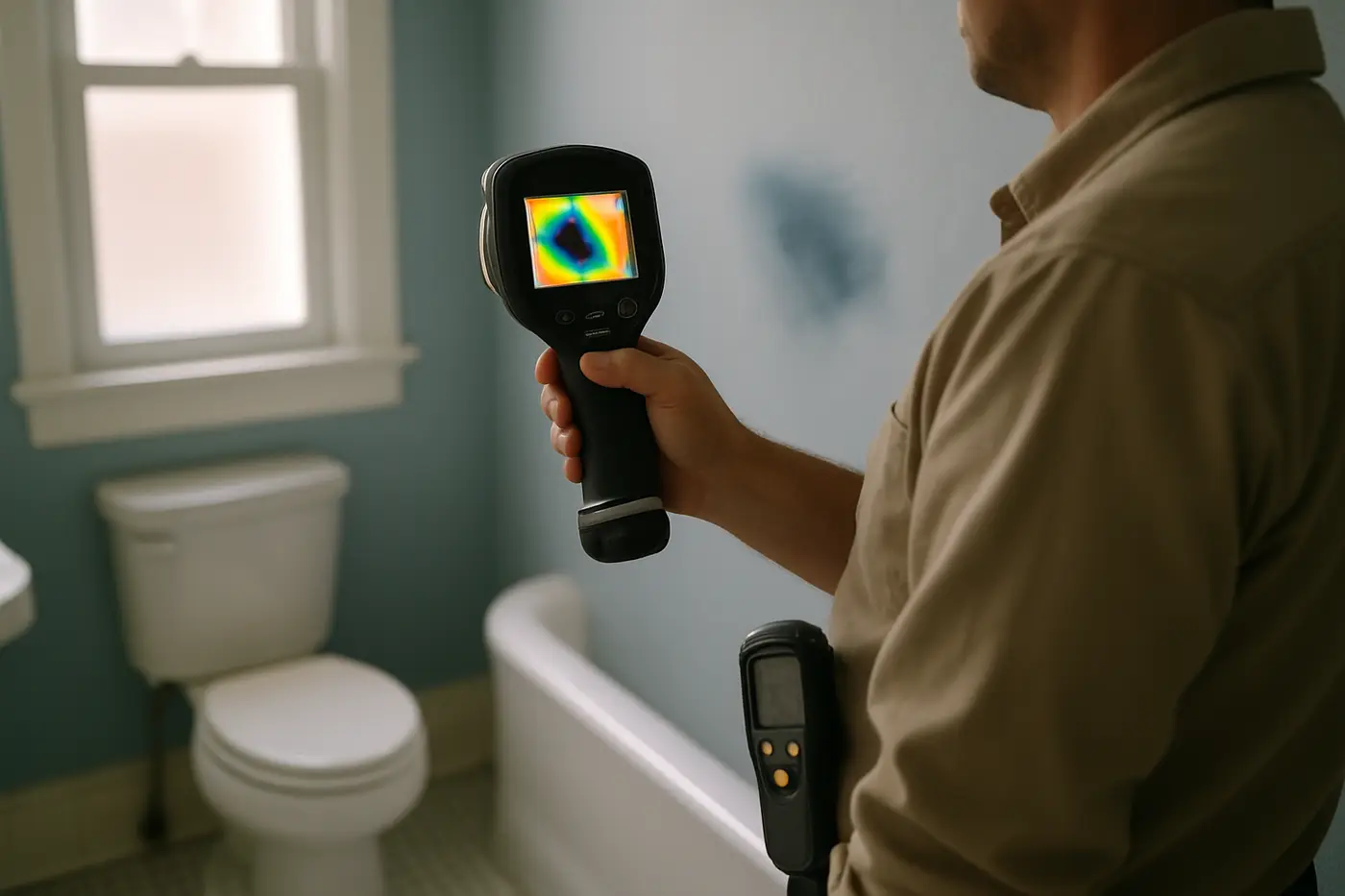
Inspector using a thermal camera and moisture meter on a bathroom wall in a Philadelphia rowhome

Mold remediation · Philadelphia, PA

Mold Inspection & Testing Philadelphia

A scheduled visual inspection with a written estimate is free. An inspection with moisture mapping, thermal imaging and a written report is $250 to $500, credited against remediation. Lab sampling through an independent laboratory only when it changes the decision.

  • 24/7 Response
  • IICRC S520
  • Written Scope
  • Clearance Testing
  • Homes & Business

Request Mold Inspection & Testing Help

US format - we will call or text you back right away.
Add brief description (optional)
How urgent?

Written scope and price before work starts. Independent clearance testing available. No obligation. Privacy.

What's included

Everything the job needs, scoped from the first visit.

Every mold inspection & testing job in Philadelphia includes the work below as standard. It is written into the scope before we start, so there are no surprise extras when the invoice arrives.

  • Visual inspection of the roof deck, windows, bathrooms, plumbing walls and the full basement
  • Moisture mapping of walls, floors and framing with pin and non-invasive meters, drawn on a floor plan
  • Thermal imaging to locate wet material behind plaster and drywall, confirmed with a meter
  • Relative humidity and dew point readings in the basement, living space and outdoors
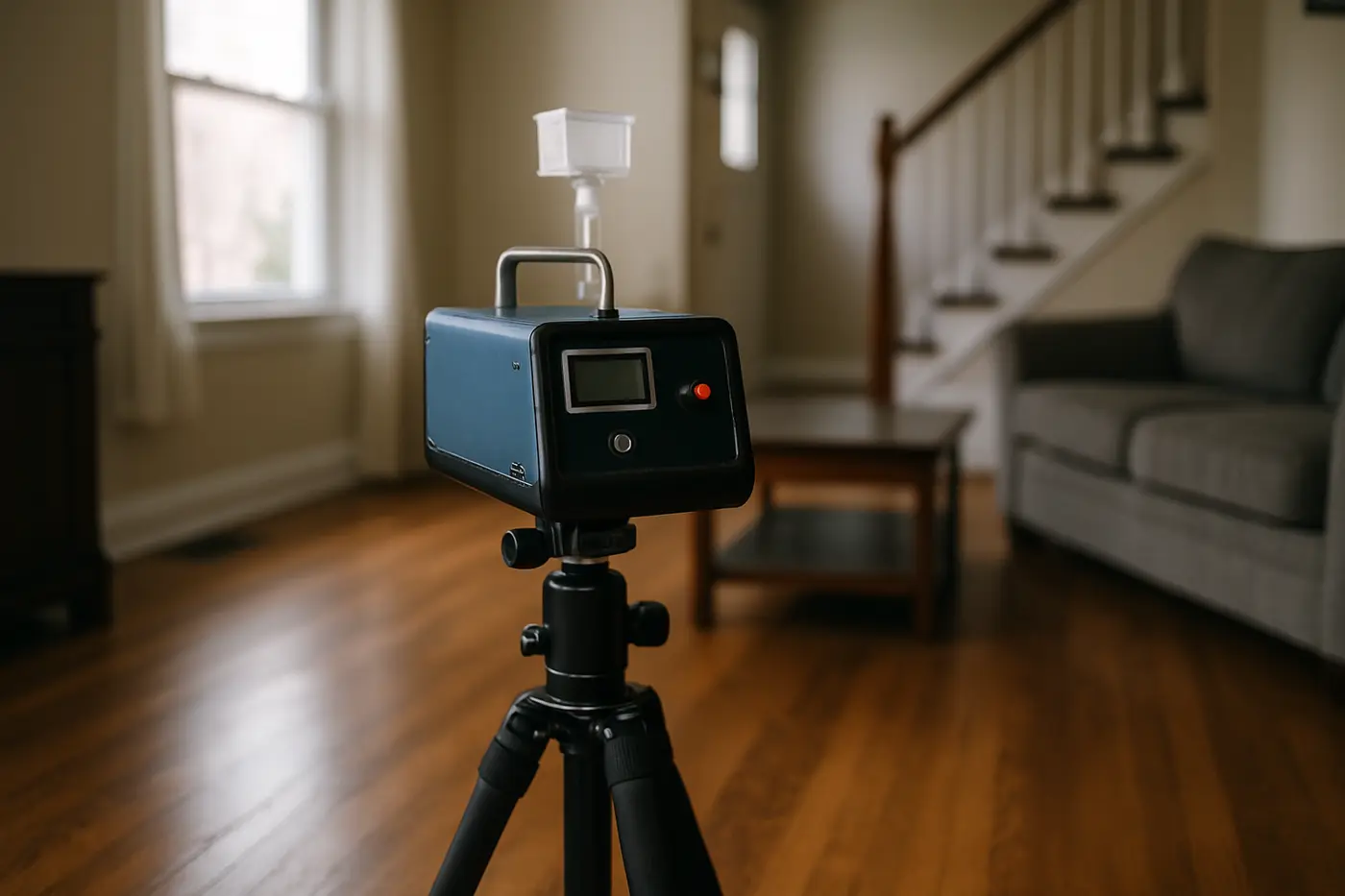
  • Air, surface or bulk sampling sent to an independent accredited laboratory when it is warranted
  • Written report with photos, readings, probable source and a scope of work any contractor can price
  • Referral to a third-party hygienist for post-remediation clearance testing
Inspector using a thermal camera and moisture meter on a bathroom wall in a Philadelphia rowhome

Not sure it is a problem?

Send a few photos with the form. A coordinator will tell you whether it is a wipe-down you can do yourself or something that needs containment.

When to call

Signs you need mold inspection & testing.

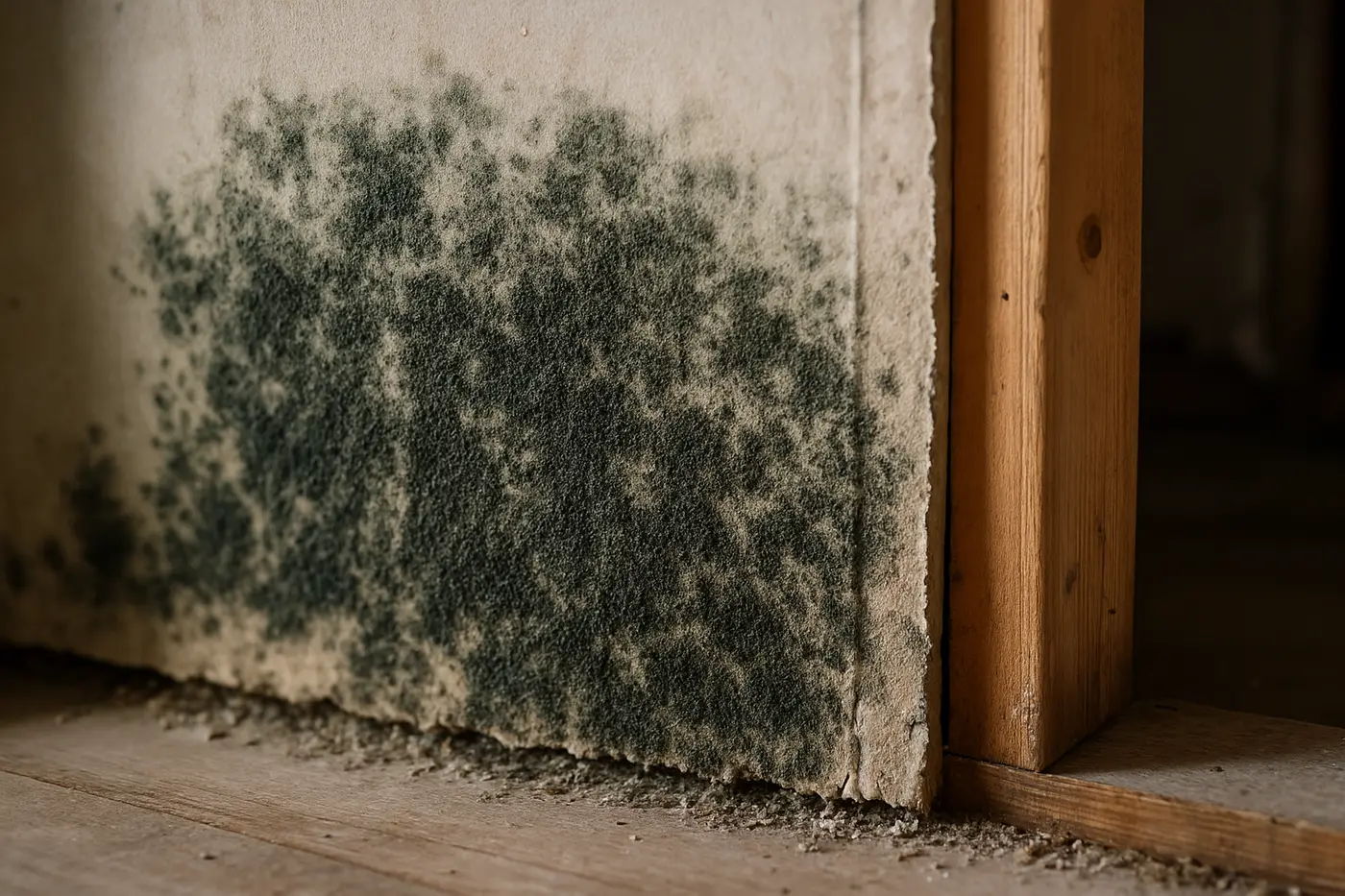
Mold grows on the side of the material you cannot see first, so the visible spot is nearly always smaller than the problem. Any of the following is worth a call this week.

  • A musty smell you cannot trace to a visible stain
  • A general home inspector flagged moisture or mold and you are buying or selling a rowhome
  • A tenant or landlord dispute about dampness that needs readings on paper
  • Allergy or asthma symptoms at home that improve when you are away
  • A stain on a party wall or ceiling and you do not know whose leak it is
  • A leak that was dried with a box fan and you want to know if the wall is actually dry
  • Remediation was done and you need independent clearance before rebuilding

Our process

How mold inspection & testing runs, step by step.

From the first call to the final moisture reading, you will know what is happening, why, and what your insurer, landlord or buyer will need at each stage.

  1. Step 1: Walk the house and ask questions

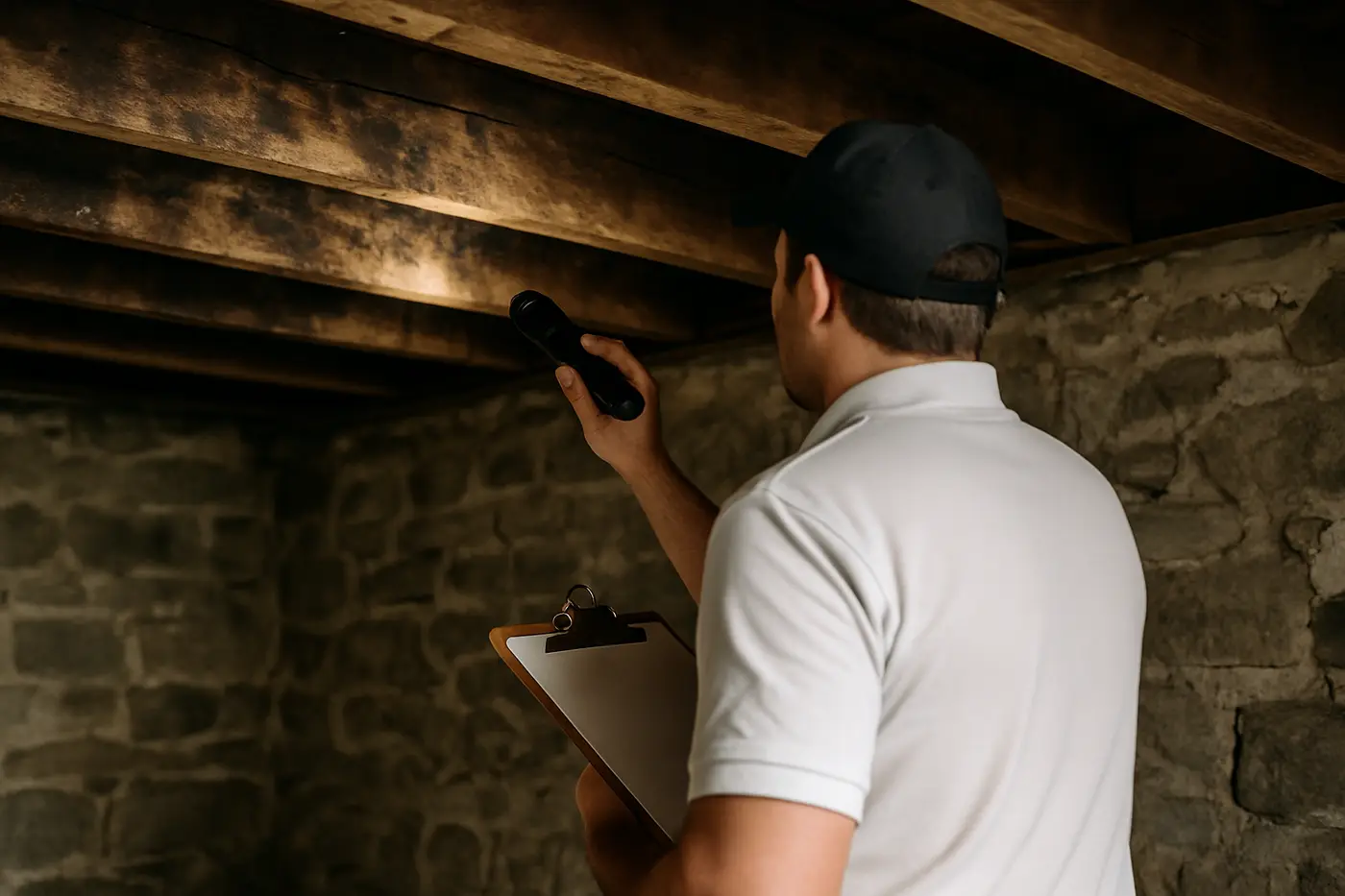
    We start with the history: leaks, roof work, backups, when the smell started, who has symptoms. Then a visual pass through the top-floor closets under the roof, every window head, the bathrooms, the kitchen sink base, the plumbing stack and the full basement including joists and foundation walls.

  2. Step 2: Map the moisture

    Walls, floors and framing are metered and the readings are drawn on a floor plan. Thermal imaging finds cold, wet areas behind plaster and drywall, and every cold spot is confirmed with a meter. Humidity and dew point are logged in the basement, living space and outside.

  3. Step 3: Sample only if it changes the decision

    If growth is visible and the source is clear, we do not sample. If mold is hidden, a physician wants documentation, or a buyer, landlord or association disputes the scope, we take air, surface or bulk samples and send them to an independent accredited laboratory.

  4. Step 4: Deliver a report you can use

    Photos, the moisture map, humidity readings, lab results where taken, the probable water source, what needs to dry and what needs to come out, and a written estimate. The $250 to $500 inspection fee is credited against remediation if you hire us.

Price guide · USD, 2026

What mold inspection & testing costs in Philadelphia.

Ranges from typical Philadelphia jobs. The final quote is given on site after moisture mapping, in writing, before any work starts. Insurance direct billing where the carrier approves.

ItemTypical range
Scheduled visual inspection and written estimate A technician looks at the area, checks the obvious moisture sources and writes an estimateFree
Inspection with moisture mapping and written report Moisture map, thermal imaging, humidity readings and a report; credited against remediation$250-$500
Air or surface sampling by an independent lab Typical set of 3 to 5 samples runs $300 to $700 including lab fees$75-$150 per sample
Post-remediation verification (independent clearance) Third-party hygienist samples inside and outside the containment before rebuild$300-$700
Small contained area remediation If the inspection finds a small area under 10 sq ft that needs contained removal$500-$1,500

Ranges cover labor, containment, equipment and disposal for 2026. The number you approve on the written scope is the number you pay; if the scope changes once walls are opened, we stop and re-quote in writing.

Full Price Guide

In depth

Mold Inspection & Testing in Philadelphia: how the job actually runs.

Most calls about mold in Philadelphia start with the same question: “Do I need to test it?” Usually not. If you can see growth or smell it, the EPA’s guidance is that sampling is generally unnecessary; the job is to find the water and remove the growth. What most homeowners actually need is an inspection: a trained look at the house, moisture readings in the walls and floors, and a written scope of what is wet, what is growing and why. Testing is a tool we add when it changes a decision, and an independent laboratory reads the samples, not us.

Inspection and testing are not the same thing

A mold inspection is a physical examination of the building. The inspector looks, smells, meters and measures, then writes down where moisture is entering and what it has done. Mold testing is sampling: air, surface or bulk samples sent to a laboratory for analysis. Testing without an inspection gives you a number with no location. An inspection without testing gives you the location and the fix, which is what most Philadelphia homeowners are paying for. Our post on mold inspection vs mold testing goes deeper.

What a mold inspection covers in a Philadelphia rowhome

A rowhome has a short list of places water gets in, and an inspection works through all of them.

Visual inspection. The roof and parapets from the hatch where there is one, the top-floor closets under the roof deck, every window and bay-window head, tub surrounds and sink cabinets, the plumbing stack, and the full basement including the first-floor joists and the foundation walls.

Moisture mapping. We meter walls, floors and framing with a pin meter for wood and a non-invasive meter for plaster, drywall and masonry, and record the readings on a floor plan. The map shows the wet area’s shape, which usually points at the source: a vertical stripe down a party wall means a roof or plumbing leak next door; a horizontal band along the bottom of a basement wall means seepage or wicking through the slab.

Thermal imaging. An infrared camera shows the temperature differences that evaporation and wet material create behind plaster and drywall. It does not see mold or water directly, so every cold spot is confirmed with a moisture meter before it goes in the report.

Relative humidity and dew point. Basement air in an unconditioned Philadelphia rowhome sits above 60 percent relative humidity all summer, and July and August dew points of 65 to 75 degrees F condense on cool stone. Readings in the basement, on the first floor and outside tell us whether the mold has a humidity source rather than a leak.

Written report. Photos, the moisture map, humidity readings, the probable source, what needs to be removed and what needs to be dried, and a written estimate for mold remediation if it is needed. The inspection fee is credited against that work.

When sampling is worth it and when it is not

There is no federal standard for an acceptable airborne mold level. A lab report tells you which genera were in the air on the day of the sample and roughly how many spores per cubic meter, compared to an outdoor sample. It does not tell you whether the wall is wet, where the water is coming from or what to remove. That is why we do not sell testing as the first step.

Sampling earns its fee in these situations:

  • Mold is suspected from odor or symptoms but nothing is visible, and the sample helps decide whether to open a wall.
  • A physician has asked for documentation of what someone with asthma, allergies or a weakened immune system is being exposed to.
  • A landlord, tenant, buyer, seller or condo association disputes whether there is a problem or how big it is.
  • A property is being sold and the buyer’s inspector flagged mold; see mold found during a Philadelphia home inspection.
  • Post-remediation verification, comparing air inside the containment against outside air before the containment comes down.

Sampling is not worth it when growth is visible and the source is obvious, when the area is under about 10 square feet and the moisture has been fixed, or when the only question is whether it is “black mold.” Any mold is treated the same way under IICRC S520; see black mold removal for why.

Types of samples and what they tell you

Sample typeWhat it showsWhen we use itCost
Air (spore trap)Spore count and genera in the air, compared to an outdoor baselineHidden mold, health documentation, clearance testing$75-$150 per sample
Surface (tape or swab)Whether a visible stain is mold and what typeDisputes over a stain, pre-sale questions$75-$150 per sample
Bulk materialGrowth inside a piece of drywall, insulation or carpetConfirming contamination before a large removal$75-$150 per sample
Post-remediation clearance setInside versus outside the containment, plus surfacesVerification before rebuild, insurance or landlord sign-off$300-$700

A typical set is three to five samples, so $300 to $700 including the lab fee.

Independent lab and third-party clearance

The samples we take go to an independent accredited laboratory, and for post-remediation clearance we recommend a third-party hygienist rather than the company that did the work. The person who decides whether the job passed should not be the person who gets paid for it. Pennsylvania has no statewide mold license, so this separation, plus the written report, is the closest thing to a guarantee a homeowner has. When a hygienist clears our work, that report is yours to give to an adjuster, a landlord, a buyer or a condo board.

Free visual inspection or mapped inspection: which one you need

We offer two levels.

  • Scheduled visual inspection and written estimate: free. A technician looks at the area you are worried about, checks the obvious moisture sources, and writes an estimate for remediation if growth is visible. This is the right choice when you can see mold and want a price.
  • Inspection with moisture mapping and written report: $250 to $500. The full process above, with the moisture map, thermal imaging, humidity readings and a report you can use with an insurer, a landlord, L&I or a buyer. Credited against remediation if you hire us. This is the right choice when you smell mold but cannot find it, when you are buying or selling, or when someone else needs to be convinced.

Philadelphia situations where an inspection pays for itself

  • Buying a rowhome. A general home inspector notes “evidence of moisture in basement” and the seller says it has always been dry. A moisture map settles it before closing, and Pennsylvania’s Seller Disclosure Law requires sellers to disclose known material defects, including water intrusion and mold history.
  • Renting in University City or Northern Liberties. A tenant with a recurring musty smell and a landlord who says it is fine. A written report with readings gives both sides something concrete, and tenants can report persistent dampness through 311 to L&I. Read mold in a Philadelphia rental.
  • A party-wall stain in Rittenhouse Square or Chestnut Hill. The moisture map shows whether the source is your roof, your plumbing or the neighbor’s, which decides who pays for the fix.
  • After a leak that was “dried.” A box fan for a weekend does not dry plaster on brick. Readings show whether the wall reached dry standard or is still feeding growth. If it is still wet, water damage restoration comes first.

What the report is used for

The report is written for people who were not in the house: an adjuster who wants dated photos and moisture readings, a landlord or association that needs one document covering every affected unit, or a buyer’s attorney. It includes a scope of work with removal areas marked, so any contractor can price from it. If it leads to basement or room remediation, the same hygienist can return for clearance.

What drives the cost of a mold inspection

A scheduled visual inspection with a written estimate is free. An inspection with moisture mapping and a written report is $250 to $500 depending on the size of the house and the number of areas, credited against remediation. Independent lab sampling is $75 to $150 per sample, typically $300 to $700 for a set, and independent post-remediation verification is $300 to $700. See the pricing page for the full table. If you are not sure which you need, call us or send the form, describe what you see and smell, and we will tell you honestly whether testing will change anything.

Last updated September 11, 2026
Common questions

Mold Inspection & Testing, explained.

Straight answers about health risk, testing, timelines, insurance and what to expect from mold inspection & testing in Philadelphia.

All questions
Is a mold inspection in Philadelphia free?

A scheduled visual inspection with a written estimate is free. A technician looks at the area you are worried about, checks the obvious moisture sources and gives you a price for remediation if growth is visible. An inspection with moisture mapping, thermal imaging, humidity readings and a written report is $250 to $500 and is credited against remediation if you hire us. The mapped inspection is the one you want if you cannot find the mold, if you are buying or selling, or if someone else needs to see readings on paper.

What is the difference between mold inspection and mold testing?

An inspection is a physical examination of the building: looking, smelling, metering walls and floors, imaging with an infrared camera and writing down where moisture enters and what it has done. Testing is sampling: air, surface or bulk samples sent to a laboratory. Testing without an inspection gives you a number with no location. An inspection without testing gives you the location, the source and the fix, which is what most homeowners actually need. We add sampling only when it changes a decision, and an independent lab reads it.

Do I need mold testing if I can already see mold?

Usually not. The EPA's guidance is that if you can see or smell mold, sampling is generally unnecessary, because the answer is the same regardless of species: fix the moisture and remove the growth. Any mold is treated the same way under the IICRC S520 standard. Testing is useful when growth is suspected but hidden, when a doctor wants documentation, when a landlord, tenant, buyer or condo association disputes the scope, or for clearance after remediation. In those cases we recommend an independent hygienist so the tester has no stake in the result.

How much does mold testing cost in Philadelphia?

Air or surface sampling by an independent laboratory is $75 to $150 per sample. A meaningful set is usually three to five samples, including an outdoor baseline for comparison, so $300 to $700 in total. Post-remediation verification by a third-party hygienist is $300 to $700. Sampling is charged on top of the inspection fee because the lab charges per sample. We will tell you before the visit whether we think sampling is worth it for your situation, and we do not sell it as a required first step.

Who does the clearance testing after remediation?

We recommend a third-party hygienist, not the company that did the remediation. The person who decides whether a job passed should not be the person who gets paid for the job. Clearance compares air samples inside the containment against outdoor air and includes a visual check for dust and growth and moisture readings against dry standard. Pennsylvania has no statewide mold license, so an independent clearance report plus a written scope is the closest thing to a guarantee a Philadelphia homeowner has, and it is what adjusters, landlords and buyers want to see.

Can a mold inspection find mold behind walls?

Often, yes, without opening the wall. A non-invasive moisture meter reads through plaster and drywall, and an infrared camera shows the cooler pattern that evaporating water leaves behind a surface. Together they outline the wet area, and its shape usually points to the source: a vertical stripe down a party wall means a roof or plumbing leak next door, a horizontal band at the base of a basement wall means seepage. If the readings are ambiguous, an air sample or a small inspection hole settles whether the cavity needs to be opened.

Is there a safe level of mold in the air?

There is no federal standard for an acceptable airborne mold level, so no lab can tell you a number below which a house is safe. Air samples are read by comparison: the genera and spore counts inside are compared to an outdoor sample taken at the same time. Indoor counts well above outdoor counts, or genera indoors that are absent outdoors, point to a source inside the house. That is useful for finding hidden growth and for clearance, but it never replaces fixing the moisture and removing the material that grew.

Do I need a mold inspection before buying a Philadelphia rowhome?

If the general home inspector noted moisture, a musty basement or staining on a party wall, yes. A mapped inspection with a written report costs $250 to $500 and tells you whether the stone foundation is seeping, whether the flat roof is leaking and roughly what remediation would cost, before you close. Pennsylvania's Seller Disclosure Law requires sellers to disclose known material defects, including water intrusion and mold history, but a disclosure form is only as good as what the seller knew. Readings on paper are better than a promise that the basement has always been dry.

Related services

Mold rarely stays in one lane. These are the services most often scoped on the same job.

All Services
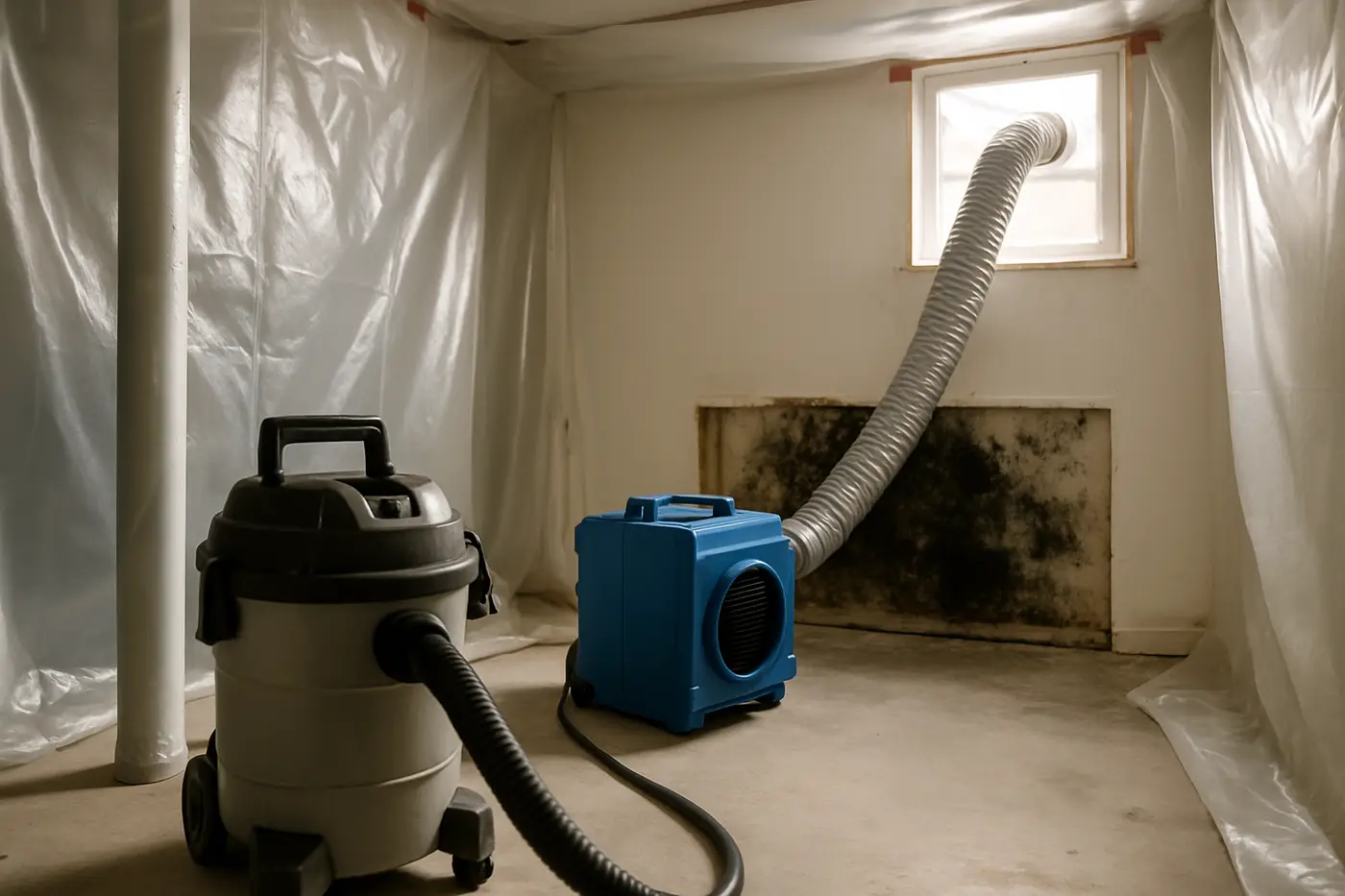
  • Sealed containment with a negative air machine and mold on the lower wall of a Philadelphia basement
    01

    Mold Remediation

    Mold remediation and removal for Philadelphia rowhomes and basements to the IICRC S520 standard: moisture correction, containment, negative air and HEPA cleaning.

    Learn More
  • Dark mold growth on wet drywall behind a removed baseboard in a Philadelphia home
    02

    Black Mold Removal

    Black mold removal in Philadelphia homes: what Stachybotrys is, why color does not change the protocol, and how contained IICRC S520 remediation clears heavy growth.

    Learn More
  • Technician in protective gear removing mold-damaged drywall in a Philadelphia rowhome bedroom
    03

    Residential Mold Remediation

    Residential mold remediation in Philadelphia for homeowners, landlords, tenants, buyers and sellers. Rowhomes, twins, trinities and apartments, IICRC S520 standard.

    Learn More

Helpful reading

Guides that go with this service.

Practical, Philadelphia-specific reading on hidden mold, basements, testing, insurance and humidity.

Mold Inspection & Testing · Philadelphia, PA

Let's take the next step toward a dry, healthy property.

Tell us what you see or smell, where it is and whether anything is still wet. A remediation coordinator will explain what to do next and what your adjuster will need.

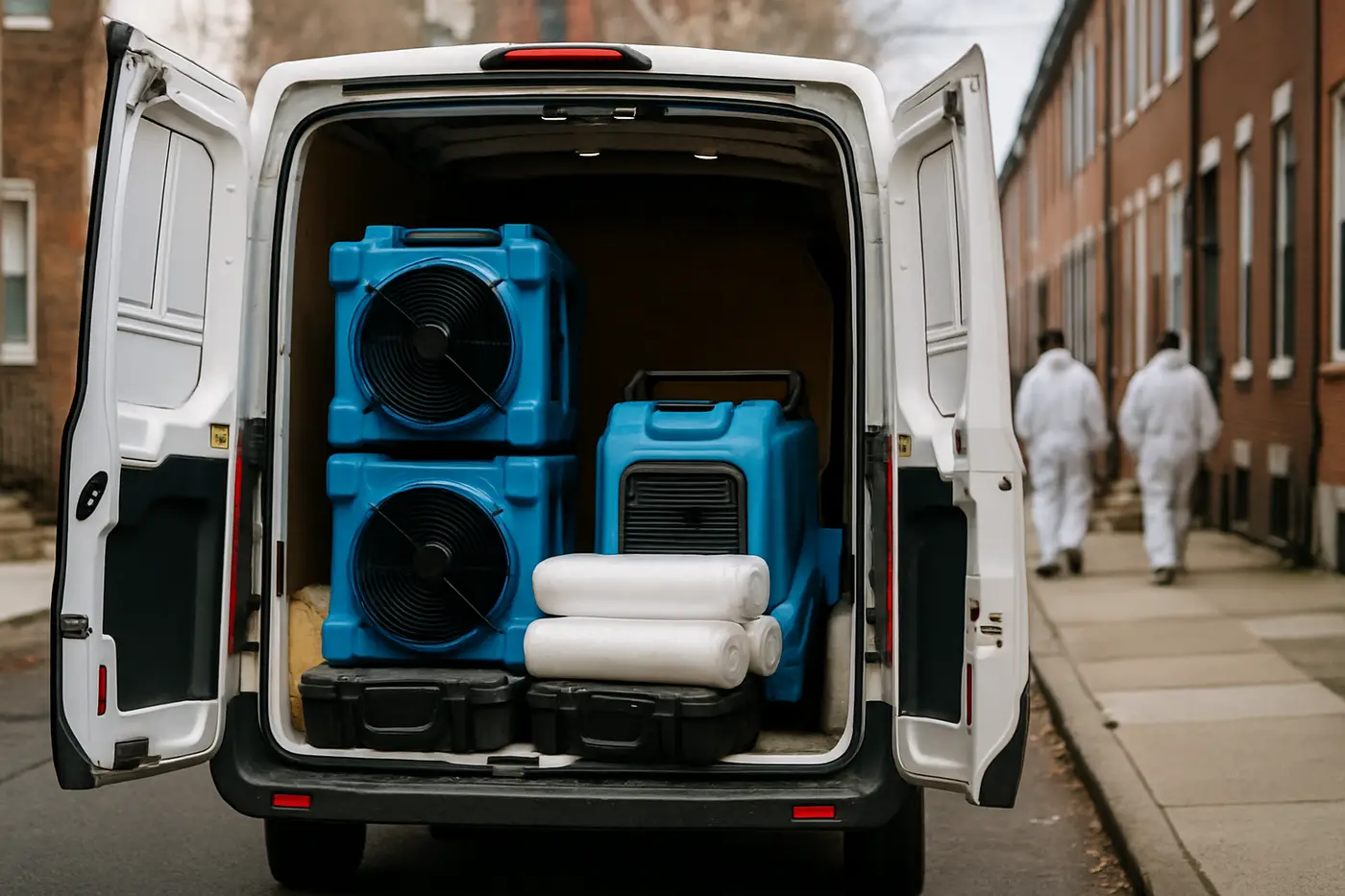
Mold remediation crew loading HEPA air scrubbers and dehumidifiers into a work van on a Philadelphia street