Skip to content
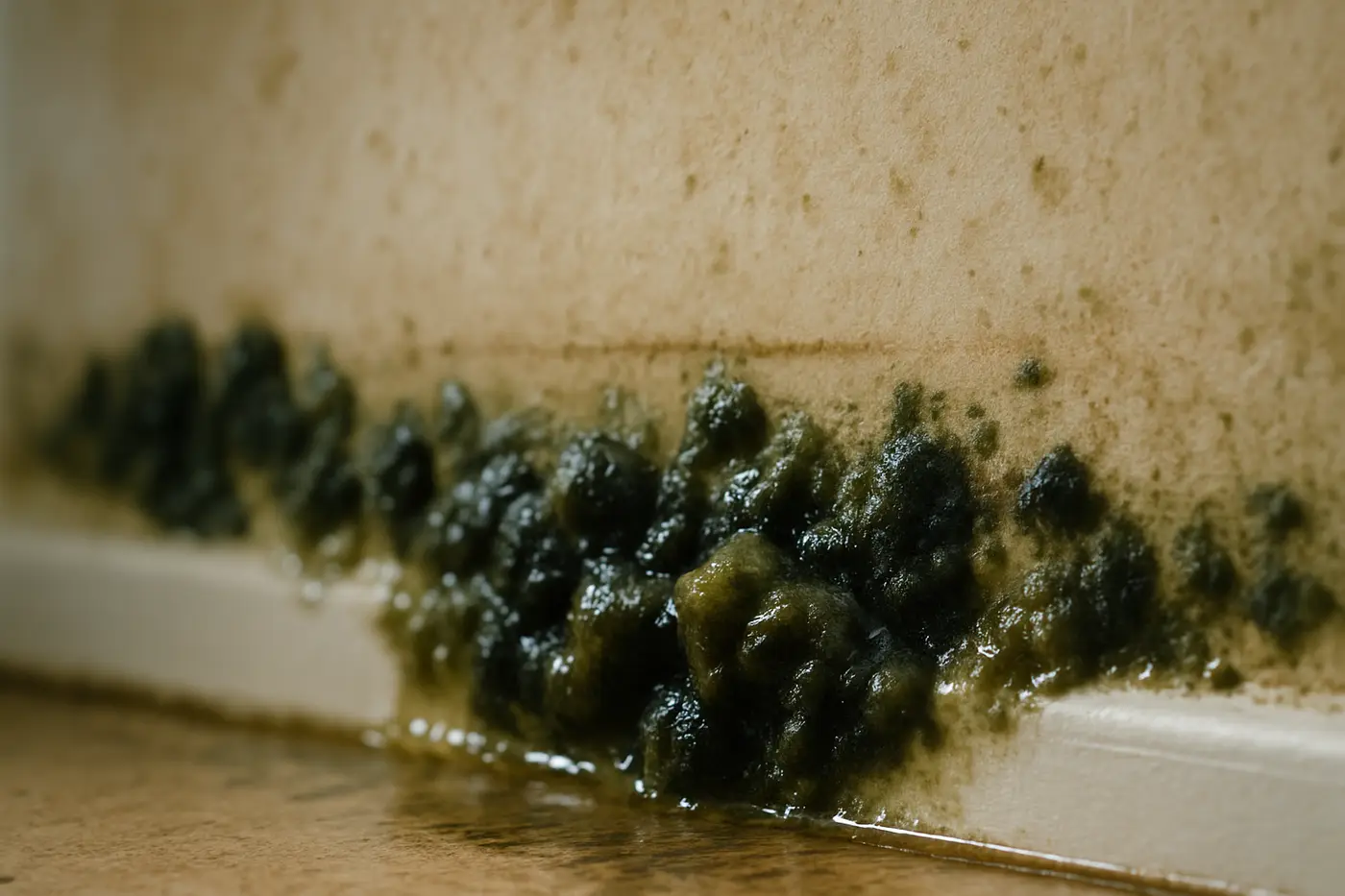
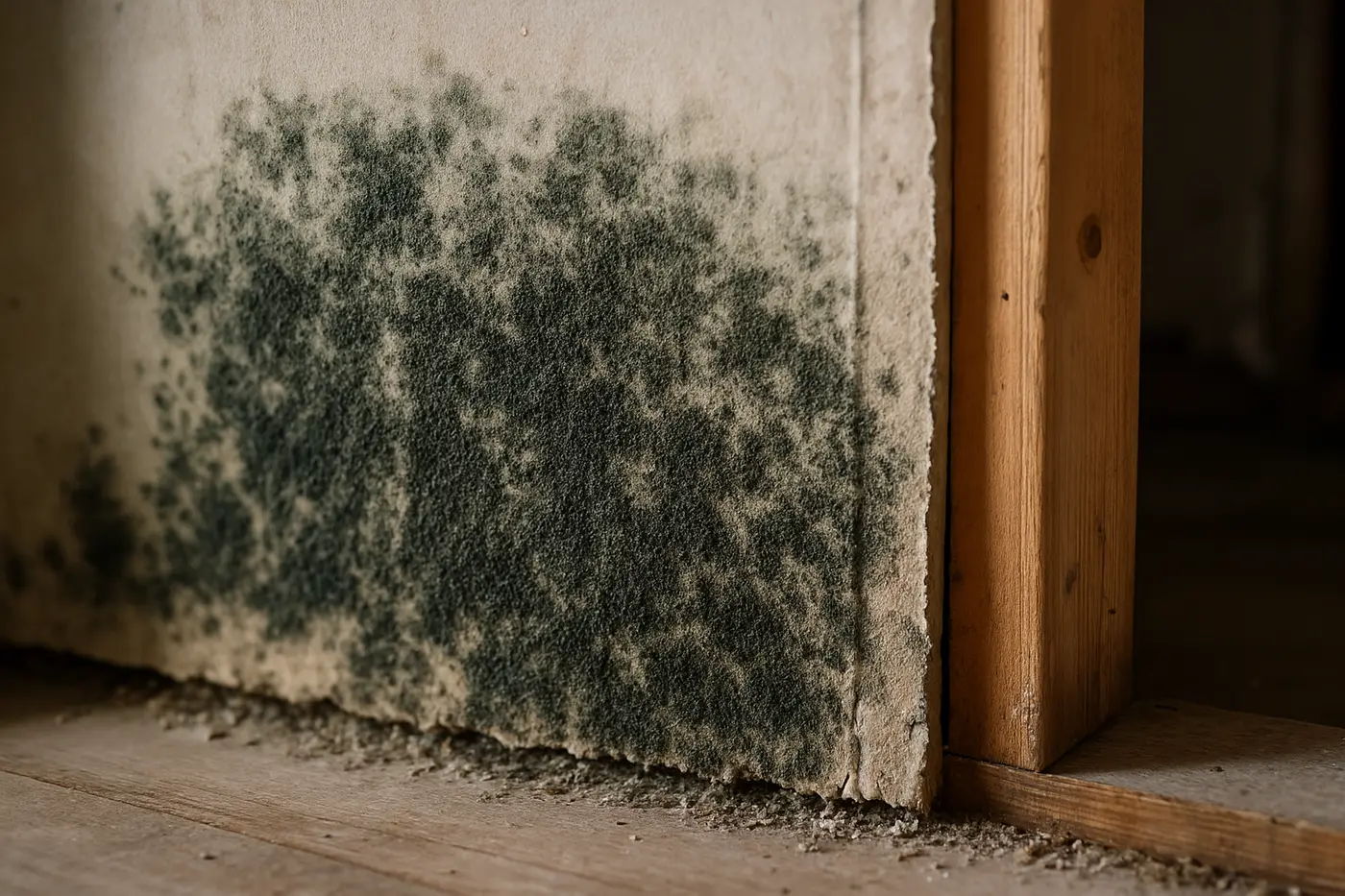
Dark mold growth on wet drywall behind a removed baseboard in a Philadelphia home

Mold remediation · Philadelphia, PA

Black Mold Removal Philadelphia

Dark growth on a basement wall, a bedroom ceiling under a flat roof or a party wall that never dried. Black mold is removed under full containment, negative air and PPE to the IICRC S520 standard, with the water source fixed first, across Philadelphia and the surrounding area.

  • 24/7 Response
  • IICRC S520
  • Written Scope
  • Clearance Testing
  • Homes & Business

Request Black Mold Removal Help

US format - we will call or text you back right away.
Add brief description (optional)
How urgent?

Written scope and price before work starts. Independent clearance testing available. No obligation. Privacy.

What's included

Everything the job needs, scoped from the first visit.

Every black mold removal job in Philadelphia includes the work below as standard. It is written into the scope before we start, so there are no surprise extras when the invoice arrives.

  • Moisture inspection to find the constantly wet material that black mold needs to grow
  • Full containment with 6-mil poly, zippered entry and sealed HVAC registers
  • Negative air with HEPA-filtered air scrubbers running from setup to clearance
  • Crew in P100 respirators, nitrile gloves, eye protection and disposable coveralls
  • Wet removal and bagged disposal of drywall, plaster, insulation, carpet and cardboard with growth
  • HEPA vacuuming, damp wiping, abrading and antimicrobial treatment of joists, brick and stone
  • Structural drying and independent clearance sampling before the containment comes down
Dark mold growth on wet drywall behind a removed baseboard in a Philadelphia home

Not sure it is a problem?

Send a few photos with the form. A coordinator will tell you whether it is a wipe-down you can do yourself or something that needs containment.

When to call

Signs you need black mold removal.

Mold grows on the side of the material you cannot see first, so the visible spot is nearly always smaller than the problem. Any of the following is worth a call this week.

  • Dark green or black growth on drywall, plaster or a ceiling that has been stained for months
  • A slimy or powdery black patch on basement drywall near the floor
  • Mold on a party wall that appeared after a neighbor's roof or plumbing leak
  • A basement that took sewer water in a storm and was never fully cleared out
  • A bathroom ceiling that stays black no matter how often it is wiped
  • Someone in the house with asthma, allergies or a weakened immune system reacting at home
  • Growth covering more than about 10 square feet, or growth inside ductwork

Our process

How black mold removal runs, step by step.

From the first call to the final moisture reading, you will know what is happening, why, and what your insurer, landlord or buyer will need at each stage.

  1. Step 1: Inspect and stop the water

    Stachybotrys needs cellulose that stays wet, so we find the leak, seepage or backup that kept it wet: a flat-roof seam, a party-wall leak, a stone foundation or a floor drain. We meter the walls and joists and map how far the moisture spread beyond the visible growth.

  2. Step 2: Build containment before touching anything

    The area is sealed with 6-mil poly sheeting and a zippered entry, registers are sealed and HEPA-filtered air scrubbers put the space under negative pressure. Heavy growth releases the most spores at the moment it is disturbed, so nothing is touched until the containment is running.

  3. Step 3: Remove wet, clean the structure

    Affected material is misted to keep dust down, cut out and bagged inside the containment. Nothing is dry-scraped or sanded. Joists, studs, brick and stone are HEPA vacuumed, damp wiped, abraded where growth has penetrated and treated with an antimicrobial, then dried to standard.

  4. Step 4: Clear and hand over

    A visual and moisture check comes first. Where you want it, an independent hygienist samples inside and outside the containment before it comes down. You receive dated photos, moisture logs, a written scope and the clearance report for your insurer, landlord or buyer.

Price guide · USD, 2026

What black mold removal costs in Philadelphia.

Ranges from typical Philadelphia jobs. The final quote is given on site after moisture mapping, in writing, before any work starts. Insurance direct billing where the carrier approves.

ItemTypical range
Black mold removal (heavy growth or Category 3 water, contained) Full containment, negative air, PPE, wet removal, cleaning and drying$2,500-$10,000
Single room contained remediation Lighter growth in one bathroom, bedroom wall or kitchen$1,500-$4,000
Small contained area (under 10 sq ft) A bathroom ceiling, closet corner or window$500-$1,500
Surface or air sampling by an independent lab Only if a physician, landlord or buyer needs the species identified$75-$150 per sample
Post-remediation verification Independent clearance testing by a third-party hygienist$300-$700
Contents pack-out, cleaning and storage Furniture and belongings moved, cleaned and held during the work$1,000-$5,000

Ranges cover labor, containment, equipment and disposal for 2026. The number you approve on the written scope is the number you pay; if the scope changes once walls are opened, we stop and re-quote in writing.

Full Price Guide

In depth

Black Mold Removal in Philadelphia: how the job actually runs.

“Black mold” is the phrase that turns a stain into a panic. In Philadelphia it usually means dark growth on basement drywall, on a bedroom ceiling under a failed flat roof, or on the plaster of a party wall that has been wet for months. Some of it is Stachybotrys chartarum, the species the phrase refers to. Most of it is not. Either way, the answer is the same: fix the water, contain the area, remove the material that grew it and clean what stays, to the IICRC S520 standard. Black mold removal is not a different service from mold remediation; it is remediation of growth that is usually heavy, old and sitting on material that has been wet for a long time.

What black mold actually is

Stachybotrys chartarum is a greenish-black mold that grows on cellulose: the paper facing on drywall, wood lath, joists, cardboard, ceiling tile and the backing on wallpaper. It needs those materials to stay wet more or less constantly, which is why it shows up after long, slow leaks and in basements that never dry rather than after a single spill. It is slimy when wet and dull and powdery when dry, and it does not release spores easily until it is disturbed.

Many other molds are dark. Cladosporium, Alternaria and some Aspergillus species look black or dark green on a wall and are far more common. Nobody can tell by eye which one you have, and it does not matter for the work.

Not more dangerous by color

There is no federal standard for an acceptable airborne mold level and no species that changes the protocol. Under IICRC S520 any visible mold growth is treated the same way: moisture correction, containment, removal of porous material, cleaning of the structure, verification. A heavy Cladosporium colony on wet drywall calls for the same containment and PPE as Stachybotrys. What raises the risk is the amount of growth, how long it has been there, how disturbed it will be during removal, and who lives in the house, not the color.

That is also why we do not sell “toxic mold testing” as a first step. If you can see it, the EPA’s guidance is that sampling is generally unnecessary. If a physician, landlord or buyer needs the species named, an independent lab can identify it from a surface sample; see mold inspection and testing.

Where black mold grows in Philadelphia homes

Stachybotrys needs constantly wet cellulose, and Philadelphia’s rowhome stock supplies it in a few predictable places:

  • Behind plaster under a flat-roof leak. A silver-coated roof that was never recoated opens at a seam or drain, and water runs down inside the rear wall for a season before the ceiling stains. The lath stays wet the whole time.
  • Party walls. A neighbor’s roof or plumbing leak wets the shared brick wall, and the plaster on your side stays damp for months. Growth appears as a vertical dark band.
  • Basement drywall against stone. Finished basements in Frankford and across the Northeast put paper-faced drywall against a foundation that seeps after every heavy rain. The bottom foot stays wet and the back of the drywall grows colonies you cannot see.
  • After a combined sewer backup. Sewer water that came up through the floor drain in Point Breeze or Port Richmond soaks drywall, carpet and cardboard, and if it is not removed within days the growth is heavy and mixed with sewage residue.
  • Bathrooms with no working exhaust fan. Ceilings above showers in 1950s bathrooms where the fan vents into the attic or not at all. See bathroom and kitchen mold removal.
  • Under sinks and behind tub surrounds. Slow drips that nobody opens the cabinet to find, in houses from Cobbs Creek to Fishtown.

Who is at risk

Most healthy adults exposed to mold get irritation: stuffy nose, itchy eyes, cough, a headache that eases outside. The people who need more care are children, older adults, pregnant women, anyone with asthma or allergies, and anyone whose immune system is suppressed by illness or treatment. If someone in the house is in one of those groups, keep them out of the room, keep the door closed, do not run a fan, and call for an inspection. If the growth covers more than about 10 square feet, is inside the HVAC system, or followed sewer water, the EPA’s guidance is professional remediation regardless of who lives there.

Containment and PPE: how heavy growth is removed

Heavy growth releases the most spores at the moment it is disturbed, so the containment is built before anything is touched.

  1. Isolate. The room or basement section is sealed with 6-mil poly sheeting, a zippered entry and a decontamination flap. HVAC registers in the area are sealed.
  2. Negative air. HEPA-filtered air scrubbers pull air out of the containment so any spores released move toward the filter, not into the rest of the house.
  3. PPE. The crew works in half-face or full-face respirators with P100 cartridges, nitrile gloves, eye protection and disposable coveralls that come off inside the containment.
  4. Wet removal. Affected drywall, plaster, insulation, carpet and paneling are misted to keep dust down, cut out and bagged inside the containment. Nothing is dry-scraped, sanded or brushed.
  5. Cleaning. Joists, studs, brick and stone are HEPA vacuumed, damp wiped and abraded where growth has penetrated, then treated with an antimicrobial.
  6. Drying. Air movers and LGR dehumidifiers run until the structure reads at dry standard.
  7. Verification. A visual and moisture check and, where you want it, an independent clearance sample inside and outside the containment.

Heavy black growth in a Philadelphia basement often has one cause: a combined sewer backup that was never fully cleaned up. The Philadelphia Water Department’s combined system covers roughly the older two thirds of the city, and heavy rain pushes sewer water up through floor drains and fixtures. That is Category 3 water under IICRC S500. Any porous material it touched is removed whether or not it shows growth, because the material is a sewage exposure as well as a mold problem. The job is scoped as water damage restoration first, then remediation. Call 311 to report the backup, and ask PWD about its Basement Backup Protection Program.

What stays and what goes

MaterialCleaned and keptRemoved
Paper-faced drywallNever with growth on the paperAlways, cut 12 to 24 inches past the last visible growth
Plaster on wood lathSound, dry plaster with surface growth can be cleanedSoft, stained or detached plaster; lath cleaned in place
Carpet, pad, ceiling tile, cardboardNoAlways
Batt insulationNoAlways when wet or moldy
Joists, studs, subfloorYes: HEPA vacuum, damp wipe, abrade, antimicrobialOnly when rotted
Brick, stone, concreteAlways cleaned in placeNever
Books, papers, fabric with growthRarelyUsually, unless of high value and cleaned by a specialist

Do not do this

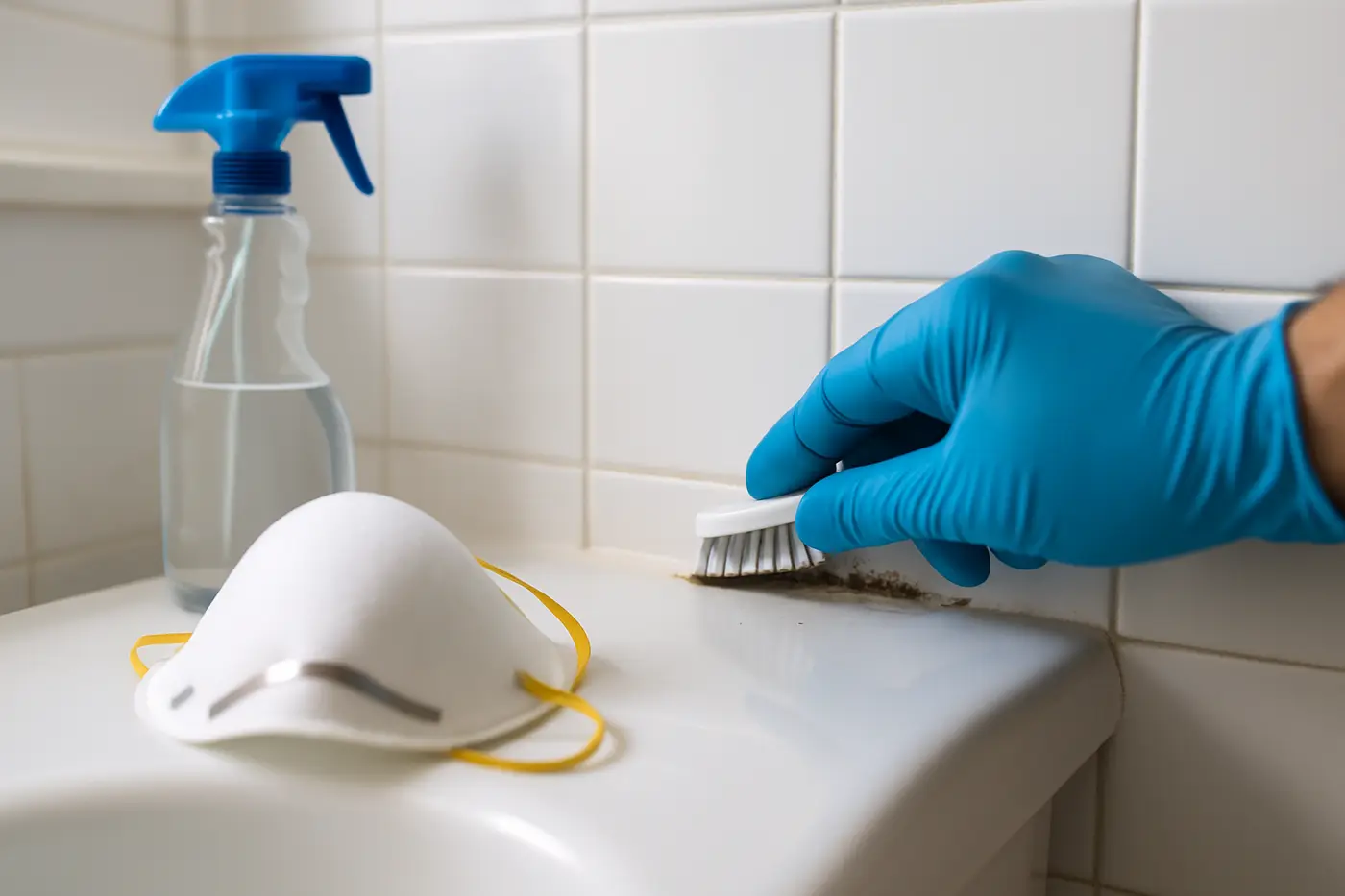
Do not wipe black mold with bleach; it does not penetrate drywall paper or wood, and its water feeds the colony. Do not paint over it; the growth continues under the paint. Never mix bleach and ammonia. Do not dry-scrape, sand or run a box fan on it. Pre-1978 homes may have lead paint and pre-1980 homes may have asbestos in pipe insulation, floor tile and plaster, so test before any demolition. Our guide on when DIY cleaning is enough draws the line.

Insurance and documentation

If the black mold followed a sudden and accidental loss such as a burst pipe or a storm that opened the roof, a standard HO-3 policy usually pays for the mold under a sublimit, commonly $5,000 to $10,000. Growth from a slow leak, seepage or humidity, which is where Stachybotrys usually comes from, is generally excluded. Sewer backup needs a water backup endorsement. We provide dated photos, moisture logs, a written scope and, for larger losses, an Xactimate estimate, and the independent clearance report closes the file. Pennsylvania has no statewide mold license, so that documentation is your protection.

What black mold removal costs in Philadelphia

Heavy growth or growth after Category 3 water, contained, runs $2,500 to $10,000 depending on the area and how much material comes out. A single room with lighter growth is $1,500 to $4,000, and a small area under 10 square feet is $500 to $1,500. Independent surface or air sampling is $75 to $150 per sample and clearance testing is $300 to $700. See the pricing page and read what black mold is and what to do next. If you have dark growth on a wall in your Philadelphia home, do not touch it. Close the door, call us or send the form, and we will inspect it and give you a written scope.

Last updated September 02, 2026
Common questions

Black Mold Removal, explained.

Straight answers about health risk, testing, timelines, insurance and what to expect from black mold removal in Philadelphia.

All questions
Is black mold more dangerous than other mold?

Not because of its color. Stachybotrys chartarum is the species people mean by black mold, but many common molds such as Cladosporium and Alternaria also look black on a wall, and none of them is treated differently. There is no federal standard for an acceptable airborne mold level and no species that changes the protocol. What raises the risk is the amount of growth, how long it has been there, how disturbed it will be during removal and who lives in the house. Any visible growth is handled the same way under the IICRC S520 standard.

How do I know if it is really black mold?

You cannot tell by eye, and for the work it does not matter. Stachybotrys is greenish-black, slimy when wet and dull and powdery when dry, and it grows on cellulose that has stayed wet for a long time: drywall paper, wood lath, cardboard, ceiling tile. Other dark molds look nearly identical. If a physician, landlord or buyer needs the species on paper, a surface sample sent to an independent lab is $75 to $150 and will identify it. Otherwise the money is better spent on removal.

Can I remove black mold myself?

A patch under about 10 square feet on a hard, non-porous surface such as tile or a painted metal frame can be cleaned by the occupant with detergent and water once the moisture is fixed, and the EPA's guidance says as much. Heavy growth, anything on drywall, plaster or wood, anything after sewer water, anything inside ductwork, or a household with someone who has asthma, allergies or a weakened immune system calls for contained professional remediation. Dry-scraping a moldy wall in a rowhome without containment spreads spores through the whole house.

Do I have to leave my house during black mold removal?

Usually not. The containment and negative air are built so the rest of the rowhome stays separated from the work area, and the air scrubbers exhaust HEPA-filtered air. We ask that children, pets and anyone with asthma, allergies or a weakened immune system stay away from the containment entrance. If the growth covers the only bathroom, the kitchen or several rooms, or if the job follows a sewer backup and the basement holds the furnace and water heater, we will tell you at the inspection so you can plan around it.

What causes black mold in Philadelphia rowhomes?

Material that stays wet for a long time. In Philadelphia that is a flat-roof seam that leaks for a season before the ceiling stains, a party-wall leak from the neighbor's roof or plumbing that keeps your plaster damp for months, paper-faced drywall in a finished basement pressed against a stone foundation that seeps after every heavy rain, a combined sewer backup that was never fully cleared out, or a bathroom ceiling above a shower with no working exhaust fan. A single spill dried within 48 hours almost never produces it.

How much does black mold removal cost in Philadelphia?

Heavy growth, or growth after Category 3 sewer water, removed under full containment runs $2,500 to $10,000 depending on the area, how much material comes out and how long the structure takes to dry. Lighter growth in a single room is $1,500 to $4,000, and a small area under 10 square feet is $500 to $1,500. Independent surface or air sampling is $75 to $150 per sample and clearance testing is $300 to $700. Contents pack-out, if you want belongings moved and cleaned, is $1,000 to $5,000. Every job gets a written scope and price before work starts.

Does insurance cover black mold removal in Pennsylvania?

It depends on what caused the water. A standard HO-3 policy covers sudden and accidental losses such as a burst pipe or a storm that opens the roof, and mold that follows one of those is usually paid under a mold sublimit, commonly $5,000 to $10,000. Black mold most often comes from slow leaks, seepage or humidity, which are generally excluded. Sewer backup needs a water backup endorsement. Check your policy, and we will supply dated photos, moisture logs, a scope of work and an independent clearance report for the adjuster.

How long does black mold removal take?

A single contained room with heavy growth usually takes two to four working days for containment, removal and cleaning. A rowhome basement takes three to six working days, plus five to ten days of drying if the stone walls, joists or slab are still wet. Sewer backup jobs add extraction, disinfection and disposal before remediation starts. Containment stays up through drying and clearance, so the area is off limits for the whole period. Rebuild of removed drywall, plaster and trim is scoped separately afterward.

Related services

Mold rarely stays in one lane. These are the services most often scoped on the same job.

All Services
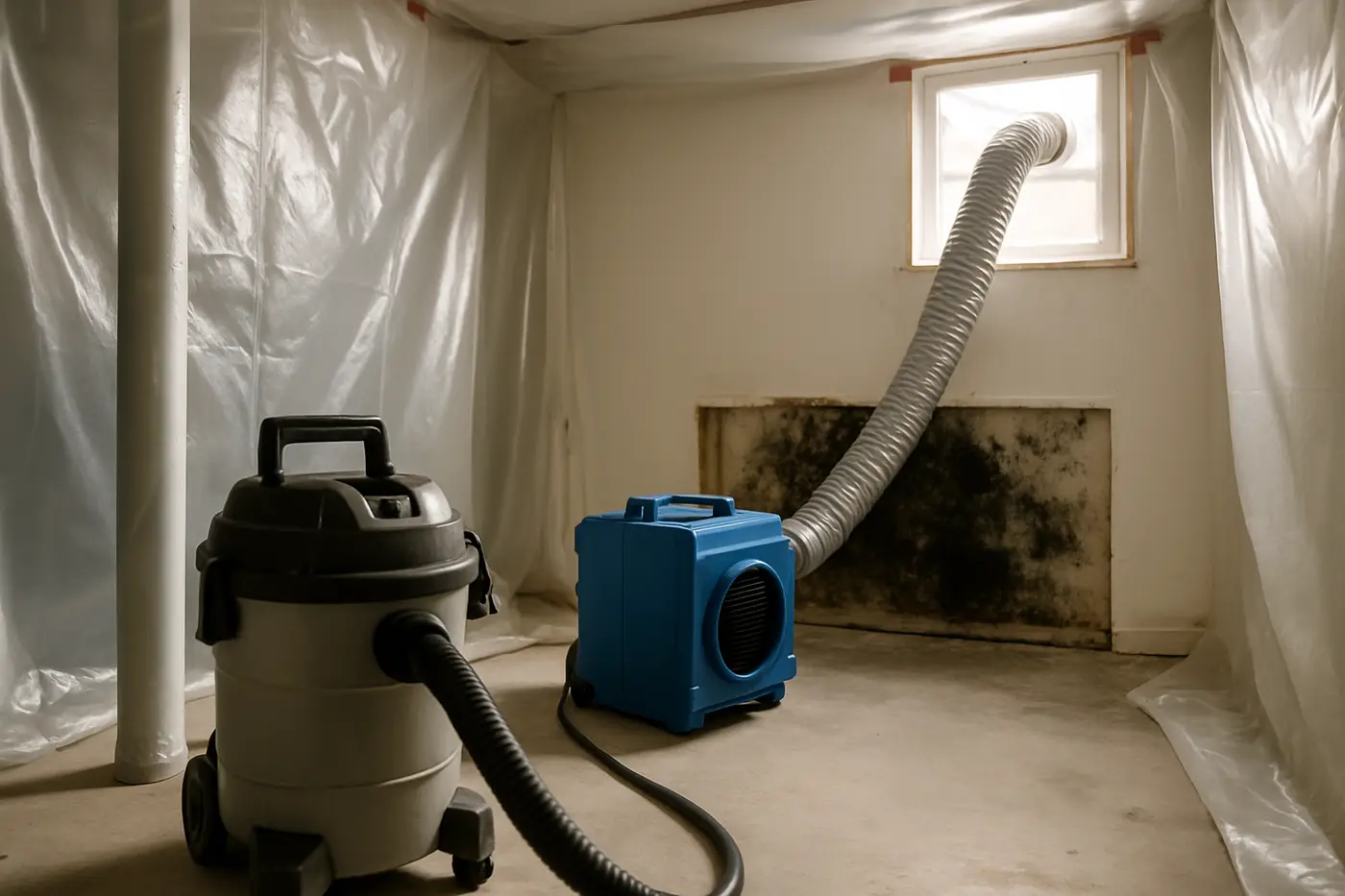
  • Sealed containment with a negative air machine and mold on the lower wall of a Philadelphia basement
    01

    Mold Remediation

    Mold remediation and removal for Philadelphia rowhomes and basements to the IICRC S520 standard: moisture correction, containment, negative air and HEPA cleaning.

    Learn More
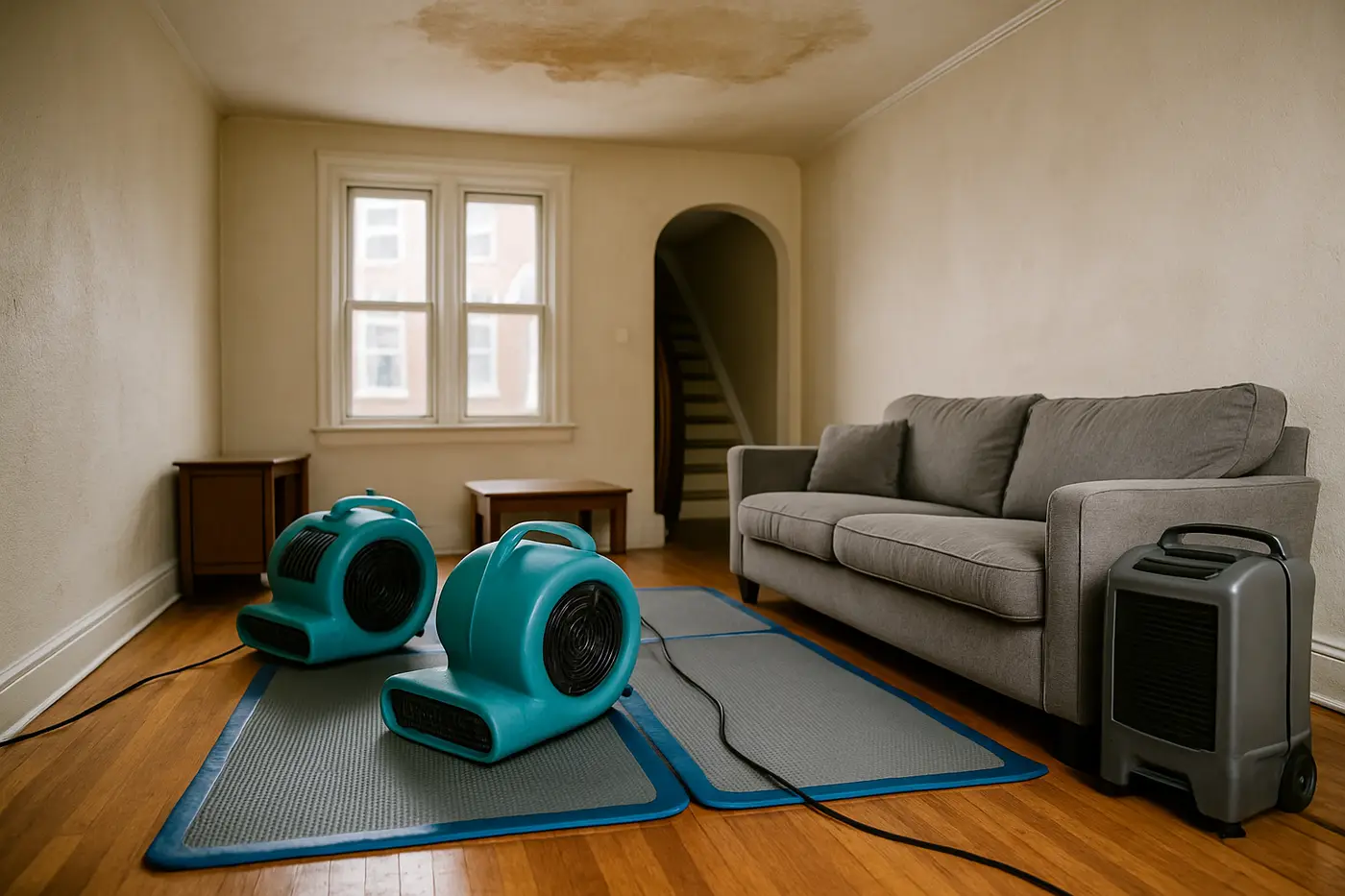
  • Air movers and a dehumidifier drying a water-damaged living room in a Philadelphia rowhome
    02

    Water Damage Restoration

    Water damage restoration in Philadelphia: extraction, moisture mapping and structural drying with air movers and LGR dehumidifiers inside the 24 to 48 hour mold window.

    Learn More
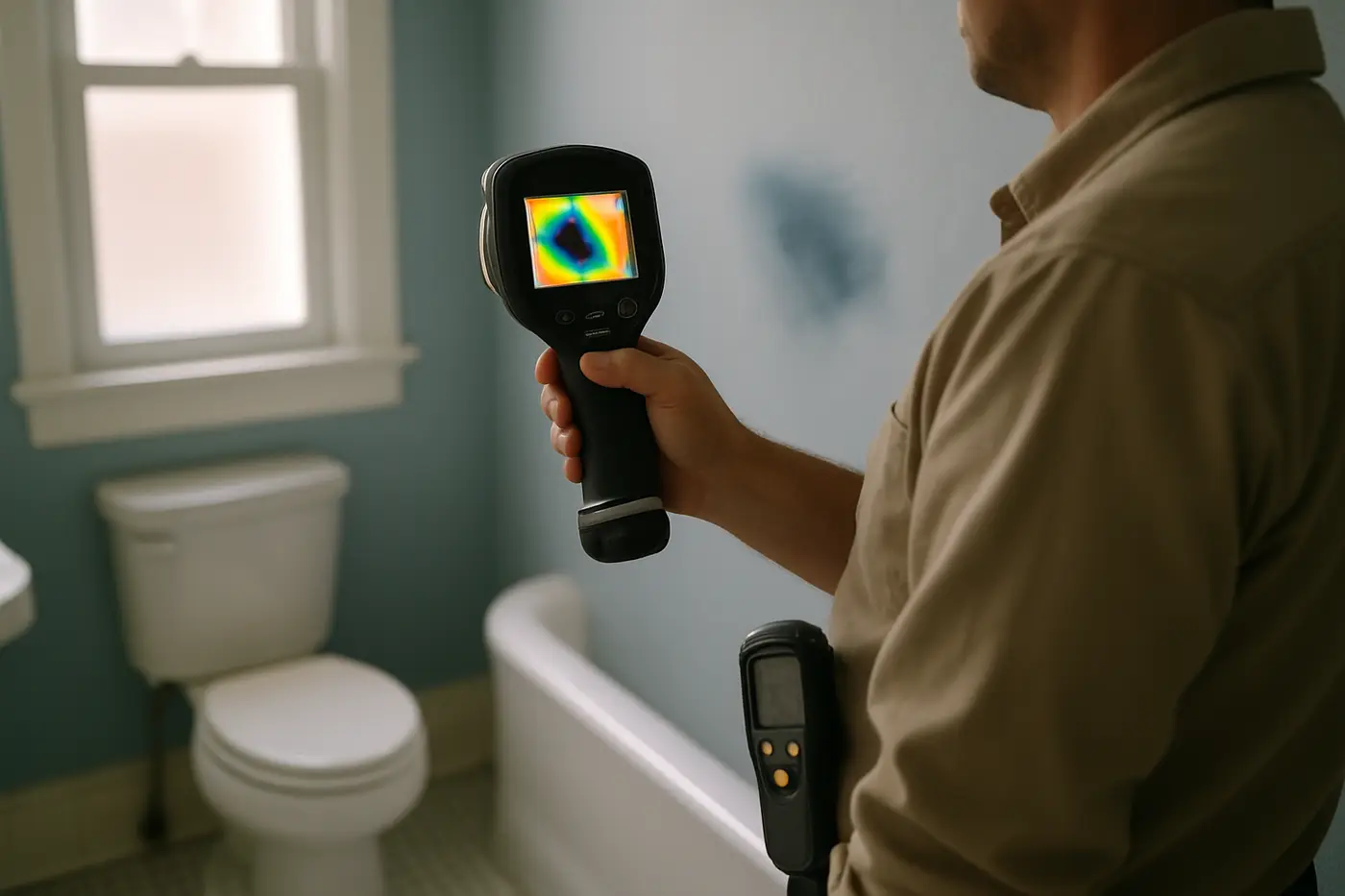
  • Inspector using a thermal camera and moisture meter on a bathroom wall in a Philadelphia rowhome
    03

    Mold Inspection & Testing

    Mold inspection and testing in Philadelphia: moisture mapping, thermal imaging and independent lab sampling only when it is worth it. Fee credited against remediation.

    Learn More

Helpful reading

Guides that go with this service.

Practical, Philadelphia-specific reading on hidden mold, basements, testing, insurance and humidity.

Black Mold Removal · Philadelphia, PA

Let's take the next step toward a dry, healthy property.

Tell us what you see or smell, where it is and whether anything is still wet. A remediation coordinator will explain what to do next and what your adjuster will need.

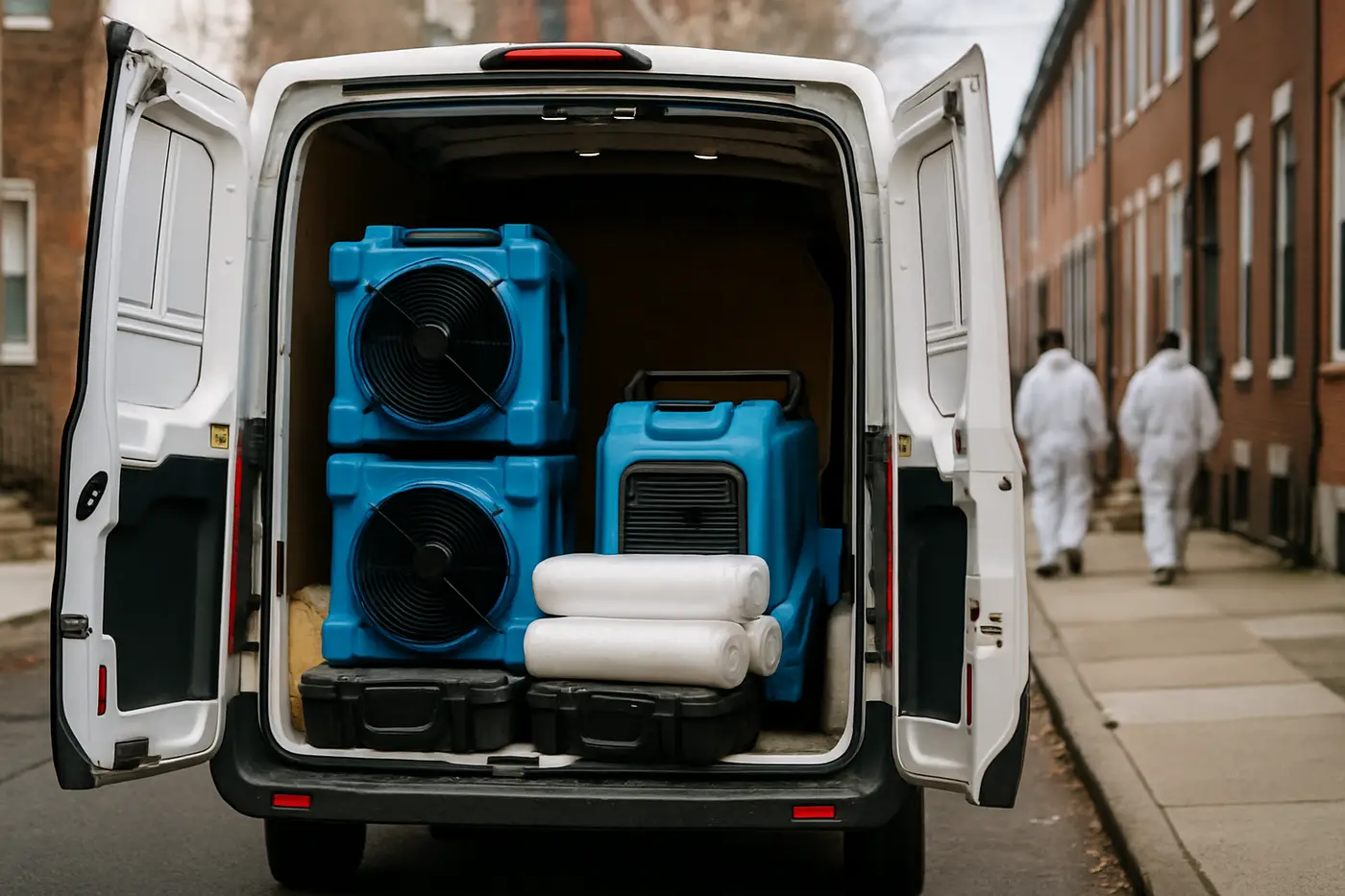
Mold remediation crew loading HEPA air scrubbers and dehumidifiers into a work van on a Philadelphia street