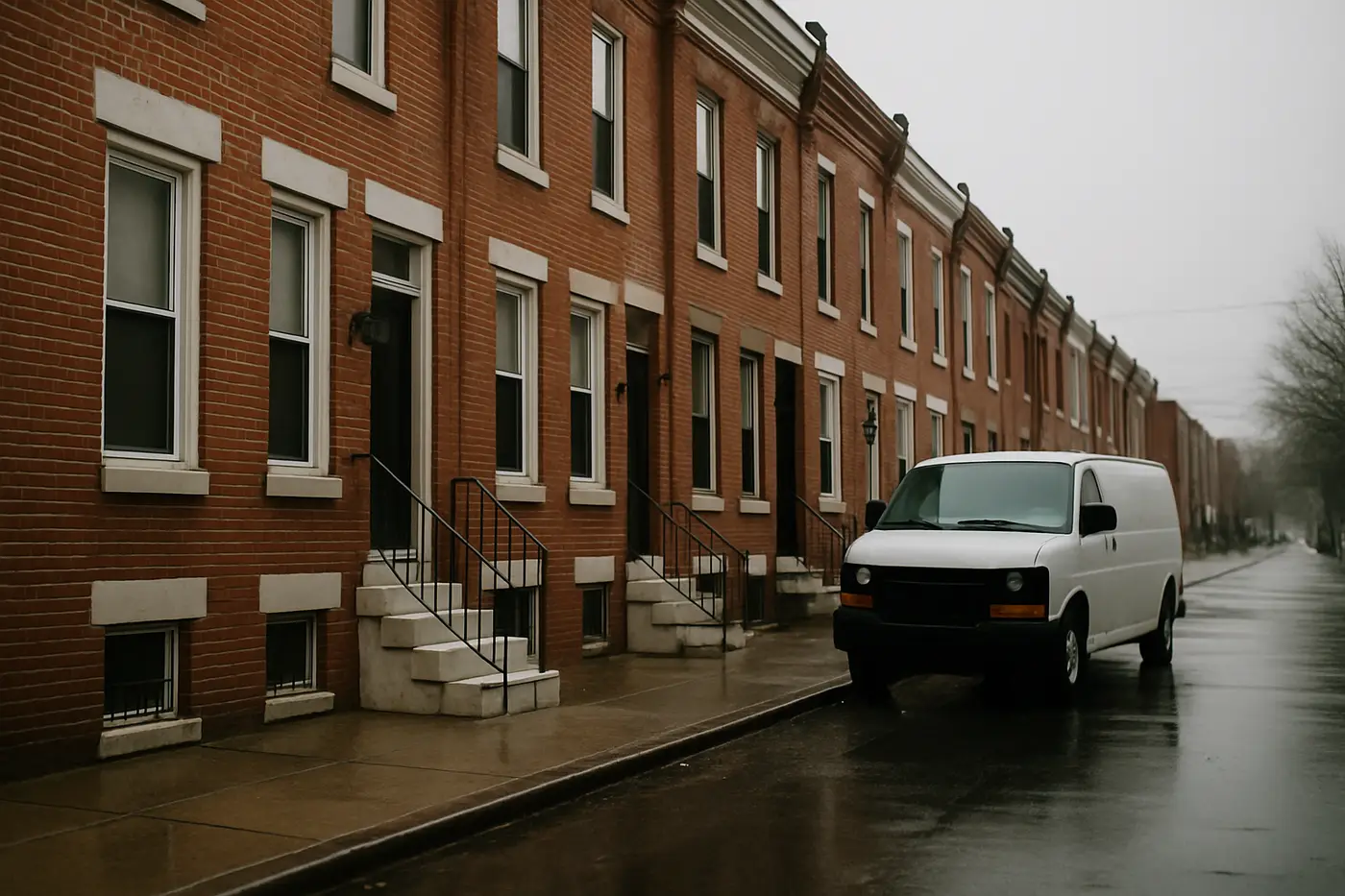
Philadelphia, PA · every section of the city
Mold Remediation
Service Areas
Six sections of the city, 24 core neighborhoods and the ZIP codes between them. Each one has its own housing stock, roof type, basement construction and water sources. Open any neighborhood below for the local mold context.
- 6 sections · 24 core neighborhoods
- Typically within 30–45 minutes
- 24/7 emergency response
Confirm coverage for your neighborhood
6
Sections of the city with their own guide
24
Core neighborhoods with local notes
30–45 min
Typical arrival by section
24/7
Emergency response for active water
Six sections of the city
Six different moisture problems,
not one.
Trinities and condo conversions in Center City. Dense two-story rowhomes in South Philly. Old factories turned lofts along the Delaware. Mid-century rowhomes with finished basements in the Northeast. Victorian twins and student rentals in West Philly. Stone houses on the hills above the Schuylkill and the Wissahickon. Each one changes what goes on the truck.
- 01 · ~30 min
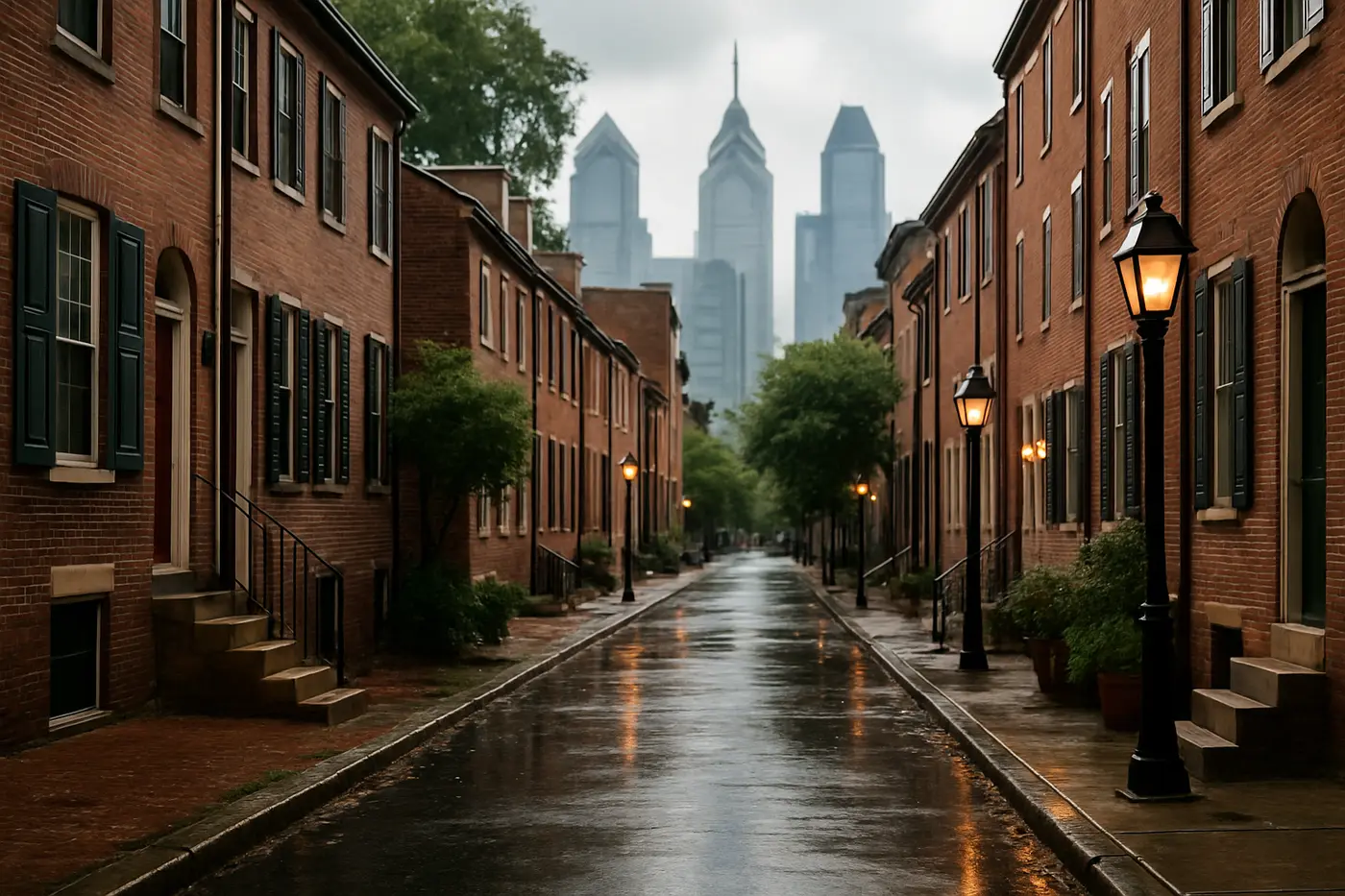
Center City
Trinities, converted lofts and condo towers on the combined sewer
Rittenhouse Square · Old City · Washington Square West · Fairmount
Center City overview - 02 · ~35 min
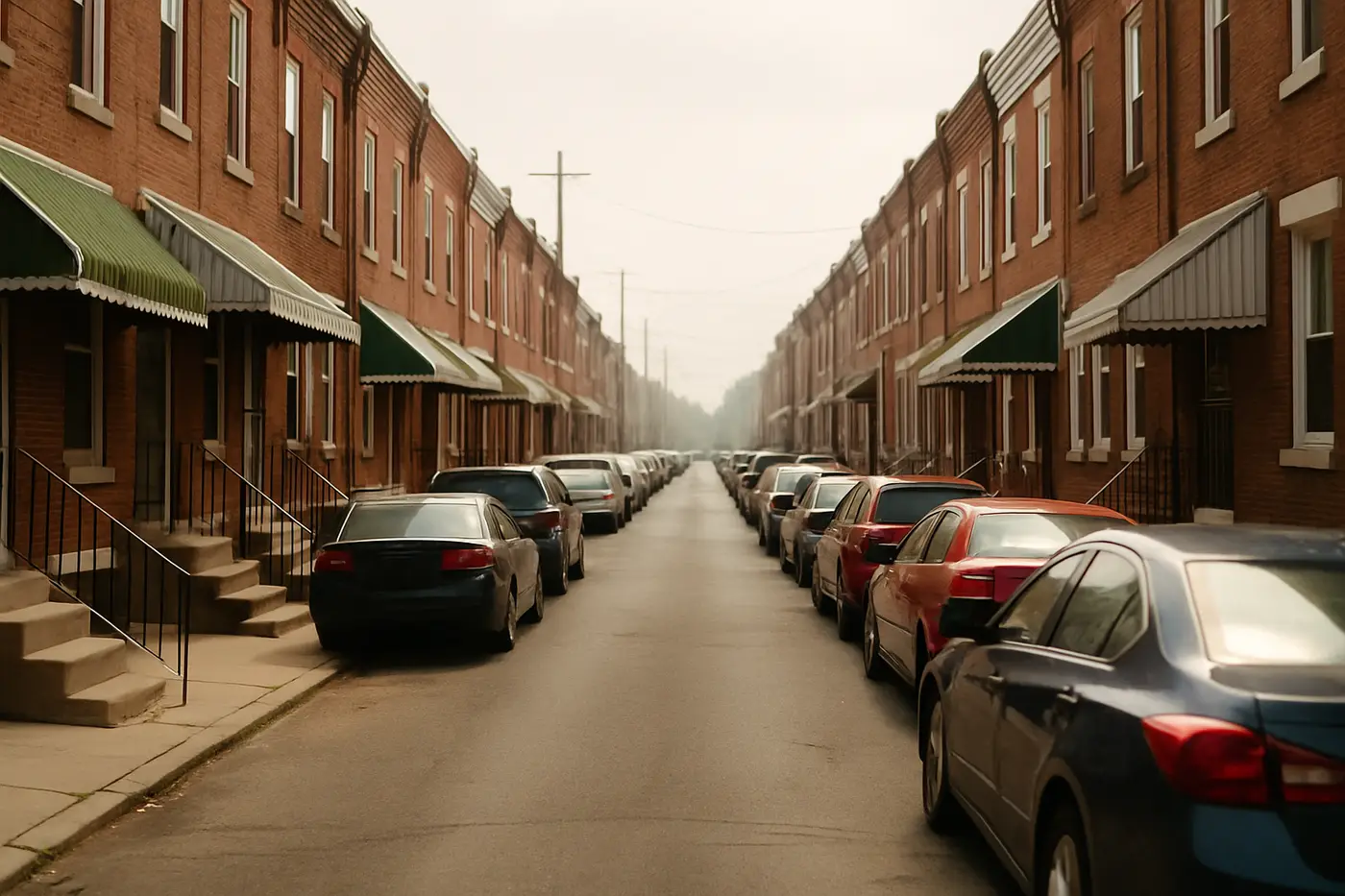
South Philadelphia
Two-story brick rowhomes, party walls and damp cellars
East Passyunk · Point Breeze · Queen Village · Pennsport
South Philadelphia overview - 03 · ~35 min
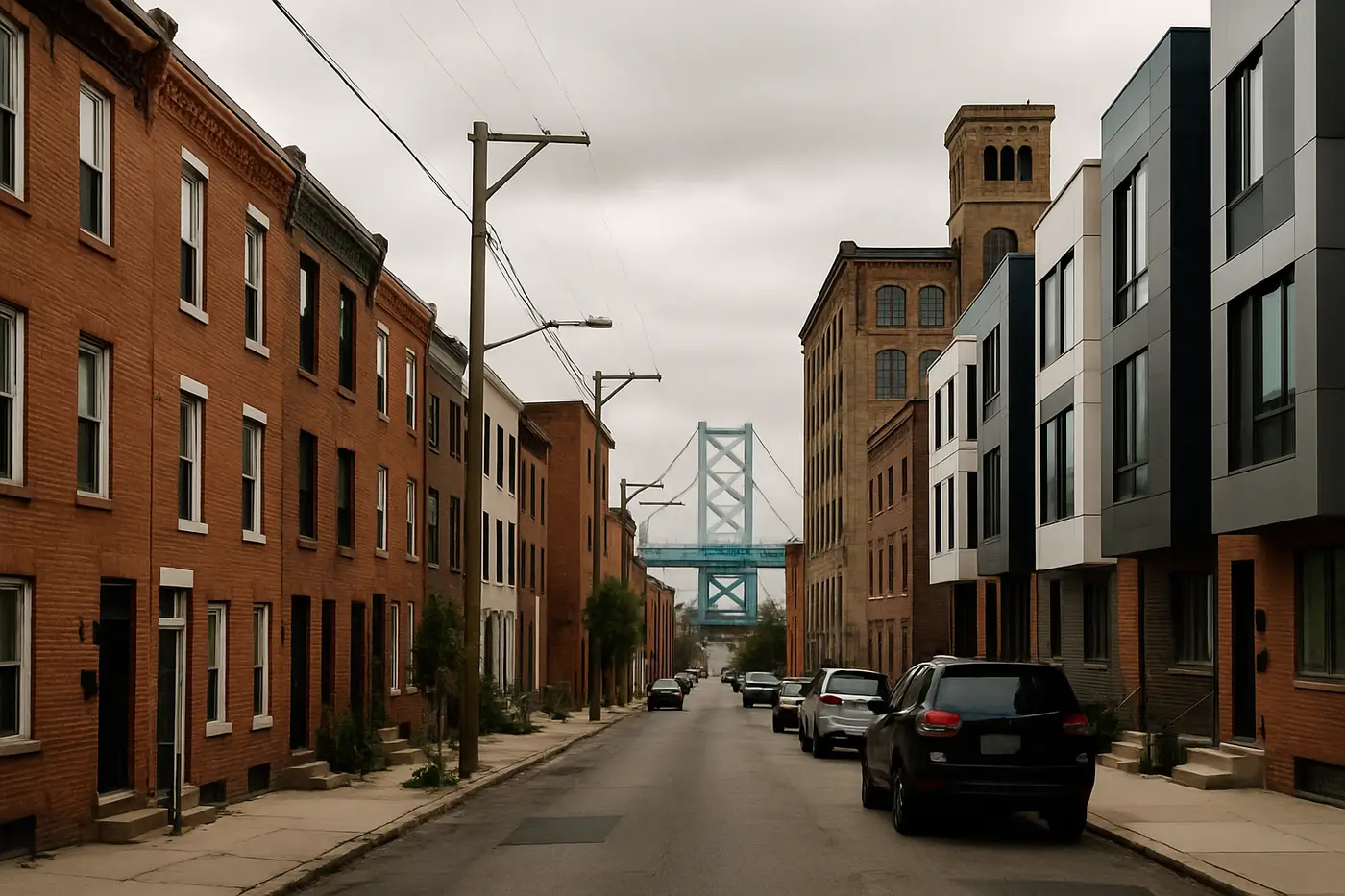
North Philadelphia & River Wards
Old rowhomes, new-build townhomes and converted factories side by side
Fishtown · Northern Liberties · Port Richmond · Brewerytown
North Philadelphia & River Wards overview - 04 · ~45 min
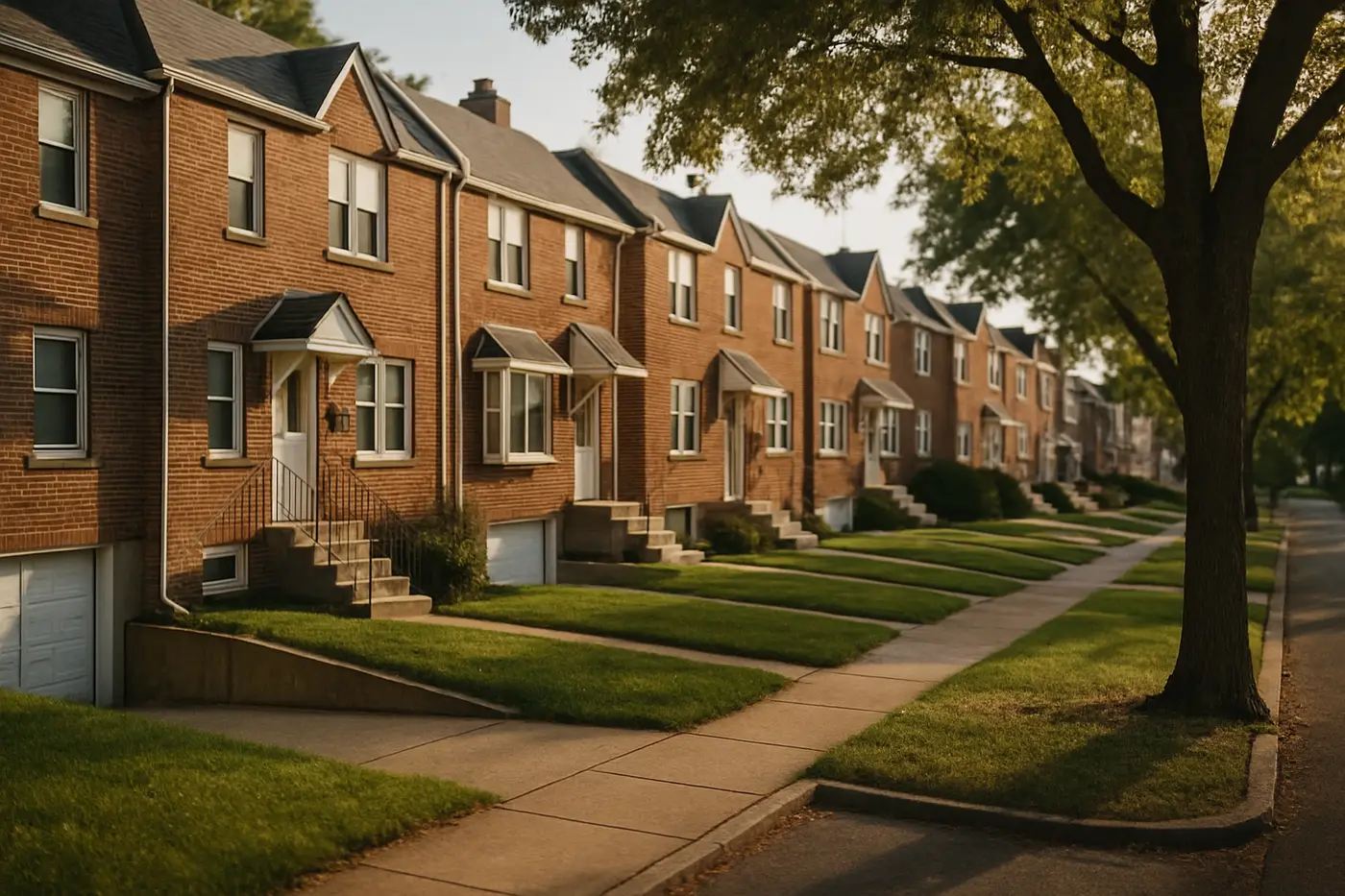
Northeast Philadelphia
Finished basements, twins and singles on creek-side ground
Mayfair · Fox Chase · Bustleton · Frankford
Northeast Philadelphia overview - 05 · ~40 min
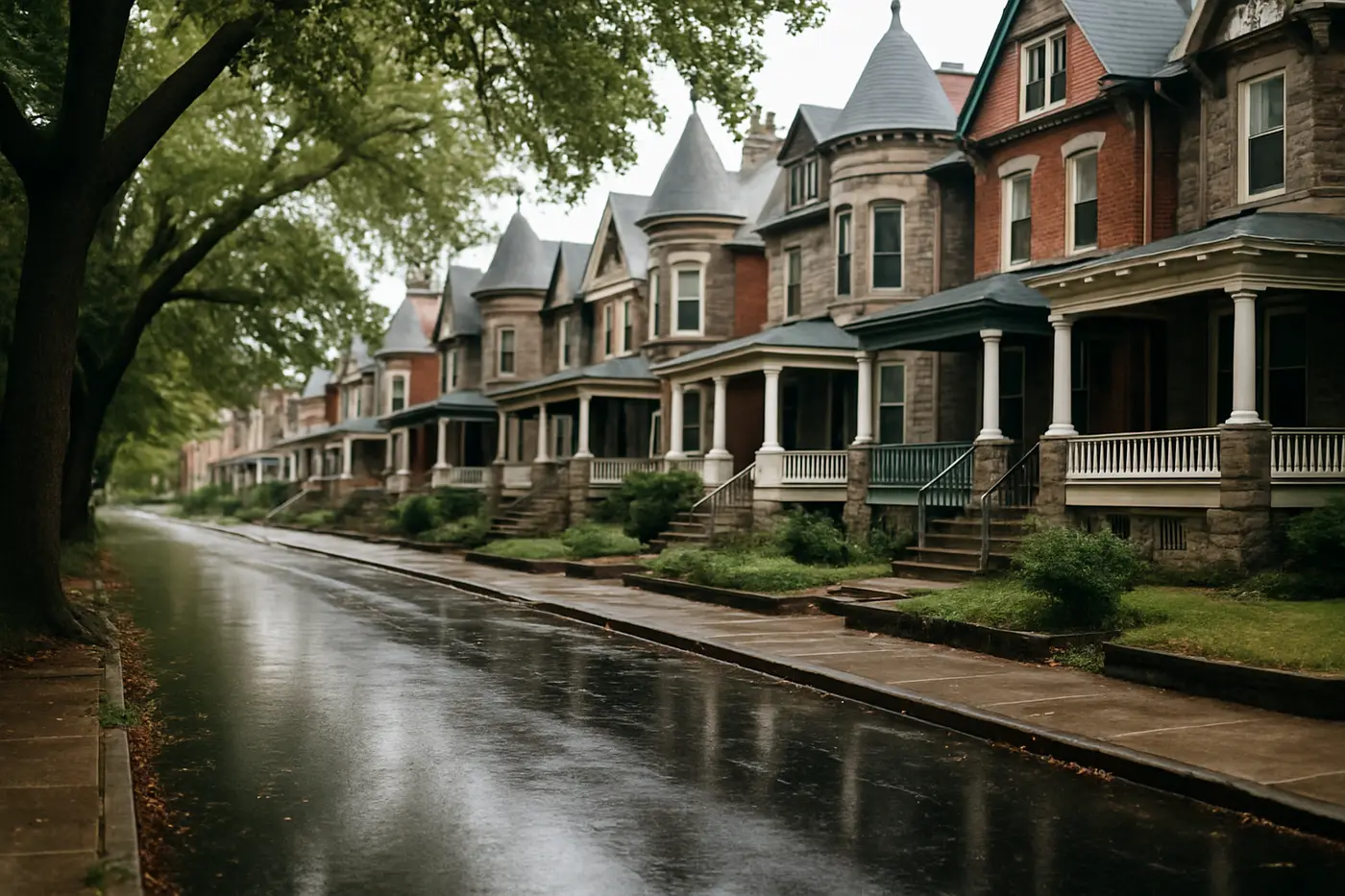
West Philadelphia
Victorian twins, porch-front rowhomes and student rentals
University City · Cobbs Creek · Overbrook · Wynnefield
West Philadelphia overview - 06 · ~45 min
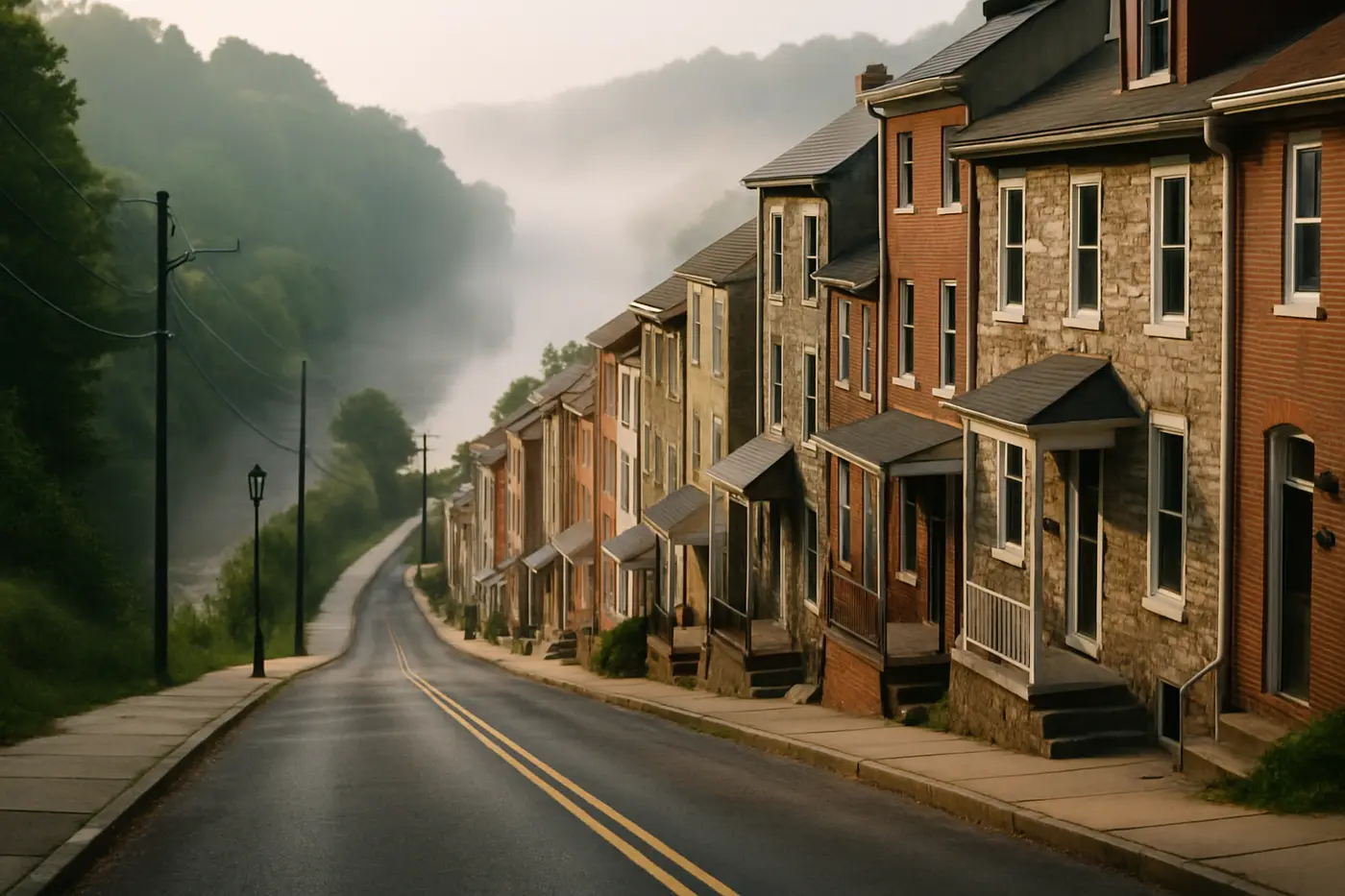
Northwest Philadelphia
Hillside rowhomes, schist stone houses and creek-side ground
Manayunk · Roxborough · Germantown · Chestnut Hill
Northwest Philadelphia overview
Full directory
All 24 core neighborhoods,
grouped by section.
Every neighborhood page covers the housing and basement type, the water sources that matter, the five most common mold problems and what your adjuster, landlord or buyer will ask for.
~30 min typical · 4 neighborhoods
Center City
Rittenhouse Square, Old City, Washington Square West and Fairmount: 1900s-1920s trinities and rowhomes, converted lofts and condo towers on the oldest part of the combined sewer. Mold here starts at flat-roof seams, in stacked units where an upper leak runs down a shared wall cavity, and in stone-foundation cellars that sit above 60 percent relative humidity all summer.
Section overview- Rittenhouse Square 19103 Upper-unit bathroom and AC condensate leaks running down shared wall cavities in split rowhomes and condo towers
- Old City 19106 Upper-unit leaks in converted warehouses and condo lofts traveling through timber floors to the units below
- Washington Square West 19107 Rowhomes split into apartments where an upper-unit bathroom leak reaches the shared wall of every unit below
- Fairmount 19130 Flat-roof seams and silver-coated roofs on 1880s-1920s rowhomes wetting top-floor ceilings and closets
~35 min typical · 4 neighborhoods
South Philadelphia
East Passyunk, Point Breeze, Queen Village and Pennsport: dense two-story brick rowhomes on shared party walls, most built between the 1880s and 1940s, on the combined sewer. The mold pattern is a wet party wall from the neighbor's roof or plumbing, a silver-coated flat roof that was never recoated, and an unfinished stone or concrete cellar that runs damp from June through September.
Section overview- East Passyunk 19148 Silver-coated flat roofs with failed seams, drains and parapets wetting the top-floor ceiling and the closet on the party wall
- Point Breeze 19146 Old party walls exposed by demolition or new construction next door taking rain and freeze-thaw damage from the outside
- Queen Village 19147 Shallow brick foundation cellars with dirt or brick floors running damp and above 60 percent humidity all summer
- Pennsport 19147 Silver-coated flat roofs on two-story rowhomes leaking at seams, drains and parapets into top-floor ceilings
~35 min typical · 4 neighborhoods
North Philadelphia & River Wards
Fishtown, Northern Liberties, Port Richmond and Brewerytown: 1800s-1900s brick rowhomes mixed with new-build townhomes, converted factories and condo conversions. Mold here comes from a neighbor's roof draining onto an old party wall, from rear additions and crawl spaces, from upper-unit leaks in converted buildings, and from cellars that condense the summer dew point onto stone and brick.
Section overview- Fishtown 19125 Old party walls exposed when a neighboring rowhome was demolished or rebuilt, wetting the plaster on the inside face
- Northern Liberties 19123 Upper-unit leaks in condo conversions and converted factories traveling through the floors to several units below
- Port Richmond 19134 Stone-foundation cellars with concrete floors condensing summer humidity onto joists, stored contents and the water heater
- Brewerytown 19121 Stone-foundation cellars with concrete or dirt floors condensing summer humidity onto joists and stored contents
~45 min typical · 4 neighborhoods
Northeast Philadelphia
Mayfair, Fox Chase, Bustleton and Frankford: 1920s-1960s brick rowhomes, twins and singles, most with finished basements that hide moisture behind paneling and carpet. The pattern is seepage through block and poured foundations after heavy rain, creek proximity along Tacony-Frankford and Pennypack Creeks, and 1950s bathrooms with leaking tub surrounds and fans that vent into the attic.
Section overview- Mayfair 19149 Finished basements with paneling, drop ceilings and carpet over slab hiding seepage at the cove joint and the base of the wall
- Fox Chase 19111 Finished basements on block foundations hiding seepage behind paneling and carpet after heavy rain
- Bustleton 19115 Finished basements on block foundations hiding seepage behind paneling, drywall and carpet after heavy rain
- Frankford 19124 Stone-foundation cellars with concrete or dirt floors condensing summer humidity onto joists and stored contents
~40 min typical · 4 neighborhoods
West Philadelphia
University City, Cobbs Creek, Overbrook and Wynnefield: Victorian twins, porch-front rowhomes and large stone houses, many of them split into apartments and student rentals. Mold here follows deferred maintenance in rental units, wet plaster behind radiators and bay windows, stone-foundation basements that sweat all summer, and low ground along Cobbs Creek.
Section overview- University City 19104 Upper-unit bathroom and kitchen leaks in Victorian twins split into student apartments running down the shared wall to the units below
- Cobbs Creek 19143 Stone and concrete foundation basements condensing summer humidity onto joists, stored contents and the water heater
- Overbrook 19151 Rubble stone foundation basements in twins and large singles condensing summer humidity onto stone, joists and stored contents
- Wynnefield 19131 Rubble stone foundation basements condensing summer humidity onto stone, joists and stored contents
~45 min typical · 4 neighborhoods
Northwest Philadelphia
Manayunk, Roxborough, Germantown and Chestnut Hill: hillside rowhomes, Wissahickon schist stone houses and older frame homes near the Schuylkill River and Wissahickon Creek. Mold here follows river flooding along Main Street in Manayunk, hillside seepage into stone cellars, porous schist walls that wick ground moisture, and large old houses split into apartments.
Section overview- Manayunk 19127 Schuylkill River flooding along Main Street and the canal, including the record crest from the remnants of Hurricane Ida in September 2021
- Roxborough 19128 Hillside lots where groundwater runs downhill into the uphill foundation wall of rowhomes, twins and stone singles
- Germantown 19144 Large stone and frame houses split into apartments where a top-floor roof or bathroom leak reaches every unit below
- Chestnut Hill 19118 Rubble schist foundations wicking ground moisture and condensing summer humidity onto stone, joists and stored contents
Don't see your neighborhood?
The list is the core, not the boundary.
The 24 neighborhoods above are the ones we attend often enough to write a local guide for. Crews cover the whole City of Philadelphia and the inner suburbs on request, including:
- Graduate Hospital
- Bella Vista
- Society Hill
- Spring Garden
- Francisville
- Kensington
- Olde Kensington
- Juniata
- Tacony
- Holmesburg
- Somerton
- Rhawnhurst
- Oxford Circle
- Lawncrest
- Powelton Village
- Spruce Hill
- Cedar Park
- Kingsessing
- Southwest Philadelphia
- Eastwick
- East Falls
- Mount Airy
- Andorra
- Nicetown
- Strawberry Mansion
- Bala Cynwyd
- Upper Darby
- Cheltenham
- Jenkintown
- Collingswood
Further out into Montgomery, Delaware or Bucks County, or across the river in New Jersey, tell us the town and we will be straight about whether we can get there in a useful time.
Confirm coverage for my neighborhoodHow dispatch works
Crews by section, one emergency queue.
Typical arrival runs from about 30 minutes in Center City to about 45 minutes out to the Northeast and Northwest. Here is what sits behind those numbers.
- Crews by section Crews rotate through six sections of the city rather than one central depot, so the technician scoping your job usually knows the housing stock, the roof type and the parking.
- One queue, triaged Requests are monitored around the clock. Active water and multi-unit jobs jump ahead of scheduled inspections, because a wet wall today is a remediation job next month.
- Honest arrival windows Response times above are typical travel, not a promise on paper. After a regional storm we will tell you where you sit in the queue before anything is booked.
What stays the same
Same standards,
every ZIP code.
The neighborhood changes the housing, the water source and the travel time. The remediation, the documentation and the way the job is priced do not.
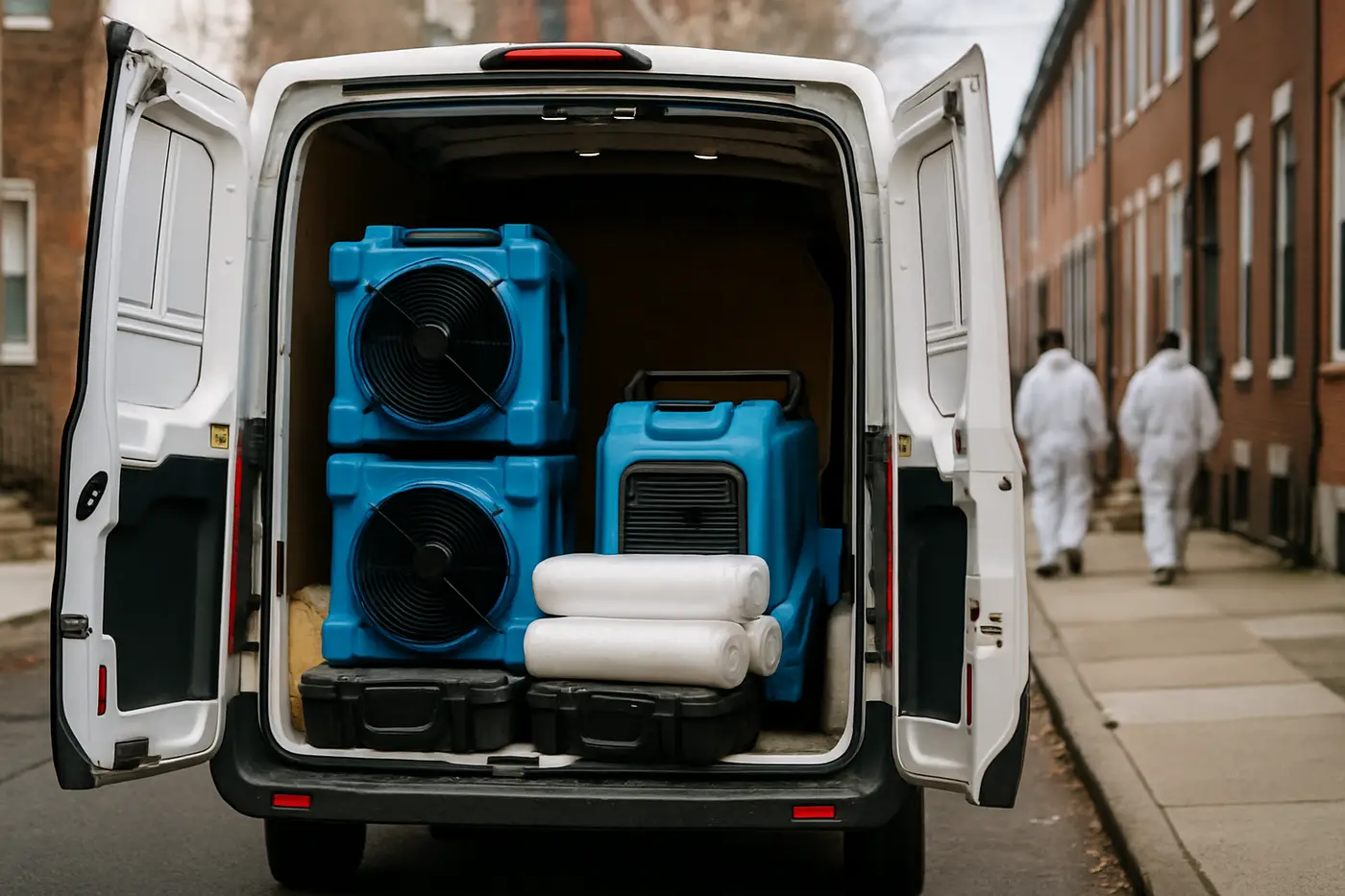
Same remediation standard
Every job follows IICRC S520: moisture source corrected, area contained under negative air, porous growth removed, structure HEPA cleaned and treated, result verified.
Same documentation
Dated photos, moisture readings and a written scope on every job, in the format Pennsylvania adjusters, landlords, property managers and home buyers expect.
Same pricing basis
Scheduled visual inspection and estimate free, mapped inspection credited against the work, and a written scope before anything starts. No neighborhood loading.
Same verification
Containment stays up until a visual check and dry moisture readings pass, and independent clearance testing is available everywhere we work.
Ready when you are
Tell us the neighborhood. We'll confirm the rest.
Neighborhood, what you see or smell and whether anything is still wet. A remediation coordinator will confirm coverage, a realistic arrival window and what to do while you wait.