- #cost
- #pricing
- #mold-remediation
- #philadelphia
- #basement
- #insurance
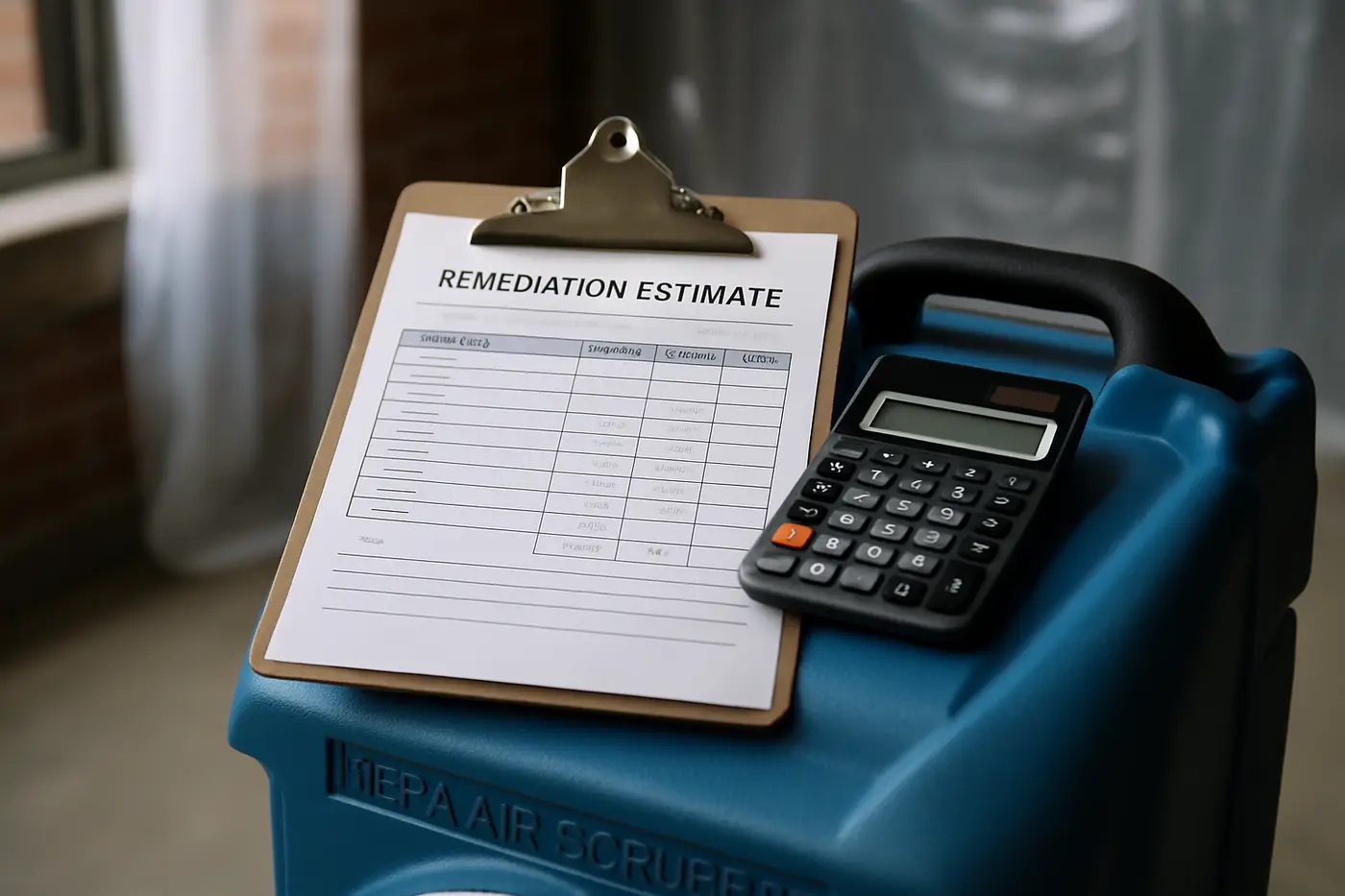
Mold remediation in Philadelphia costs $1,500 to $4,000 for a single contained room in 2026, $2,000 to $8,000 for a rowhome basement, and $10,000 to $30,000 or more when several rooms or the whole house are involved. An inspection with moisture mapping and a written report runs $250 to $500 and is credited against the remediation work.
Below is the full price table we work from, what each line covers, four typical Philadelphia jobs, and what pushes a job to the top or bottom of its range.
The 2026 Philadelphia price table
These are the ranges we quote across Philadelphia and the surrounding area, whether the job is a South Philly rowhome basement, a Center City condo or a stone twin in Overbrook. Every job gets a written scope and price before work starts.
| Job | 2026 range (USD) |
|---|---|
| Mold inspection with moisture mapping and written report | $250-$500, credited against remediation |
| Scheduled visual inspection and written estimate | Free |
| Air or surface sampling by an independent lab | $75-$150 per sample (3-5 samples: $300-$700) |
| Small contained area (under 10 sq ft: bathroom ceiling, closet, window) | $500-$1,500 |
| Single room contained remediation (bathroom, bedroom wall, kitchen) | $1,500-$4,000 |
| Basement mold remediation (rowhome basement) | $2,000-$8,000 |
| Attic mold remediation | $2,000-$7,000 |
| Crawl space mold remediation (with vapor barrier) | $1,500-$6,000 |
| Black mold removal (heavy growth or Category 3 water, contained) | $2,500-$10,000 |
| Whole-house or multi-room remediation | $10,000-$30,000+ |
| Commercial mold remediation | $3,000-$25,000+ (scope-dependent) |
| Post-remediation verification (independent clearance testing) | $300-$700 |
| Water damage restoration (extraction and drying, 2-3 rooms) | $2,000-$6,500 |
| Structural drying equipment (air movers and LGR dehumidifiers) | $50-$125 per unit per day |
| Mold damage repair and rebuild (drywall, insulation, trim, paint) | $1,000-$5,000 per room |
| Contents pack-out, cleaning and storage | $1,000-$5,000 |
Typical timelines: a single contained area takes 2 to 4 working days, a basement 3 to 6 working days plus 5 to 10 days of drying if the structure is wet, and a whole house 1 to 3 weeks. The full table also lives on our pricing page.
What the inspection fee actually buys
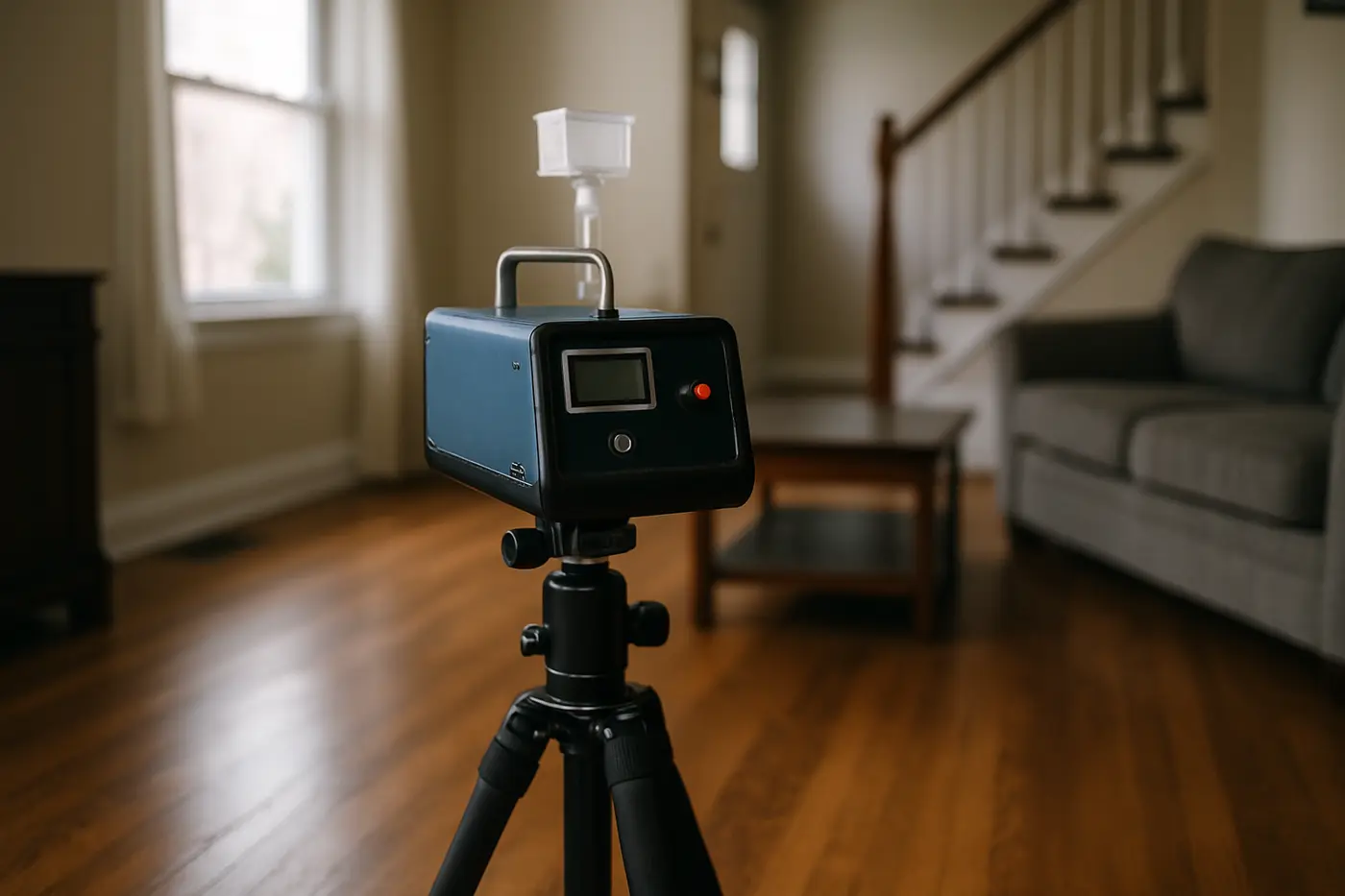
People ask why they should pay $250 to $500 for someone to look at mold they can already see. The look is not the point. The moisture map is. On a paid inspection a technician:
- Finds the water source, because remediation without fixing the source is a repeat job in six months.
- Maps moisture with pin and pinless meters and a thermal camera so the scope covers the wet framing behind the paneling, not just the stain on the surface.
- Records the starting readings that any drying log and any insurance claim is measured against.
- Writes a report with an itemized estimate, which is the document a landlord, a buyer’s agent or an adjuster wants to see.
If you go ahead with the work, the fee comes off the bill. Our guide to inspection versus testing explains when lab sampling is worth adding.
The six things that move the price
Within every row of the table, the same factors push a job toward the low or high end.
1. How many square feet of growth
Under about 10 square feet is a small contained area. A whole wall of a bedroom is a single room job. Growth across the joists of a 600 square foot rowhome basement is a basement job. The area sets the containment size, the number of air scrubbers and the days of labor.
2. What the mold is growing on
Mold on tile, sealed concrete or painted plaster is cleaned with HEPA vacuuming and antimicrobial treatment. Mold in drywall, in fiberglass insulation, in carpet pad or in the paper face of ceiling tile has to come out and be bagged. Removal costs more than cleaning, and the rebuild that follows is a separate line at $1,000 to $5,000 per room.
3. The water category
Clean water from a supply line that has been dried is the cheapest case. Category 3 water under the IICRC S500 standard, which in Philadelphia usually means a combined sewer backup through a basement floor drain, means every porous material it touched is removed, not dried. That pushes a basement job toward the black mold row at $2,500 to $10,000 even if the visible growth is modest.
4. Whether the structure is still wet
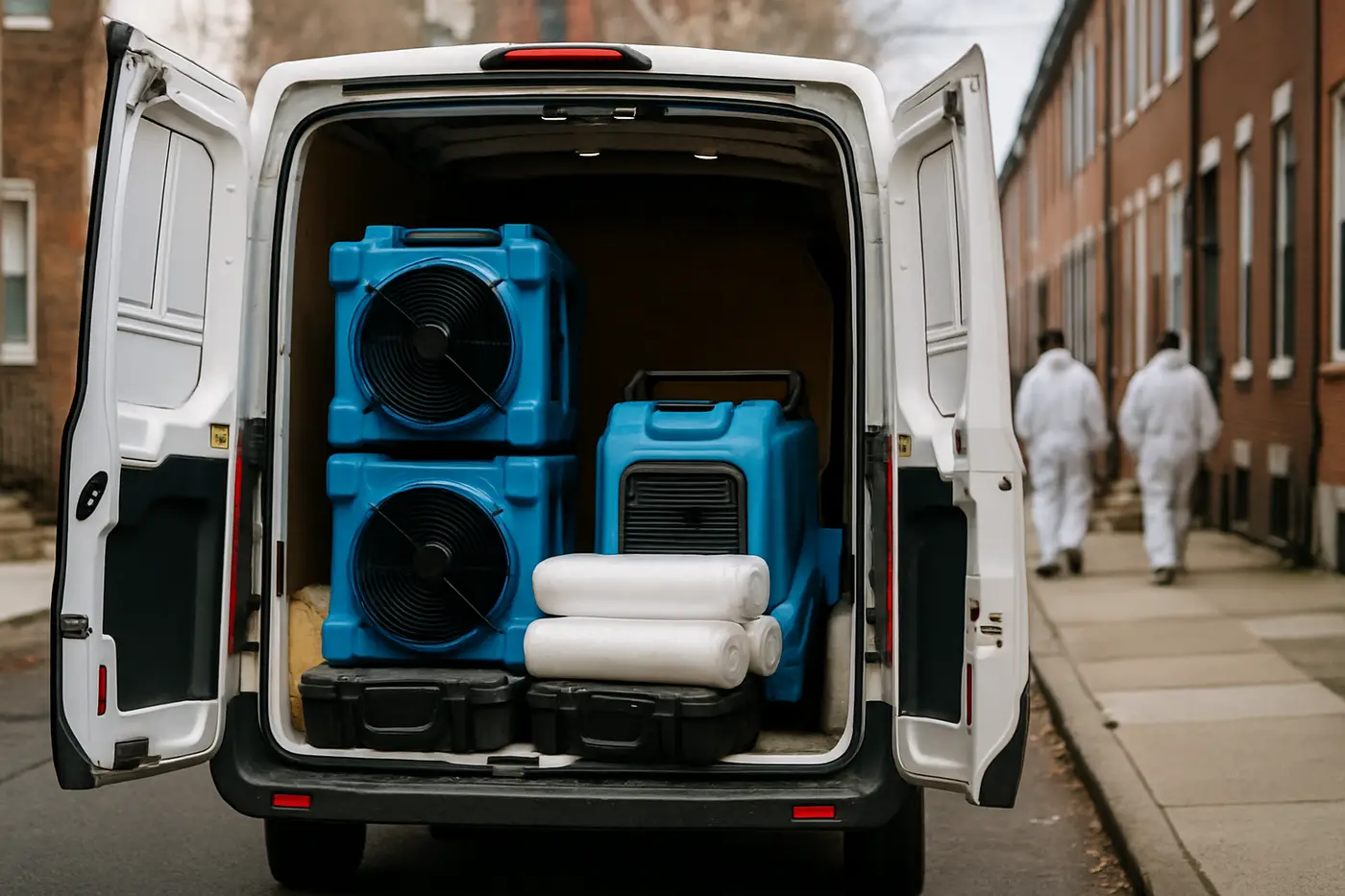
Mold remediation on a dry structure is a remediation job. Mold remediation on a wet structure is a water damage restoration job followed by a remediation job. Add 5 to 10 days of drying equipment at $50 to $125 per unit per day for a stone-foundation basement that is slow to give up moisture.
5. Access and containment
A finished basement with a drop ceiling, built-in shelving and a bathroom costs more to contain and to open up than an unfinished one with exposed joists. Attics under low-slope rowhome roofs are tight to work in.
6. Age of the house
Most Philadelphia rowhomes were built between the 1880s and the 1940s. Pre-1978 homes may have lead paint and pre-1980 homes may have asbestos in pipe insulation, floor tile and plaster. If demolition is part of the scope, testing comes first, and where a licensed abatement contractor is required that is a separate cost that we tell you about before anything is disturbed.
Four typical Philadelphia jobs and the rows that apply
Unfinished basement in a South Philly rowhome
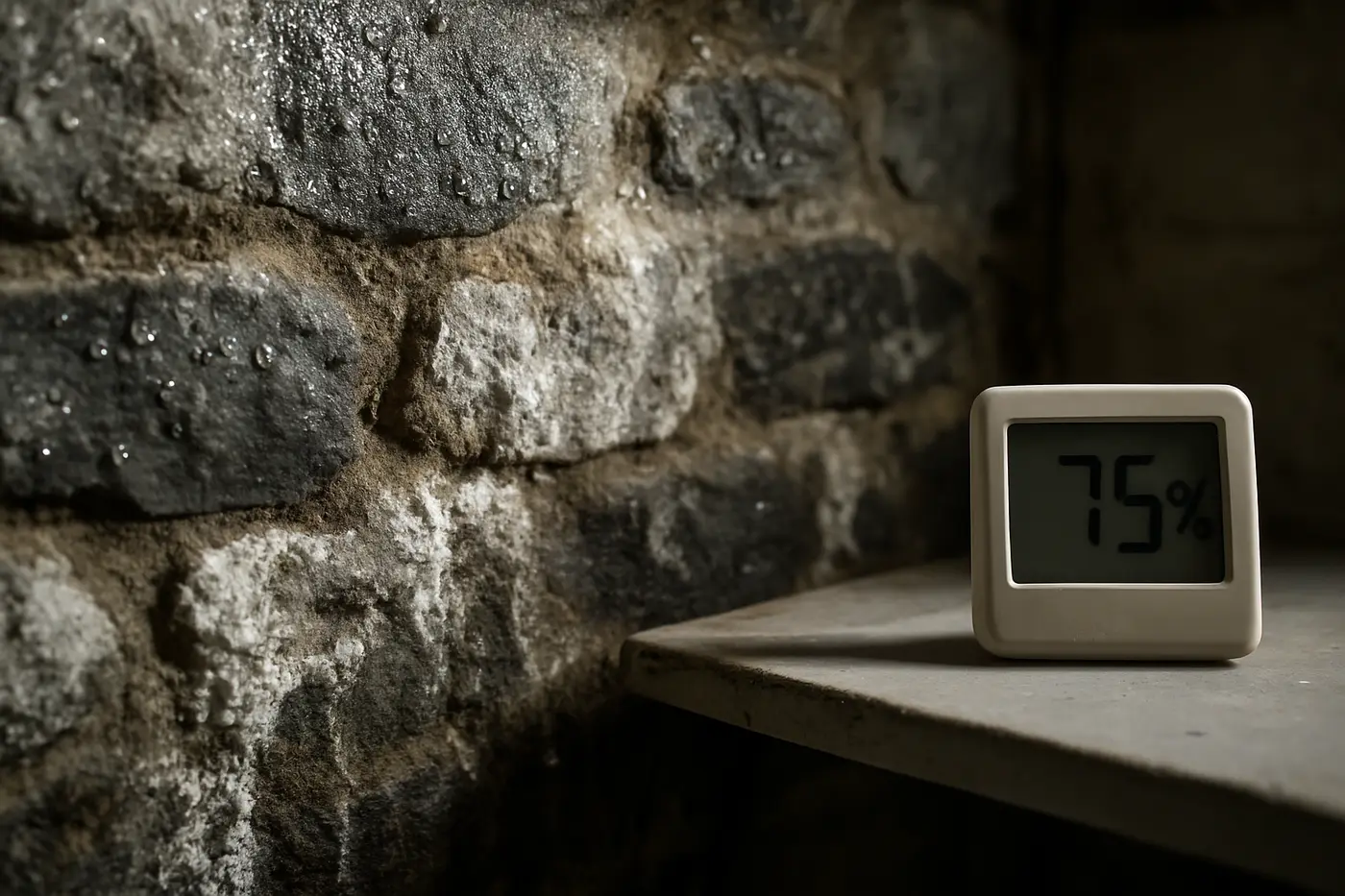
A two-story brick rowhome near East Passyunk with a stone foundation, a concrete floor that was never sealed and a basement used for laundry and storage. Summer humidity sat above 60 percent for months and growth spread across the underside of the first-floor joists and the back of the paneling on the party wall. This is the basement row at $2,000 to $8,000, usually landing in the lower half because there is little finished material to remove. The real fix is a dehumidifier sized for the space and sealing the slab, and we cover both in why rowhome basements grow mold. See the basement mold remediation page for scope detail.
Bathroom in a Northeast twin
A 1950s bathroom in Mayfair with a tub surround that has been letting water into the wall for years and an exhaust fan that vents into the attic. Growth on the ceiling, behind the tile and in the drywall of the adjoining bedroom closet. This is a single room contained job at $1,500 to $4,000: containment across the door, removal of the wet drywall and insulation, HEPA cleaning of the framing, antimicrobial treatment and a rebuild line afterward. If the attic above shows growth from the fan, that becomes a second scope under the attic row. Our bathroom and kitchen mold page covers the tub surround problem in detail.
Old City condo after an upstairs leak
A converted loft in Old City where the unit above had a washing machine supply hose let go. Clean water came down the shared wall cavity and pooled on the ceiling drywall and the top of the kitchen cabinets. Caught within a day, dried fast, this is water damage restoration at $2,000 to $6,500 and mold remediation may be avoided altogether. Caught after two weeks of vacation, the ceiling and cabinet backs are growing and it becomes a single room remediation at $1,500 to $4,000 on top of the drying. The association needs one report covering both units, which is part of the inspection.
Manayunk basement after Ida-style flooding
A hillside rowhome near Main Street where the Schuylkill came up during the remnants of Hurricane Ida in September 2021 and the basement took several feet of river water. That is Category 3 water. Carpet, drywall, cabinets, the furnace jacket insulation and anything in cardboard is removed. This is the black mold and Category 3 row at $2,500 to $10,000 plus drying and, because river flooding is excluded from a standard homeowners policy, it is paid by a flood policy or out of pocket. The Manayunk area page has more on the creek and river pattern there.
Insurance: who actually pays
Which job your policy covers depends on the water source, not on how bad the mold is.
- A standard Pennsylvania HO-3 policy covers sudden and accidental water losses: burst pipes, water heater failure, appliance supply lines, storm damage that opens the roof. Mold that follows one of those losses is usually paid under a mold sublimit, commonly $5,000 to $10,000, sometimes more by endorsement. The Old City condo above is usually a covered claim.
- Mold from long-term leaks, seepage, humidity or neglected maintenance is generally excluded. The South Philly basement and the Northeast bathroom are usually out of pocket.
- Sewer backup needs a water backup endorsement.
- River or overland flooding needs a separate flood policy through NFIP or a private carrier. The Manayunk job falls here.
- Adjusters expect dated photos, moisture readings, a scope of work and, for larger losses, an Xactimate estimate. Fast, documented drying after a covered loss is what keeps mold inside the claim.
We bill the carrier directly where the carrier approves. The full breakdown is in does homeowners insurance cover mold in Pennsylvania.
How to keep the bill at the low end
Most of what pushes a job up the range happens before we arrive.
- Fix the water first, or at least stop it. Remediation over an active leak is money spent twice.
- Call within the first two days of a water event. Drywall paper starts supporting growth in 24 to 48 hours in a Philadelphia summer.
- Do not dry-scrape, sand or run a fan on visible mold. That spreads spores through the house and turns one room into three.
- Do not bleach and paint over porous materials. The stain goes away and the growth stays under the paint.
- Get contents off the basement floor and out of cardboard. Plastic bins on shelves are the cheapest mold prevention there is.
- Ask for the written scope and ask which rows of the table apply. If a line does not make sense to you, ask why it is there.
Key takeaways
- Single contained room: $1,500 to $4,000. Rowhome basement: $2,000 to $8,000. Attic: $2,000 to $7,000.
- Black mold or Category 3 water: $2,500 to $10,000. Whole house: $10,000 to $30,000 or more.
- Inspection with moisture mapping and report: $250 to $500, credited against the work. Scheduled visual inspection and estimate: free.
- Independent clearance testing: $300 to $700. Lab samples: $75 to $150 each.
- Area, material, water category, wetness, access and age of the house decide where in the range you land.
- HO-3 covers mold after a sudden loss under a $5,000 to $10,000 sublimit. Gradual moisture is excluded. Sewer backup needs an endorsement, river flooding needs a flood policy.
For a written scope and price on your own job, send the form or call us. Our mold remediation crews cover Philadelphia and the surrounding area, and the scheduled visual inspection with a written estimate is free.