- #rental
- #tenants
- #landlords
- #habitability
- #multi-unit
- #philadelphia
Mold in a Philadelphia rental is handled the same way as anywhere else: find the moisture, fix it, then remediate the growth. What differs is who does what. Tenants document the problem and notify the landlord in writing. Landlords fix the water source and clean up to the IICRC S520 standard. If nothing happens, 311 and L&I can inspect.
This is what we tell each side. It is practical guidance from technicians, not legal advice.
Why rentals grow mold differently
Owner-occupied houses grow mold from the same sources as rentals: flat-roof seams, party-wall leaks, basement seepage, bathroom fans that vent nowhere, tub surrounds and window flashing. Rentals add two things.
Nobody owns the whole picture. In a rowhome converted into three apartments, the top-floor tenant sees a ceiling stain, the middle tenant sees a bubbling wall, and the basement tenant smells it. Each one assumes it is their problem alone. The landlord hears three unrelated complaints, if any, and the leak in the upper unit’s shower pan keeps running down the shared wall cavity.
Reporting is delayed. Tenants worry about being blamed or about the rent going up. Students in University City move in every August, notice a musty bedroom in September, and by the time anyone reports it in January the closet wall is colonized. Landlords who manage from a distance rely on those reports.
What tenants can do
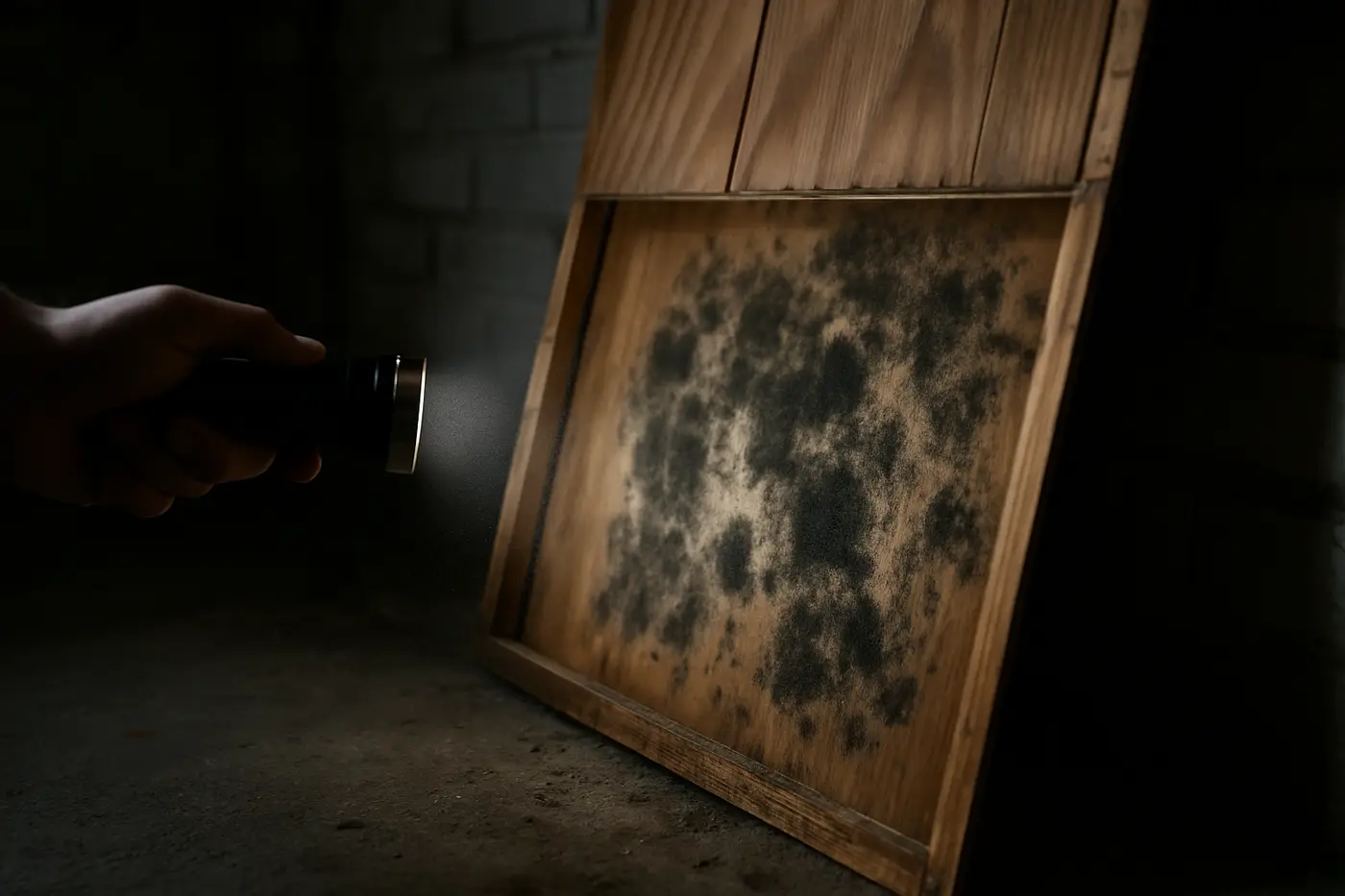
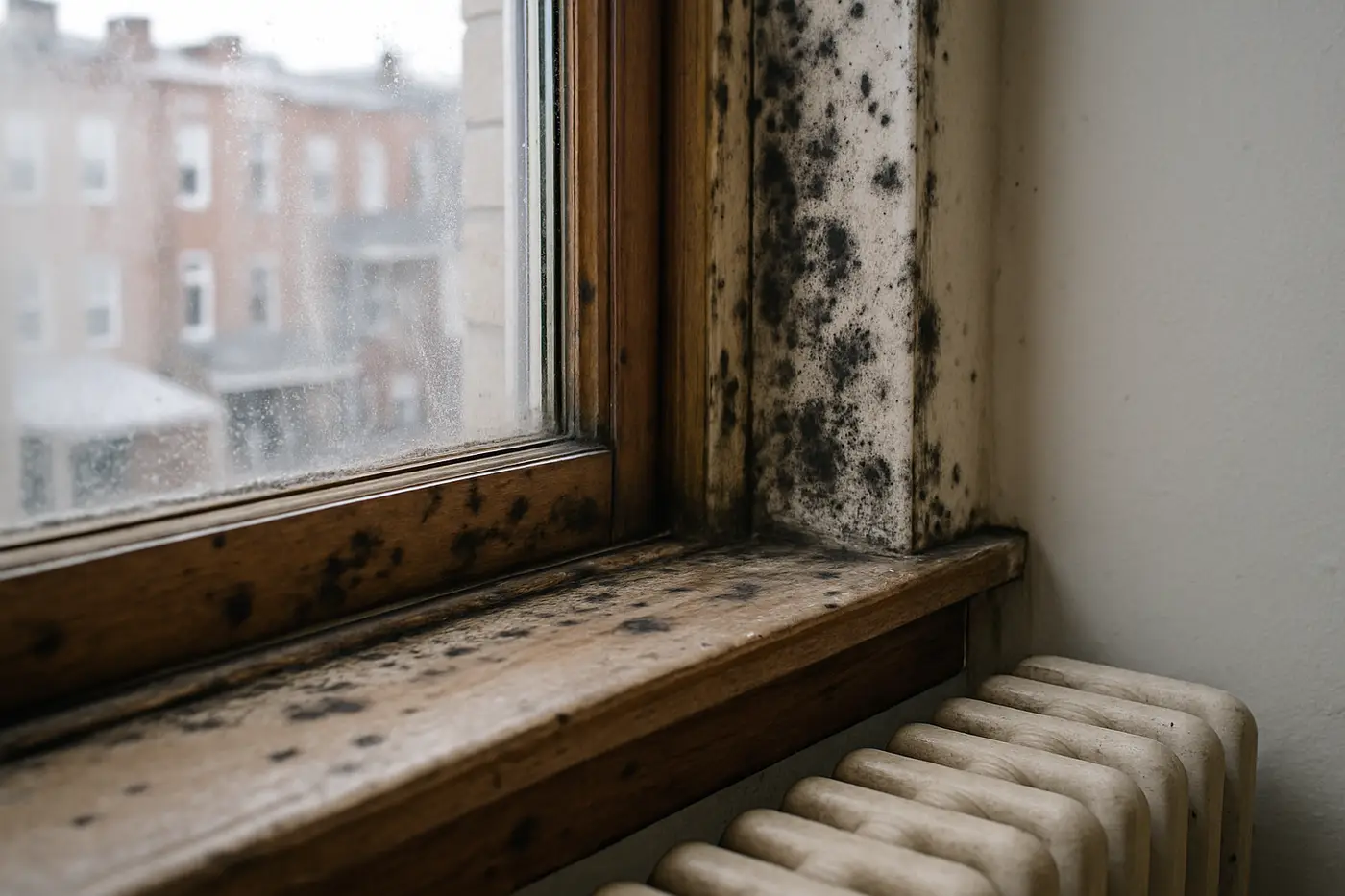
- Document it. Dated photos of the growth, the room, and anything nearby that looks like a source: a stain, a soft spot, a window that sweats, a fan that does not pull a tissue to the grille. Note the size of the patch, when you first noticed it and whether it follows rain. If anyone in the household has symptoms, keep a simple log with dates.
- Notify the landlord in writing. Email or letter, not a text or a phone call alone. State what you found, where, when, and what you think is causing it. Ask for a date by which someone will inspect. Keep a copy. This is the single most useful thing a tenant can do, because everything that follows depends on the notice having been given.
- Control the moisture you control. Run the bath fan during and 20 minutes after showers. Wipe condensation off windows and sills. Pull beds, dressers and stacked bins a few inches off exterior and party walls. Do not dry laundry in a closed room. In a basement apartment, a dehumidifier set to 50 percent is worth its running cost.
- Do not disturb it. No scraping, sanding, wire brushing or bleach on drywall, plaster or wood. That spreads spores through the unit, and it removes the evidence of how large the area was. A patch under about 10 square feet on tile or another hard surface can be washed with detergent while wearing an N95 and gloves; report it anyway, because the moisture behind it is the landlord’s to fix.
- Escalate through 311 if nothing happens. Philadelphia’s property maintenance code treats persistent dampness and mold as a housing condition L&I can inspect. Call 311, keep the service request number, and give the inspector your written notices and photos. L&I can cite the underlying leak or ventilation problem and order it fixed.
- Get advice before withholding anything. What the implied warranty of habitability lets a tenant do in a specific case depends on the lease and the facts. Talk to a tenant resource or a lawyer before withholding rent, paying for repairs yourself or breaking the lease.
- Protect vulnerable people. Anyone with asthma, allergies or a weakened immune system, and infants, should not sleep in a room with active growth. See a doctor if symptoms line up with time spent in the unit.
Our guide to spotting hidden mold in a Philadelphia rowhome covers the places to check when the smell is there but the growth is not visible.
What landlords should do
- Respond in writing and inspect within days. A dated reply that says when you will be there, and then being there, settles most disputes before they start.
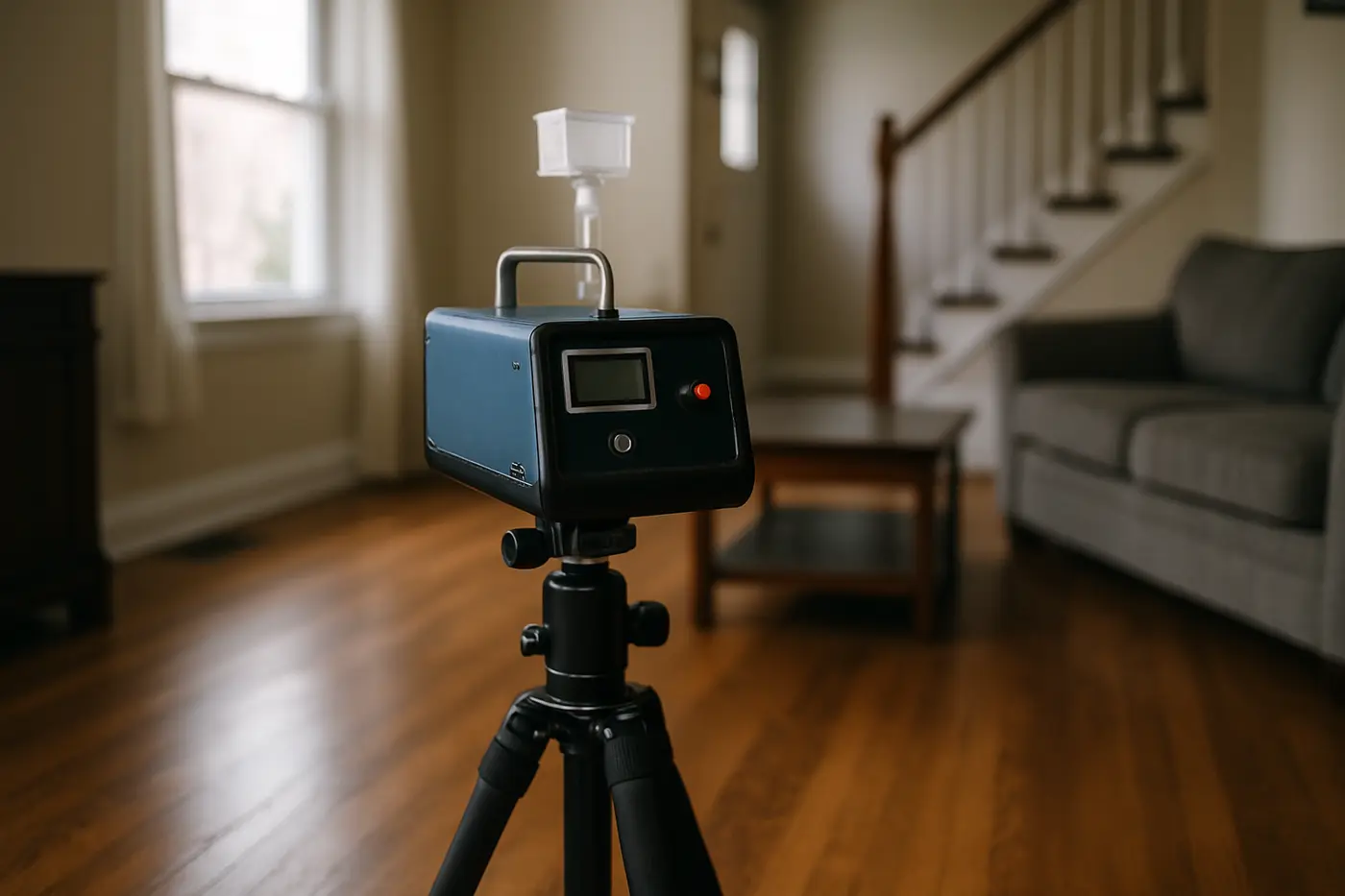
- Find and fix the moisture. Remediation without a moisture fix is money spent on a patch that comes back. The usual suspects in a Philadelphia rental: a flat-roof seam or drain, a party-wall leak from next door, an upper-unit tub surround or supply line, a bath fan ducted into the attic or a joist bay, failed bay-window flashing, basement seepage through a stone foundation, or a window AC unit dripping into a wall. A mold inspection with moisture mapping at $250 to $500 identifies the source and the extent and is credited against remediation.
- Get a written scope. The scope should name the source repair, the containment area, what is removed and what is cleaned, and how the result will be verified. If you can see or smell the mold, lab sampling before the work is usually unnecessary under EPA guidance; the scope is what matters.
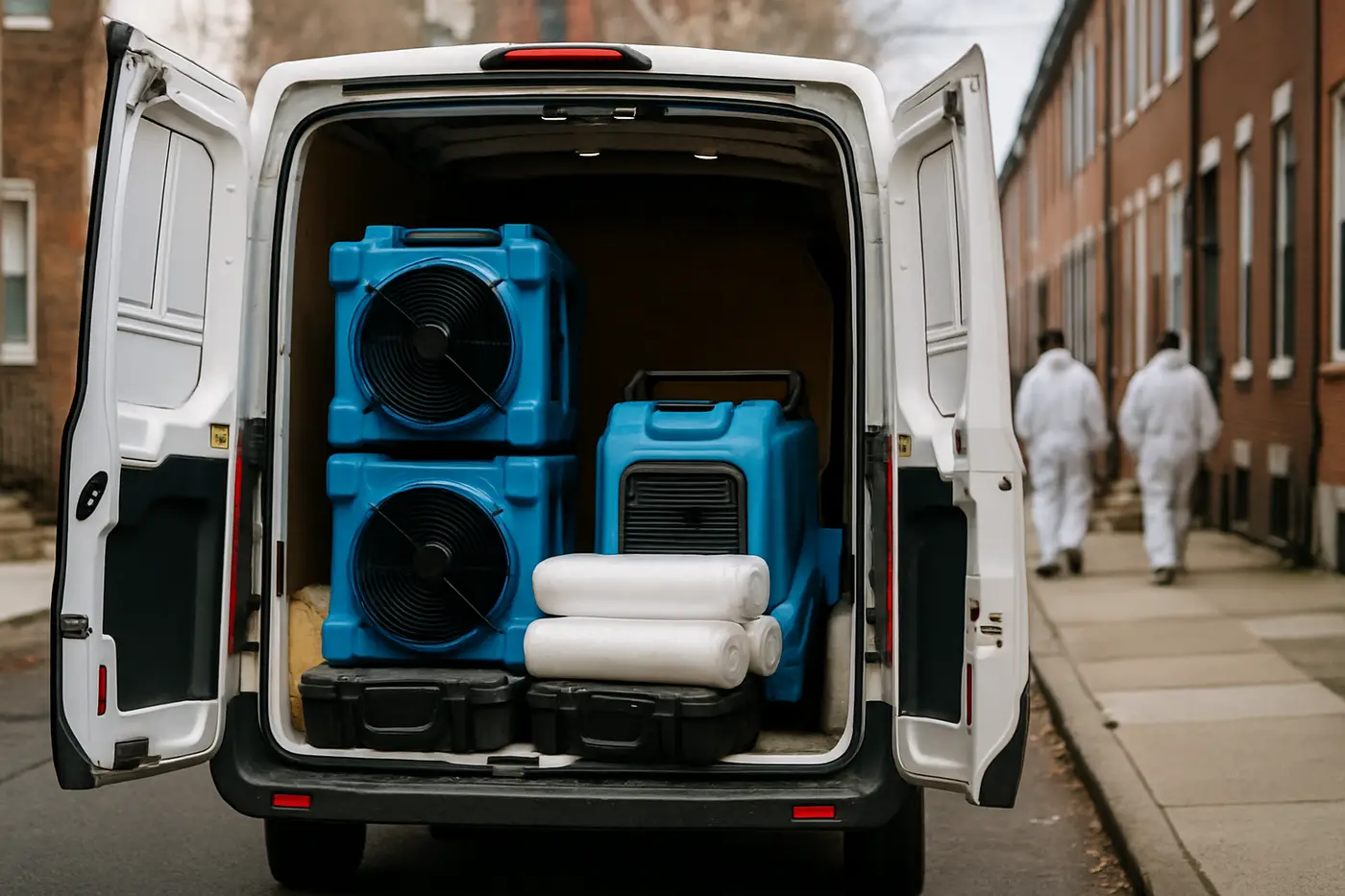
- Remediate to the S520 standard. Containment with plastic sheeting and negative air, HEPA air scrubbers, removal of colonized porous material such as drywall, insulation and carpet pad, HEPA vacuuming and antimicrobial treatment of what stays, and post-remediation verification. Pennsylvania has no mold license, so the standard followed and the paperwork produced are your protection as much as the tenant’s.
- Use one report for the whole building. In a converted rowhome, an upper-unit leak affects every unit below it. One inspection that covers all affected units and the basement produces one scope and one set of documents, which is easier to act on and easier to explain to tenants.
- Verify independently. Clearance testing by a third-party hygienist at $300 to $700 gives you a report the tenant did not have to take your word for.
- Keep the file. The tenant’s notice, your reply, the inspection report, the moisture repair invoice, the remediation scope and invoice, and the clearance report. That is what you show an L&I inspector, a disputing tenant or a buyer. Rebuild after remediation runs $1,000 to $5,000 per room.
| Task | Tenant | Landlord |
|---|---|---|
| Photograph and date the growth | Yes | Yes, at inspection |
| Written notice of the problem | Yes | Written reply with a date |
| Run bath fan, manage condensation, move furniture off walls | Yes | Provide a working, ducted fan |
| Find and repair the moisture source | Report leaks immediately | Yes |
| Order inspection and written scope | No | Yes ($250 to $500, credited) |
| Remediation to S520 | No | Yes |
| Independent clearance testing | Can request | Yes ($300 to $700) |
| Report to 311 if unresolved | Yes | Respond to L&I |
| Keep the documents | Copies of notices | Complete file |
The warranty of habitability, in general terms
Pennsylvania landlords owe tenants an implied warranty of habitability. In plain language, the unit has to be fit to live in, and conditions such as ongoing water intrusion, persistent dampness and mold can bear on whether it is. Pennsylvania has no statewide mold statute that defines an acceptable mold level or a required remediation procedure, and there is no federal standard for airborne mold either. That is why the documented standard of the work carries so much weight.
How the warranty applies to a particular lease, a particular unit and a particular set of facts, and what remedies a tenant has, is a legal question. We do not give legal advice, and this article does not replace a conversation with a tenant or landlord attorney or a legal aid organization.
Converted rowhomes and University City student rentals
Two housing types account for a large share of the rental mold calls we get.
The converted rowhome. A two- or three-story brick rowhome in South Philadelphia, Fishtown or Germantown, divided into two or three apartments, sometimes with a basement unit. One flat roof, one party wall on each side, one stone or concrete basement, and plumbing stacked vertically through all of it. A leak at the top travels down. The basement unit is the wettest place in the building all summer, with relative humidity above 60 percent unless something is running to control it. If you rent one of these out, the basement dehumidifier and the roof coating schedule are not optional.
The University City student rental. Large Victorian twins and porch-front rowhomes on the streets west of campus, divided into four to eight bedrooms, with a shared kitchen and one or two bathrooms serving everyone. Eight people showering through a single fan that vents into the attic, window AC units dripping into the frames, a basement bedroom nobody should be sleeping in, and turnover every August that resets the reporting clock. The typical call is a musty bedroom closet on an exterior wall in early fall, and by the time we open it the growth is behind the drywall. Landlords in University City should inspect between tenants every summer, run the fans on humidity-sensing switches and treat the basement as a mechanical space, not a bedroom. See our residential mold remediation page for how multi-unit jobs are scoped.
What it costs and who usually pays
Remediation of the building is normally the landlord’s cost, as with any other repair. Tenant belongings fall under the tenant’s renter’s policy, if there is one. A landlord’s property policy generally covers mold that follows a sudden and accidental water loss, under a sublimit, and excludes mold from long-term leaks, seepage or humidity, which describes most rental mold. Check the policy rather than assuming.
The ranges we work from: a small contained area such as a bathroom ceiling or closet, $500 to $1,500; a single room such as a bedroom wall or bathroom, $1,500 to $4,000; a rowhome basement, $2,000 to $8,000; whole-building or multi-room work, $10,000 to $30,000 or more. Our 2026 cost guide breaks these down and the full list is on the pricing page.
Key takeaways
- Tenants: photograph, notify the landlord in writing, keep copies, control the moisture you can, do not scrape or bleach porous surfaces.
- If a written notice goes nowhere, 311 and L&I can inspect persistent dampness and mold as a housing condition.
- Landlords: reply in writing, find and fix the water source, get a written scope, remediate to the S520 standard, verify independently, keep the file.
- Pennsylvania landlords owe an implied warranty of habitability; how it applies to your case is a question for a lawyer.
- Converted rowhomes need one report covering every affected unit; University City student rentals need an inspection every summer turnover.
- Small contained area $500 to $1,500, single room $1,500 to $4,000, basement $2,000 to $8,000, clearance testing $300 to $700.
Whether you are the tenant with the photos or the landlord with the building, send the form or call us. A scheduled visual inspection with a written estimate is free, and the scope we write is one both sides can read.