About Mold Remediation PHL
Remediation technicians
who measure before they remove.
A Philadelphia-based mold remediation team covering every section of the city. Basements, attics, bathrooms, black mold, commercial spaces and the water damage that started it.
Who we are
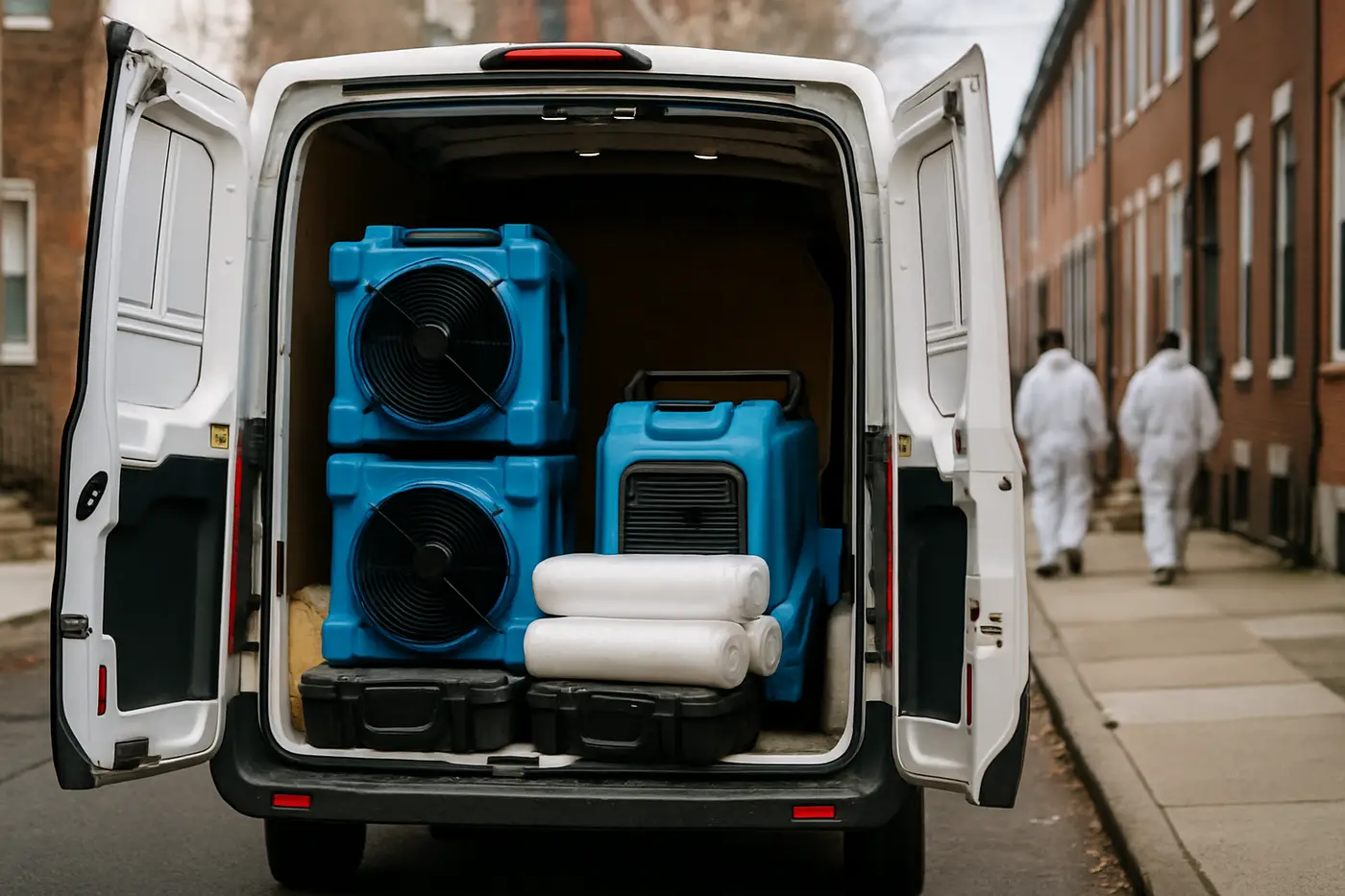
Mold Remediation PHL is a team of remediation technicians based in Philadelphia. We find the moisture, contain and remove the growth, dry the structure and document every step for homes, rentals, condo buildings and businesses, working to the IICRC S520 and S500 standards.
One accountable team
One coordinator from the first call to the clearance report, so you, your insurer and your landlord or buyer get one story and one file.
Our mission
To find the water, remove the growth safely and hand every property owner a dry, verified space with a written record of what was done and why.
Our approach
Measure first. A Philadelphia rowhome basement with a stone foundation and a July dew point of 70 degrees outside does not need bleach and a fan. It needs the source fixed, the material removed under containment and the humidity brought under control so the growth stays gone.
- Moisture source found and corrected before any mold work starts
- Containment and negative air on every removal job
- Porous growth removed, structure HEPA cleaned and treated
- Moisture readings logged until materials reach dry standard
- Written scope, photos and clearance report for your records
Standards we work to
The same rules insurers
and hygienists expect.
Mold remediation is not licensed in Pennsylvania the way plumbing or electrical work is, so the standard a company follows is the difference between a job that holds and a smell that comes back in August.
IICRC S520
The mold remediation standard: fix the moisture first, contain the area, remove what cannot be cleaned, HEPA filter, then verify before the containment comes down.
IICRC S500
The water damage standard behind every drying job: water categorized, moisture mapped, equipment sized to the load, readings taken until dry.
EPA guidance
If you can see or smell mold, sampling is usually unnecessary. Small areas can be cleaned by the occupant once the moisture is fixed; larger areas and sewage need professional remediation.
Independent verification
Pennsylvania has no state mold license. The standard we follow and the third-party clearance you can order are your protection, so we never grade our own work.
How we work
Four steps, the same
on every job.
A closet ceiling in Queen Village and a flooded basement in Manayunk are very different jobs, but the sequence does not change. That is what makes the outcome predictable.
Contact & triage
Tell us what you see or smell, where it is and whether anything is still wet. Active water and multi-unit jobs go to the front of the queue.
Inspect & map moisture
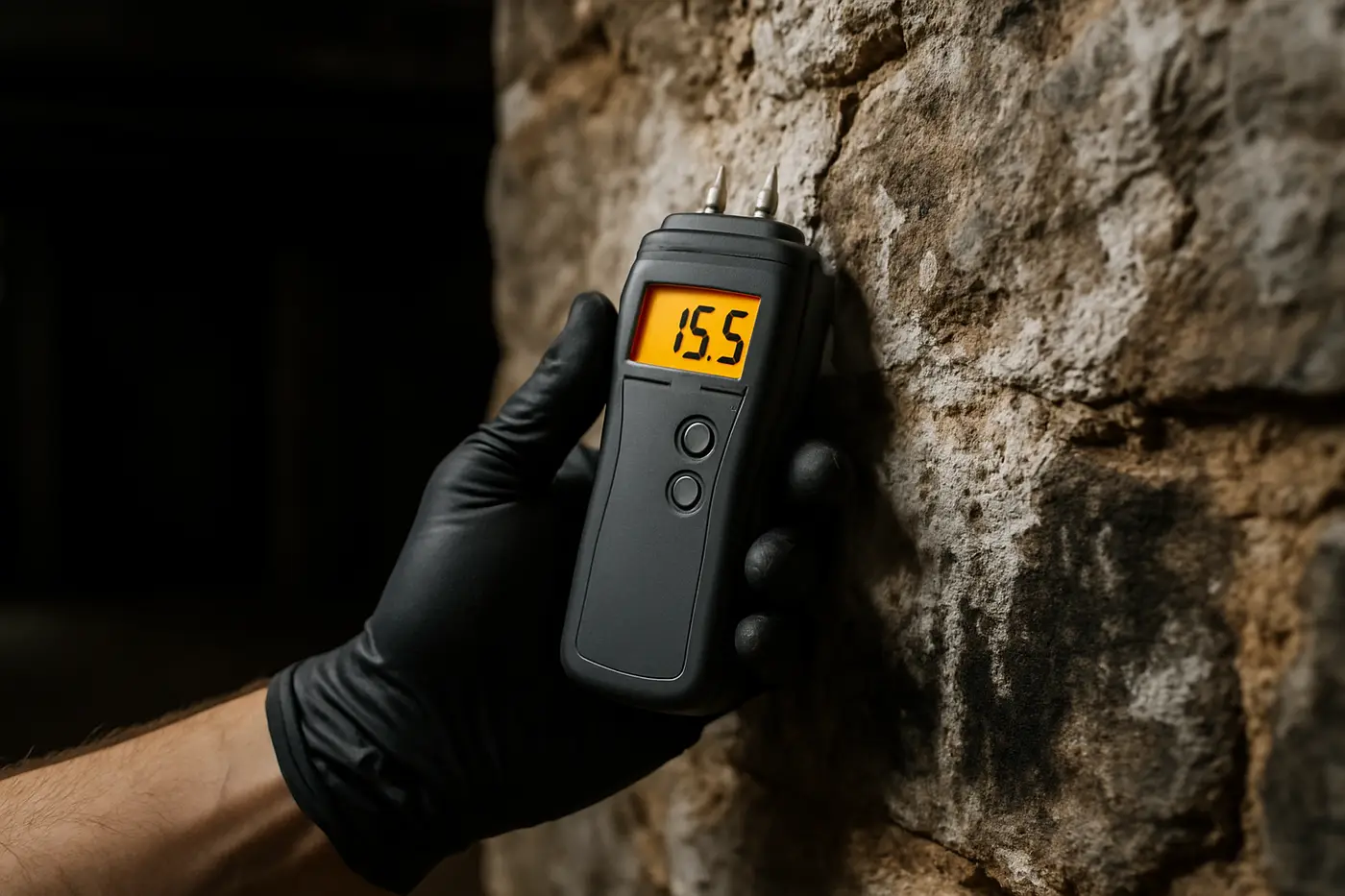
Moisture meters, a thermal camera and a hygrometer find the source and the real extent, which is almost always larger than the stain.
Contain & remove
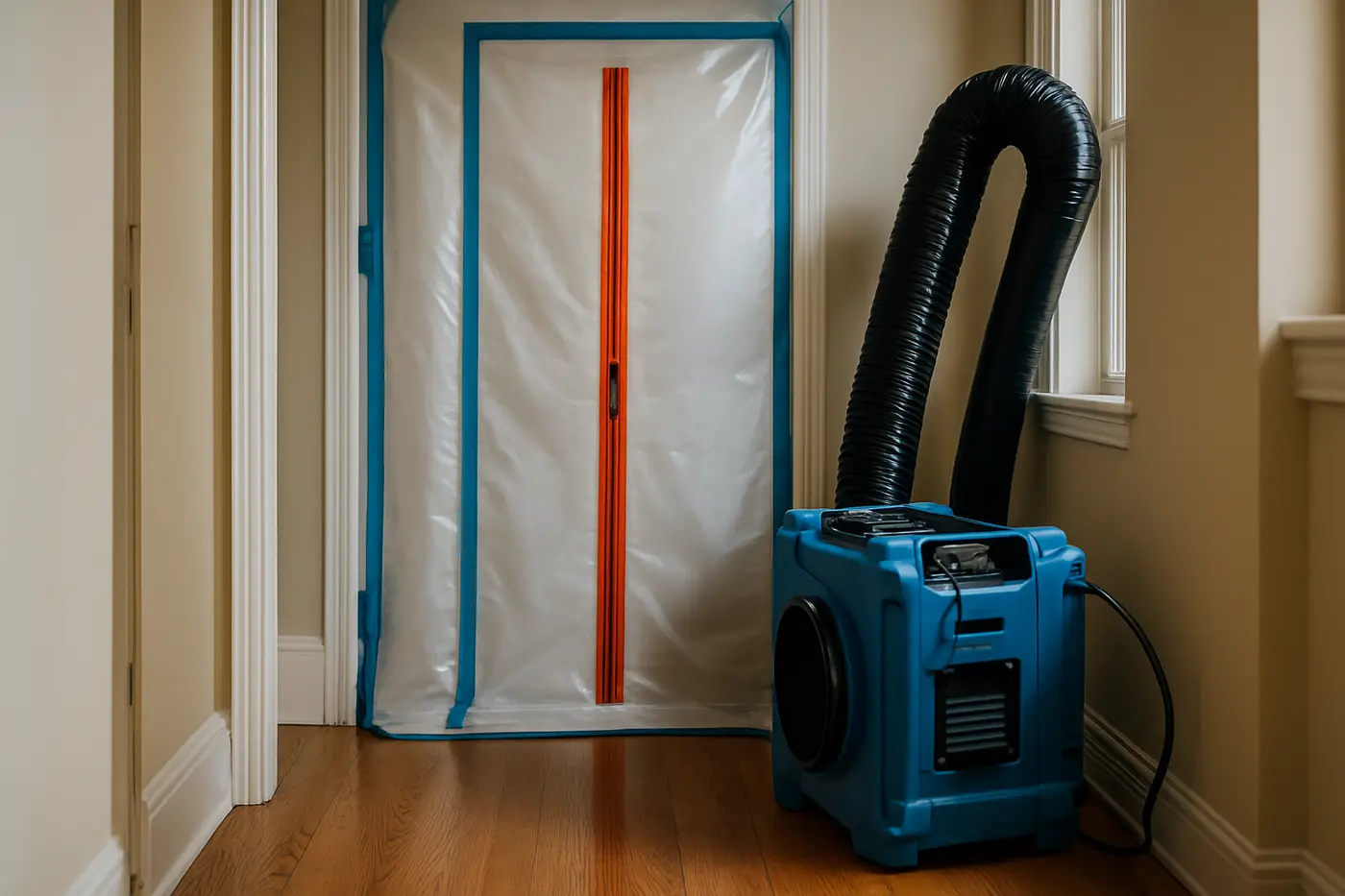
The area is sealed under negative air. Porous growth comes out bagged; framing, masonry and subfloor are HEPA vacuumed, cleaned and treated.
Dry, verify & rebuild
The structure is dried to its dry standard, verified visually and by meter, cleared independently if you choose, then rebuilt.
What to expect
Clear information at
every stage.
Most people deal with mold once or twice in their life. You should not need to understand relative humidity to know what is happening in your own house.
Straight answers on site
Whether a wall is a wipe-down or a strip-out is decided after moisture mapping, and we tell you which way it went and why.
Prices from a published guide
The ranges on our pricing page apply across Philadelphia. Every job is scoped in writing before work starts.
Documentation that travels
Dated photos, moisture readings, a scope of work and a clearance report, in the format adjusters, landlords and buyers expect.
Respect for the property
Contents protected, containment that actually seals, equipment placed to dry the structure rather than to look busy, and removed when the readings say so.
What we will not do
Five things you will not get from us.
Most of the bad outcomes we get called to fix started with one of these. Putting them in writing keeps us honest and tells you what to watch for elsewhere.
See the price guideQuote from a phone description
Mold is priced on what the moisture meter finds behind the surface, not on the size of the spot. We scope on site, and the scheduled visual inspection is free.
Spray and paint over growth
Bleach on drywall and a coat of stain-blocking paint hides the problem for a season. Growth inside porous material is removed, not disguised.
Sell you tests you do not need
If you can see or smell mold, we say so and skip the sampling. When testing is worth it, we recommend an independent hygienist so the results are not ours to grade.
Leave the moisture for later
Remediation without fixing the roof seam, the party wall or the basement humidity is a repeat visit waiting to happen. The source is part of every scope.
Invent credentials
No made-up star ratings, years in business, job counts or licenses on this site. What you see is how we work; the rest you can judge on the job.
Key facts
- 24/7 Emergency Response
- IICRC S520 Remediation Standard
- Written Scope Before Work Starts
- Independent Clearance Testing
- Residential & Commercial
Ready when you are
Let's take the next step toward a dry, healthy property.
Tell us what you see or smell, where it is and whether anything is still wet. A remediation coordinator will explain what to do next and what your adjuster will need.