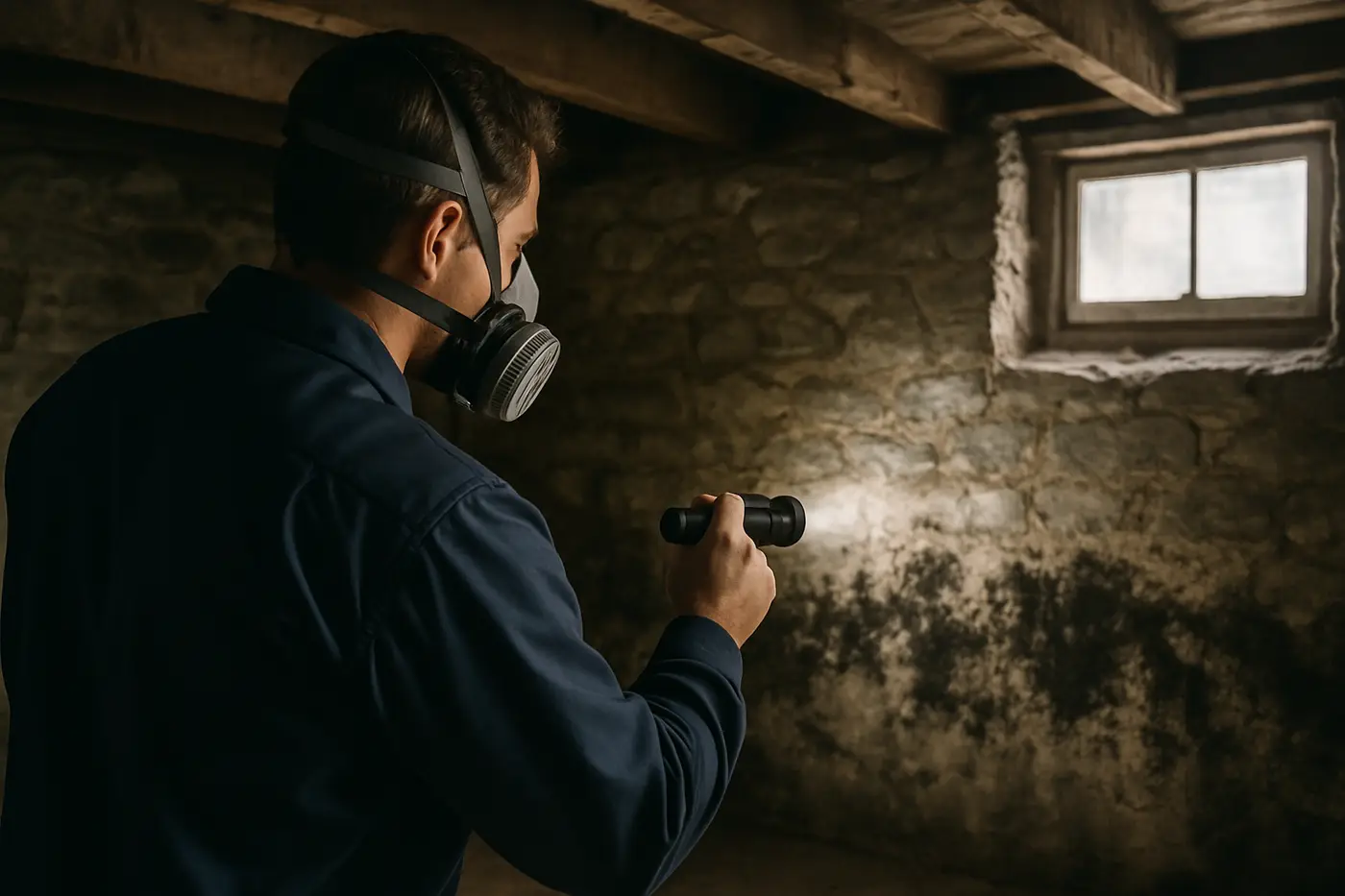
24/7 emergency response · Philadelphia, PA
Mold Remediation
& Removal in
Philadelphia, PA.
Moisture correction, containment, HEPA filtration and removal to the IICRC S520 standard for rowhomes, apartments and businesses across the city, with a written scope before work starts and independent clearance testing when you want proof.
- 24/7 Emergency Response
- IICRC S520 Remediation Standard
- Residential & Commercial
Request a Mold Assessment
24/7
Emergency response for active water
S520
IICRC mold remediation standard followed
30–55 min
Typical arrival across Philadelphia
Written
Scope and price before work starts
About us
Fixing the moisture, removing the mold, proving it is gone. We help Philadelphia homes and businesses recover from mold with clear answers, careful containment and documentation from inspection to clearance.
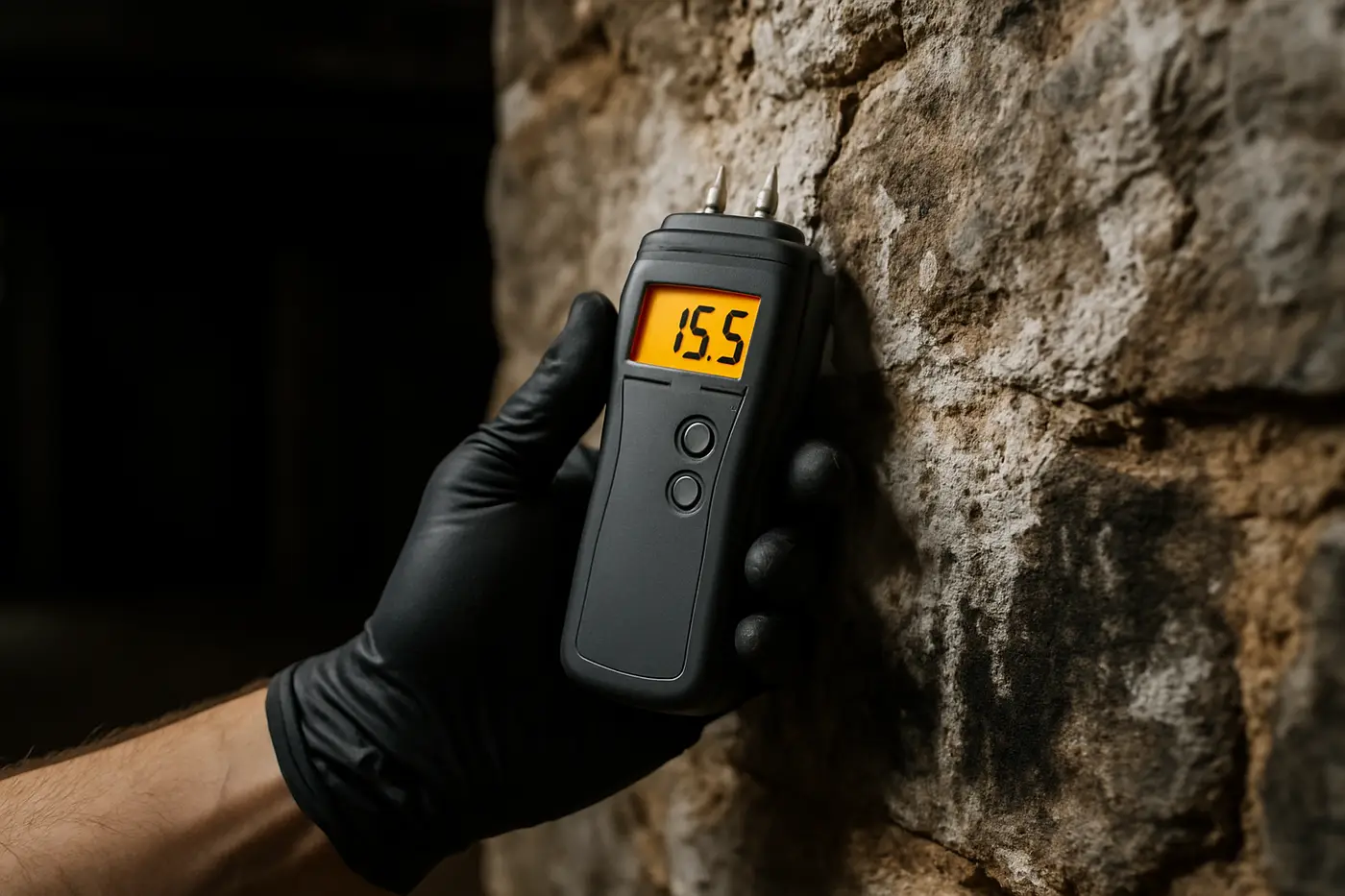
One accountable team
Inspection, containment, removal, drying and rebuild coordinated under one process and one coordinator.
Our mission
To find the water, remove the growth safely and hand every property owner a dry, verified space with a written record of what was done and why.
Our approach
Measure first. A Philadelphia rowhome basement with a stone foundation and 70 degree dew points outside does not need bleach and paint; it needs the source fixed, the material removed under containment and the humidity brought under control.
- Moisture source found and corrected first
- Containment and negative air on every job
- HEPA filtration, removal and antimicrobial treatment
- Moisture readings logged until dry standard
- Independent clearance testing on request
Mold remediation services
Choose the help your
property needs.
Every mold problem starts with water somewhere. Our team matches the inspection, containment and removal to where the growth is and what got wet, in any Philadelphia home or business.
- 01 · Most requested
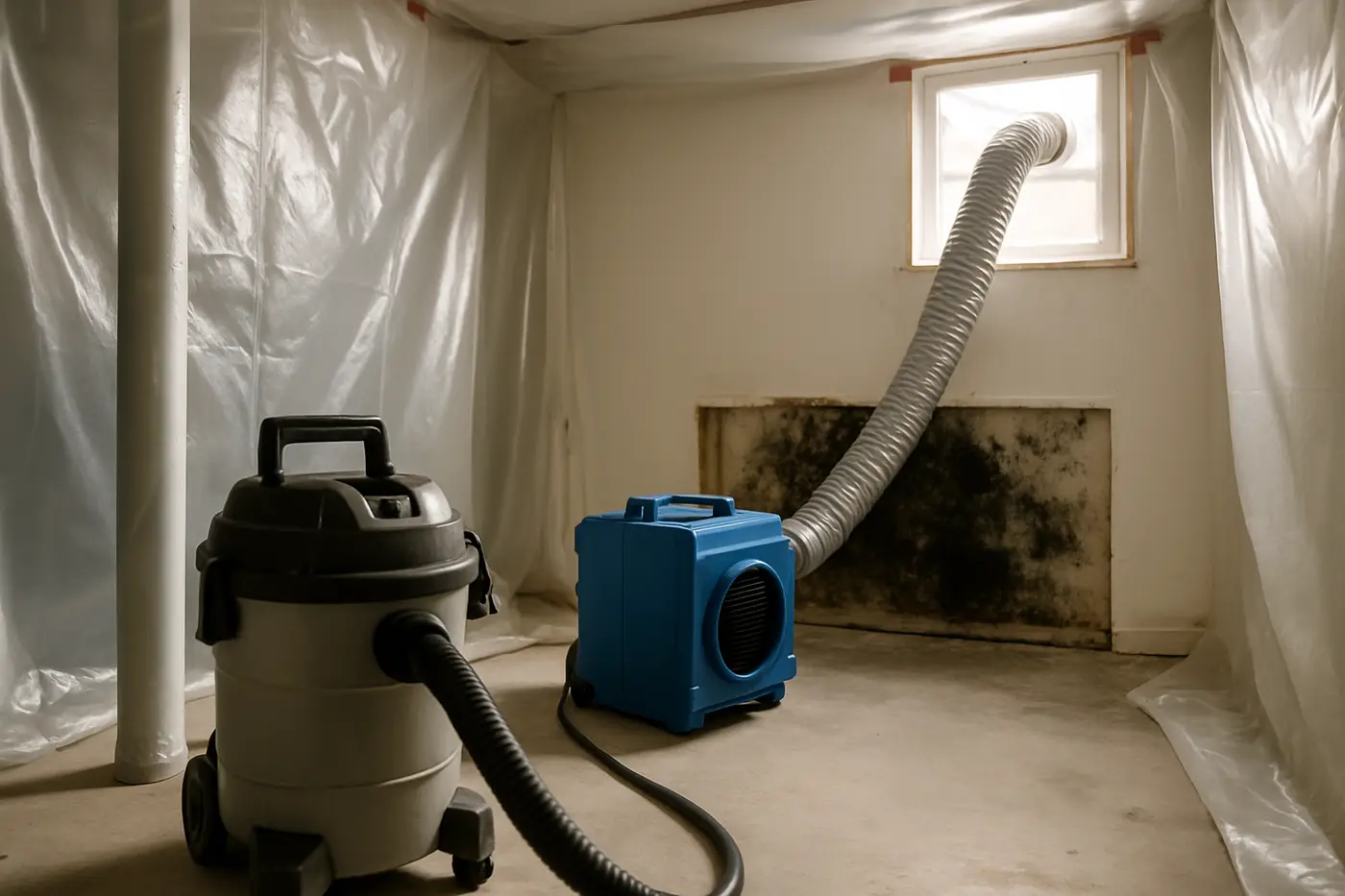
Mold Remediation
Moisture correction, containment, negative air, HEPA filtration and removal of affected materials to the IICRC S520 standard.
Learn More - 02
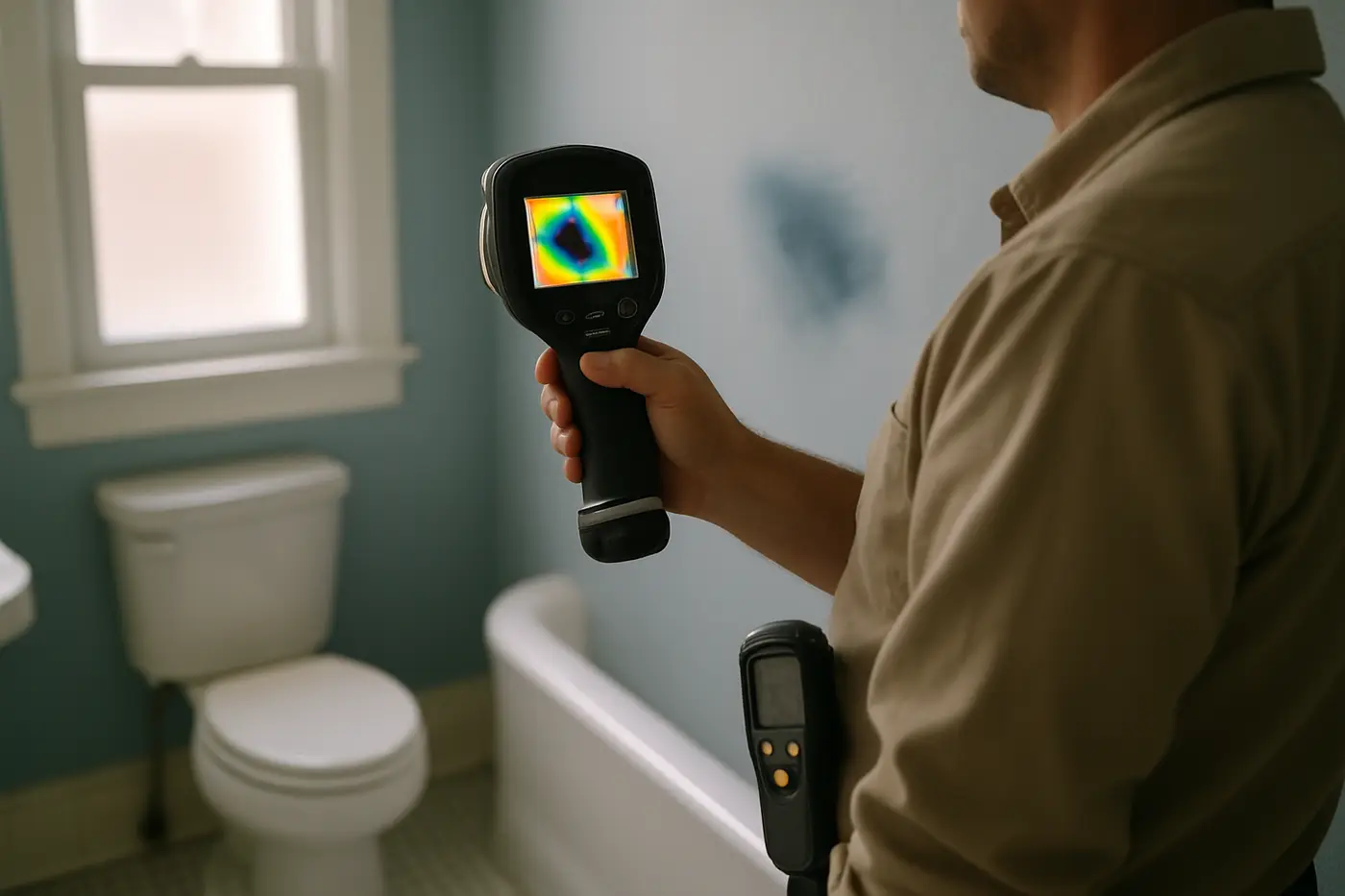
Mold Inspection & Testing
Visual inspection, moisture mapping and thermal imaging, with independent lab sampling only when it changes the decision.
Learn More - 03
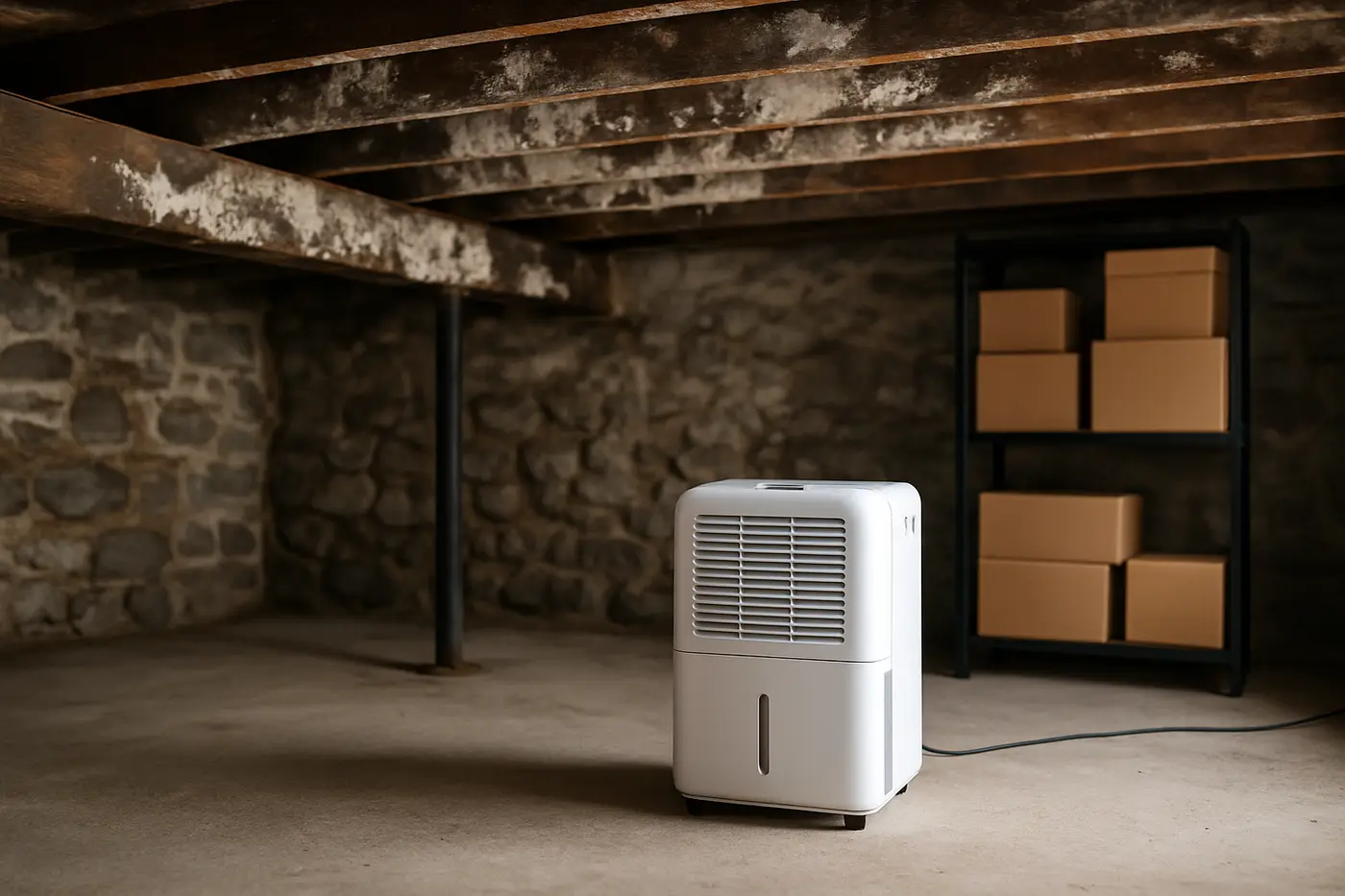
Basement Mold Remediation
Stone foundations, damp slabs and humid summer air: remediation plus the dehumidification and sealing that keep it from returning.
Learn More - 04
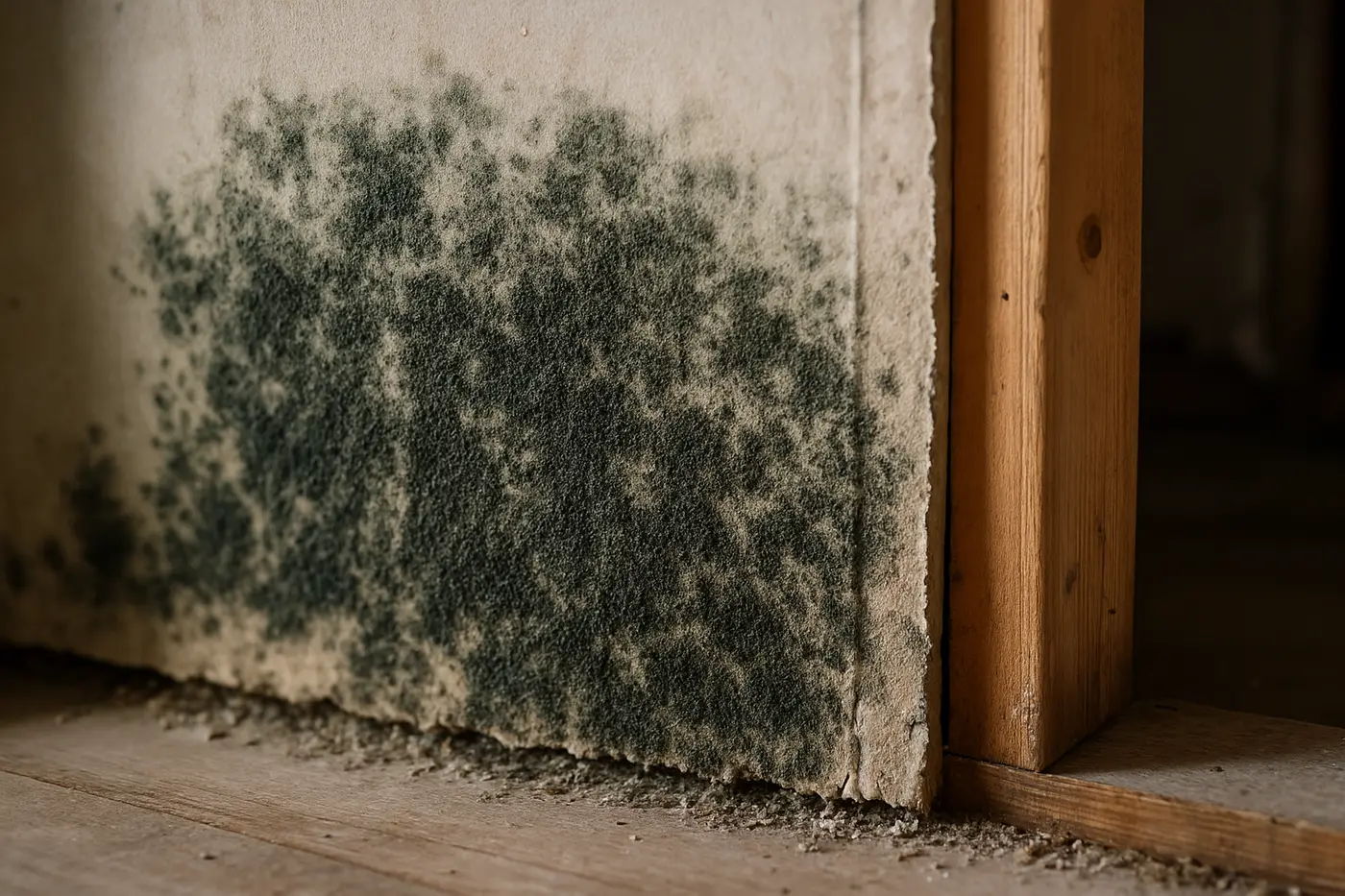
Black Mold Removal
Heavy or dark growth on wet drywall, wood and cardboard handled under full containment, PPE and negative air.
Learn More - 05
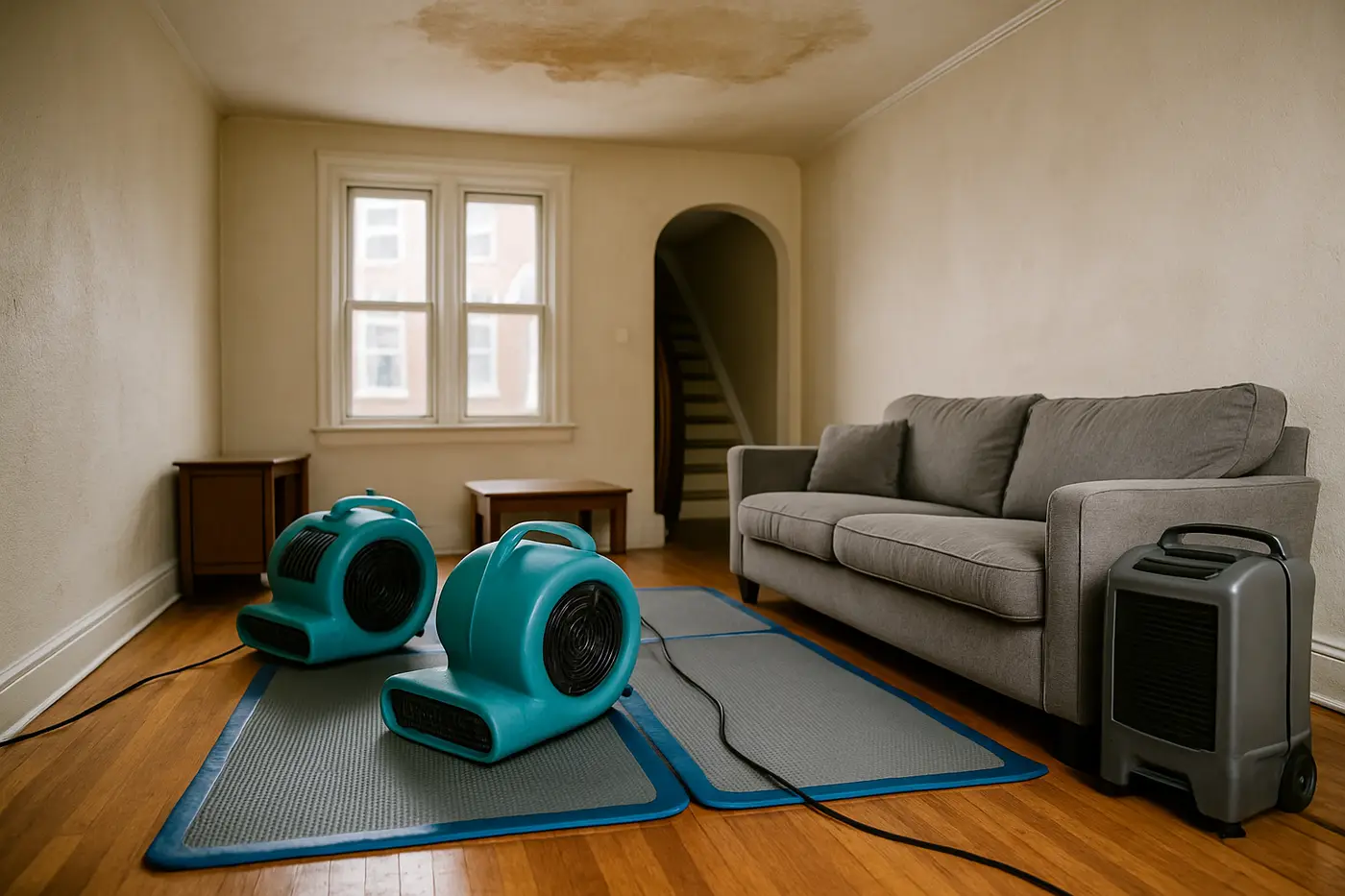
Water Damage Restoration
Extraction, moisture mapping and structural drying to IICRC S500 inside the 24 to 48 hour window before mold takes hold.
Learn More - 06
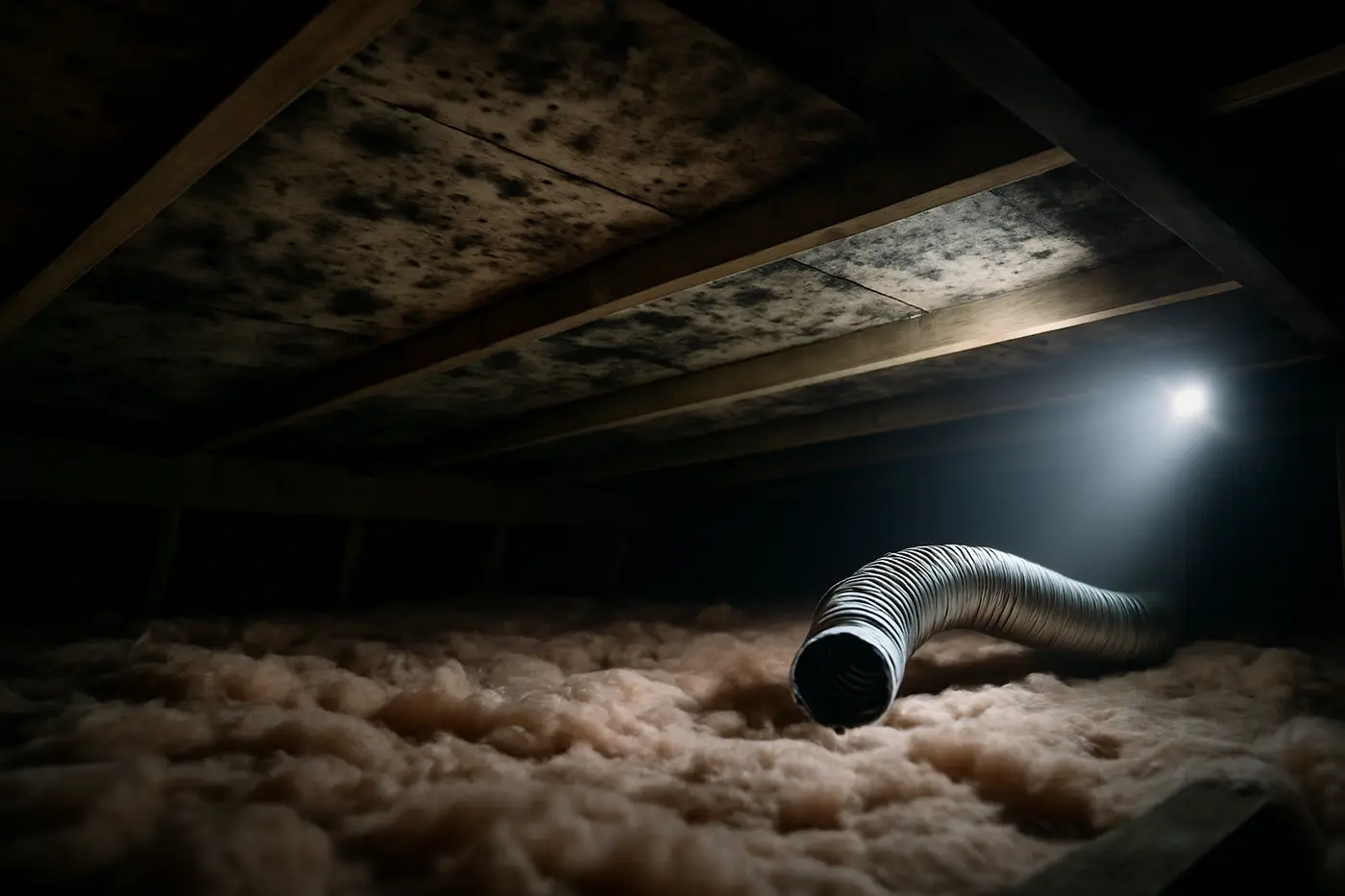
Attic & Crawl Space Mold Removal
Roof-seam leaks, bath fans venting into the attic and damp crawl spaces under rear additions: removal, ventilation fixes and vapor barriers.
Learn More
Why choose us
Remediation that holds,
not a coat of paint.
Successful mold remediation takes more than a spray bottle. It takes moisture documentation, containment that actually seals, trained technicians and a process that protects the rest of the building at every stage.
Moisture First
Mold is a symptom. We meter walls, floors and framing and find the roof seam, party wall or foundation that is feeding it before anything is removed.
Real Containment
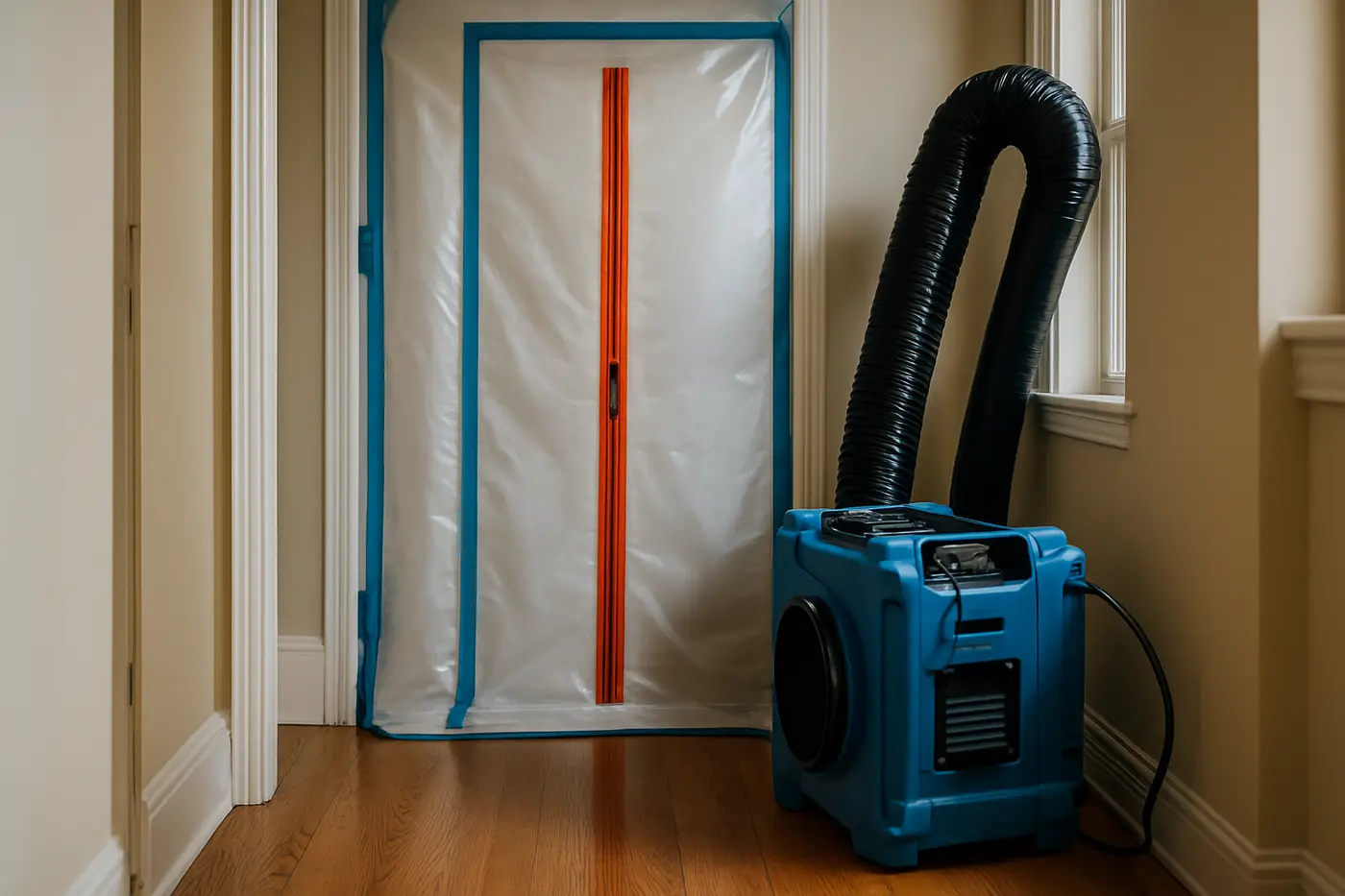
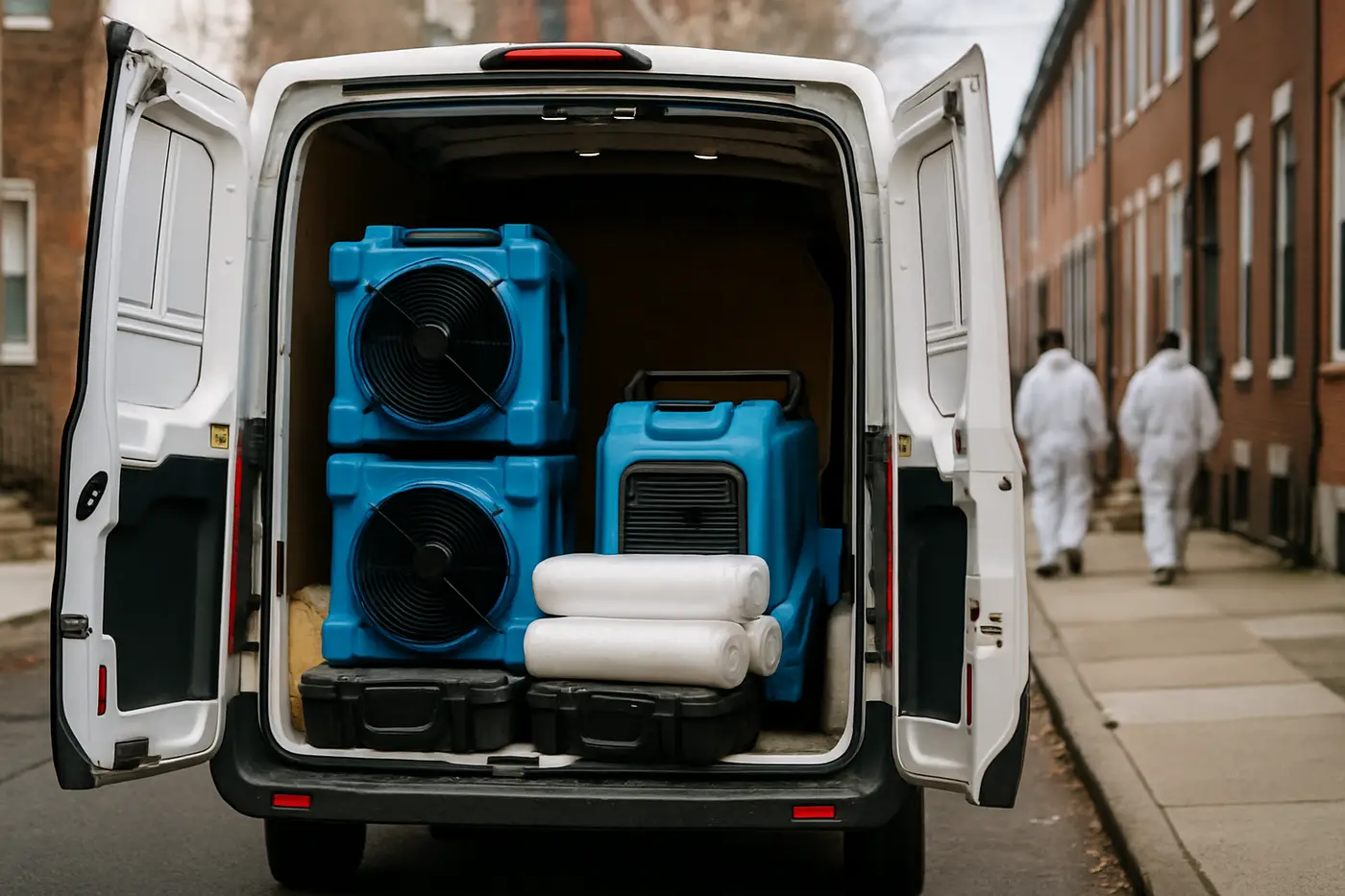
Poly sheeting, zippered access and HEPA air scrubbers under negative pressure, so spores go into the filter and not into the rest of the house.
Documented Work
Dated photos, moisture logs and a written scope in the format adjusters, landlords, buyers and property managers expect.
Verified Clean
Containment stays up until a visual check, dry moisture readings and, where you want it, an independent hygienist confirm the area is clean.
Our process
Calm guidance when the
situation feels uncertain.
The same four stages on every job, whether it is a closet ceiling in Queen Village or a flooded basement in Manayunk. That is what makes the outcome predictable.
Contact & Triage
Tell us what you see or smell, where it is and whether anything is still wet. Active water and multi-unit jobs go to the front of the queue.
Inspect & Map Moisture
Moisture meters, a thermal camera and a hygrometer find the source and the real extent of the growth, which is almost always larger than the stain.
Contain & Remove
The area is sealed under negative air. Porous materials with growth come out bagged; framing, masonry and subfloor are HEPA vacuumed, cleaned and treated.
Dry, Verify & Rebuild
The structure is dried to its dry standard, verified visually and by meter, cleared by an independent tester if you choose, then rebuilt.
Is the water still active right now?
Wet drywall and wood give you 24 to 48 hours before mold takes hold. Stop the source if it is safe, then call for guidance on drying, containment and the next step.
Request an AssessmentWho we help
Mold support for homes,
businesses & properties.
The same growth creates very different priorities depending on who lives or works there and how fast the space has to be back in use.
- Homeowners
- Landlords
- Buyers & Sellers
Help your family get back to a dry, healthy home.
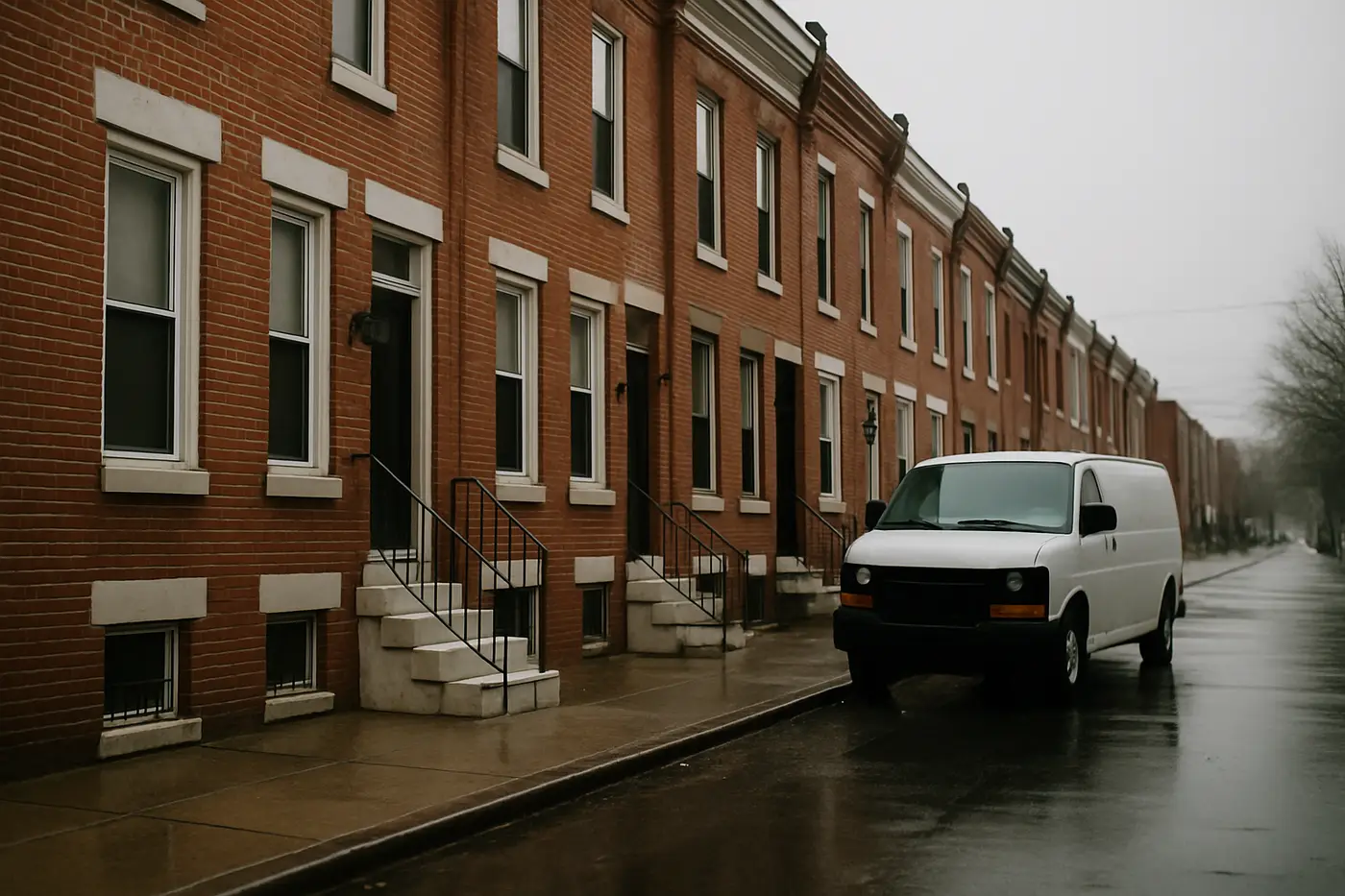
Rowhome basements, bathrooms, attics and the wall behind the sofa: clear answers, careful crews, one coordinated plan from inspection to clearance.
Residential mold remediation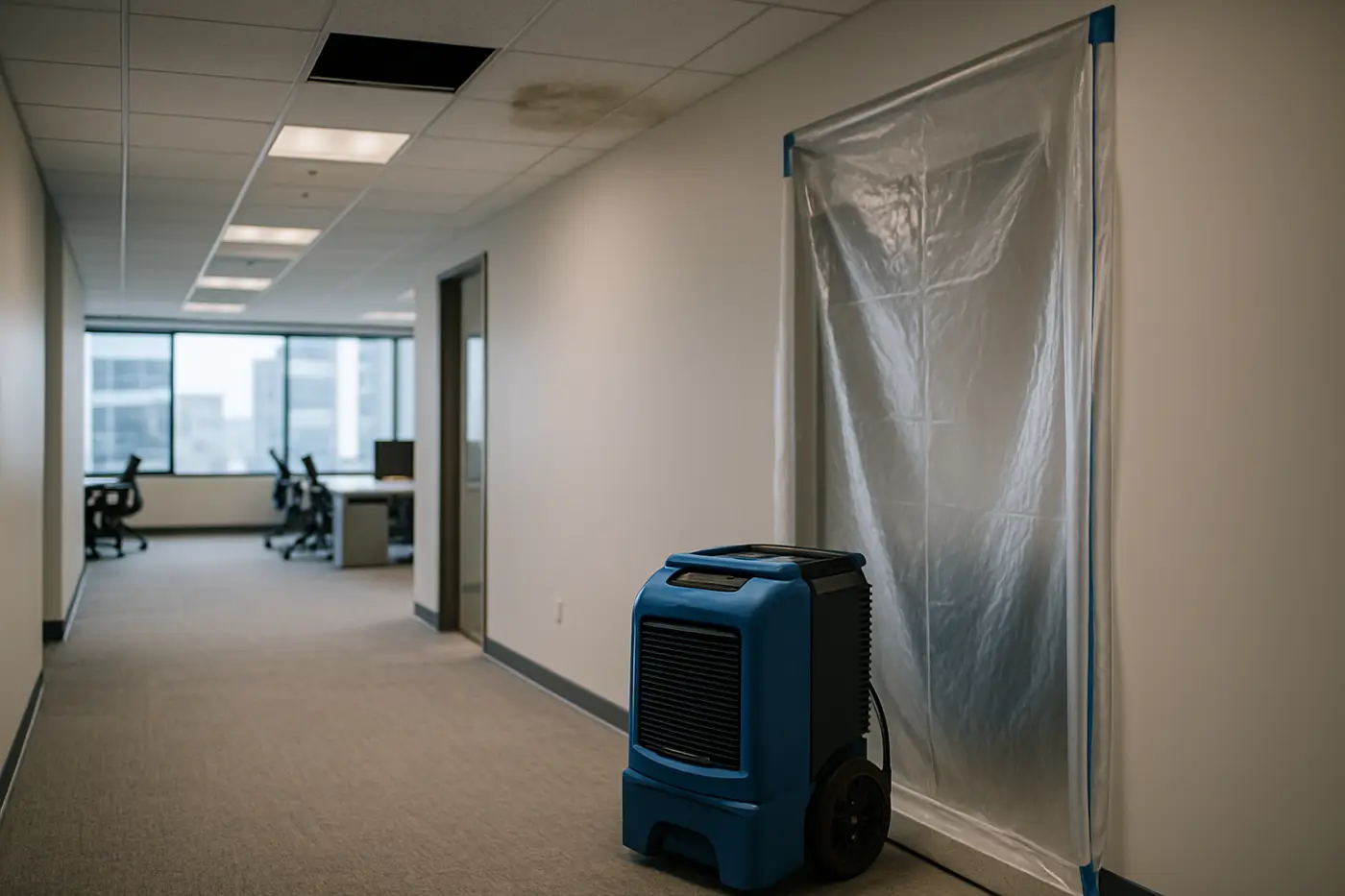
- Property Managers
- Retail & Offices
- Multi-Unit Buildings
Protect tenants, operations and the building.
Phased containment that keeps the business open, after-hours work where it matters, and one report that satisfies the association, the tenants and the insurer.
Commercial mold remediation
Service areas
Local crews ready across Philadelphia.
Mold Remediation PHL supports homeowners, landlords, property managers and businesses in every section of the city and the neighborhoods between them.
- Center City
- South Philadelphia
- North Philadelphia & River Wards
- Northeast Philadelphia
- West Philadelphia
- Northwest Philadelphia
Need help nearby?
Confirm service availability for your property.
Give us the neighborhood, where the mold is and whether anything is still wet. Our coordinator will confirm coverage, an arrival window and what to do while you wait.
- Request a callback Submit the short form and a remediation coordinator will call you back.
- info@moldremediationphl.com General questions, adjuster correspondence, landlord and property manager inquiries.
- Philadelphia, PA Crews across Center City, South, North, Northeast, West and Northwest Philadelphia.
What we see most
Where mold starts in
Philadelphia rowhomes.
Three locations account for most of our calls. Each one has its own water source and its own fix.
How to spot hidden mold- Basements
Stone foundations and damp slabs
Summer humidity condenses on cool masonry; growth starts on paneling, joists and stored boxes.
- Attics & roofs
Flat-roof seams and bath fans
Leaks at seams and parapets, and exhaust fans dumping steam into the attic, wet the sheathing from above.
 Bathrooms & kitchens
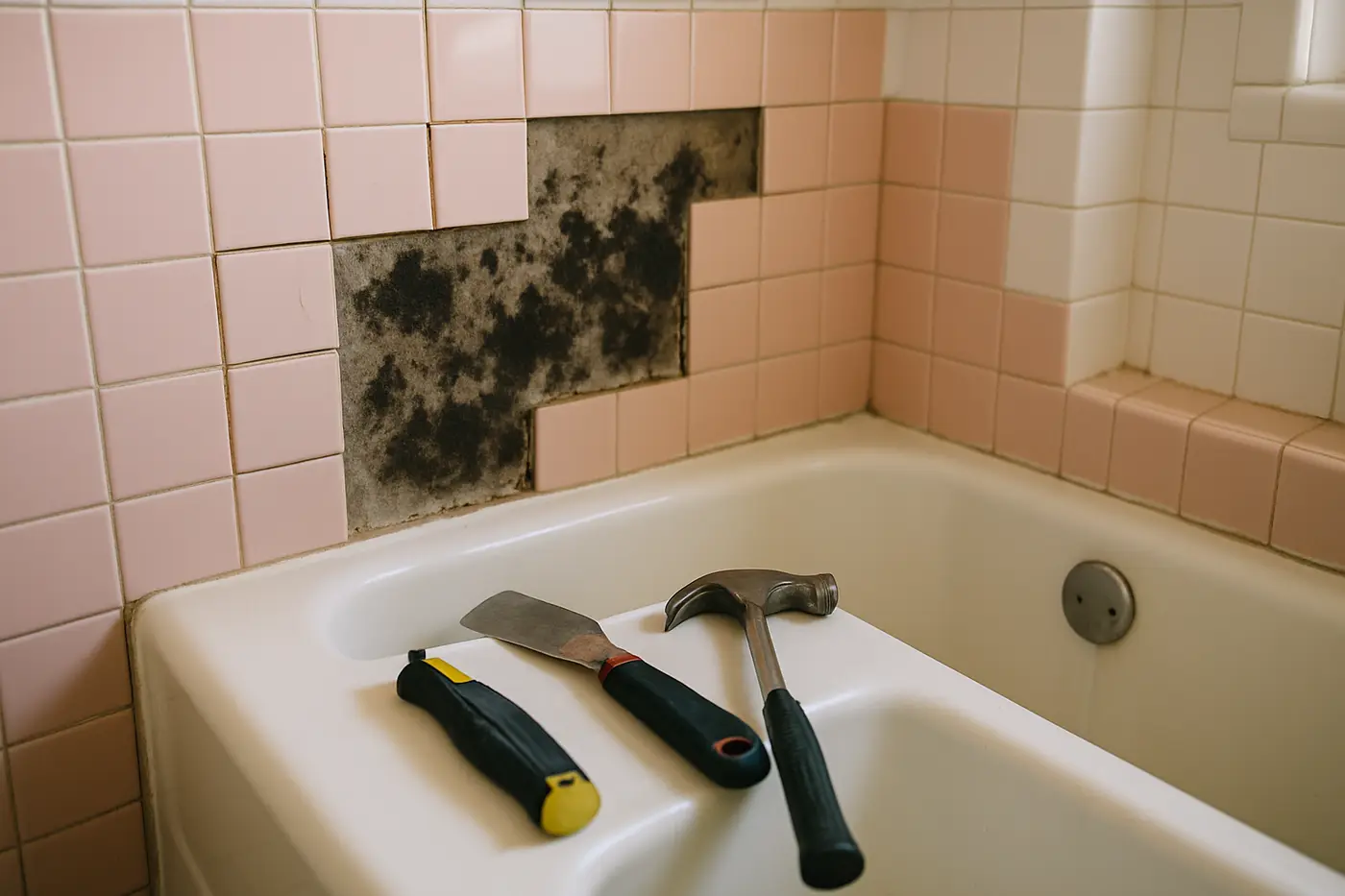
Behind tile and under sinks
Failed shower pans, tub surrounds and supply lines feed growth inside the wall long before it shows on the surface.
Common questions
Clear answers when you need them most.
Straight answers about cost, health risk, testing, insurance and what to expect during remediation.
All questionsHow much does mold remediation cost in Philadelphia?
Most Philadelphia mold remediation jobs land between $500 and $8,000, and the biggest driver is how much material has to come out. A small contained area under 10 square feet, such as a bathroom ceiling, closet or window, runs $500-$1,500. A single room with containment, negative air and removal of affected drywall runs $1,500-$4,000. A rowhome basement runs $2,000-$8,000, an attic $2,000-$7,000 and a crawl space with a new vapor barrier $1,500-$6,000. Whole-house or multi-room remediation starts around $10,000 and can exceed $30,000. Every job gets a written scope and price before work starts, and a scheduled visual inspection with a written estimate is free.
Is mold dangerous, and who is most at risk?
Mold can make people sick, and some people much more than others. Common reactions are nasal congestion, sneezing, itchy eyes, coughing, wheezing, skin irritation and headaches, and they often ease when the person leaves the house and return when they come home. The people at greatest risk are children, older adults, anyone with asthma or allergies, and anyone with a weakened immune system. EPA guidance says those households need professional remediation rather than cleanup by the occupant, even for smaller areas. Philadelphia's humid summers keep unconditioned rowhome basements above 60 percent relative humidity for months, so growth that starts in the basement feeds spores upstairs. If symptoms track with the house, get it inspected.
What does mold remediation actually involve?
Remediation to the IICRC S520 standard follows a set order. First we find the moisture source with meters and a moisture map, because remediation without fixing the water is wasted money. Second we build containment: plastic sheeting, a zipper door and negative air machines venting through HEPA filters so spores stay in the work zone. Third we remove porous materials that cannot be cleaned, drywall, insulation, carpet pad and swollen wood trim, bagged and sealed before they leave the room. Fourth we HEPA vacuum and damp-wipe the framing, masonry and remaining surfaces, then apply an antimicrobial treatment. Fifth we dry the structure to normal moisture content. Finally an independent hygienist verifies the result before we rebuild.
Do I need mold testing before remediation?
Usually not. EPA guidance is clear that if you can see or smell mold, sampling is unnecessary because the answer is already known and the fix is the same regardless of species. Testing earns its cost in three situations: when there is a musty smell but no visible growth and we need to locate it, when a doctor wants to know what a patient is exposed to, and when a buyer, seller, landlord or tenant needs documented evidence for a negotiation or a dispute. In those cases we recommend an independent lab, $75-$150 per sample, and interpret the results against outdoor samples taken the same day, since there is no federal standard for an acceptable indoor level.
Does homeowners insurance cover mold in Pennsylvania?
Sometimes, and the cause decides it. A standard HO-3 policy in Pennsylvania covers sudden and accidental water losses, such as a burst pipe, a failed water heater, an appliance supply line or storm damage that opens the roof, and mold that follows one of those losses is usually paid under a mold sublimit, commonly $5,000-$10,000 and sometimes more by endorsement. Mold from long-term leaks, seepage through a stone foundation, summer humidity or neglected maintenance is generally excluded. Fast, documented drying after a covered loss keeps the mold inside the claim. We provide dated photos, moisture readings, a written scope and, for larger losses, an Xactimate estimate, and bill the carrier directly where they approve. Check your policy for the sublimit.
Which Philadelphia neighborhoods do you cover?
All of Philadelphia, organized into six service regions, plus the inner suburbs on request. Center City covers Rittenhouse Square, Old City, Washington Square West and Fairmount. South Philadelphia covers East Passyunk, Point Breeze, Queen Village and Pennsport. North Philadelphia and the River Wards cover Fishtown, Northern Liberties, Port Richmond and Brewerytown. Northeast Philadelphia covers Mayfair, Fox Chase, Bustleton and Frankford. West Philadelphia covers University City, Cobbs Creek, Overbrook and Wynnefield. Northwest Philadelphia covers Manayunk, Roxborough, Germantown and Chestnut Hill. The price ranges on this site apply everywhere in the city with no travel surcharge. If you are just outside the city line, call anyway and we will tell you straight away whether we can help.
Let's take the next step toward a dry, healthy property.
Tell us what you see or smell, where it is and whether anything is still wet. A remediation coordinator will explain what to do next and what your adjuster, landlord or buyer will need.
Remediation insights
Practical guidance for
protecting your property.
Helpful reading on hidden mold, basements, testing, insurance and the humidity that makes Philadelphia summers hard on old houses.
Prevention & Maintenance
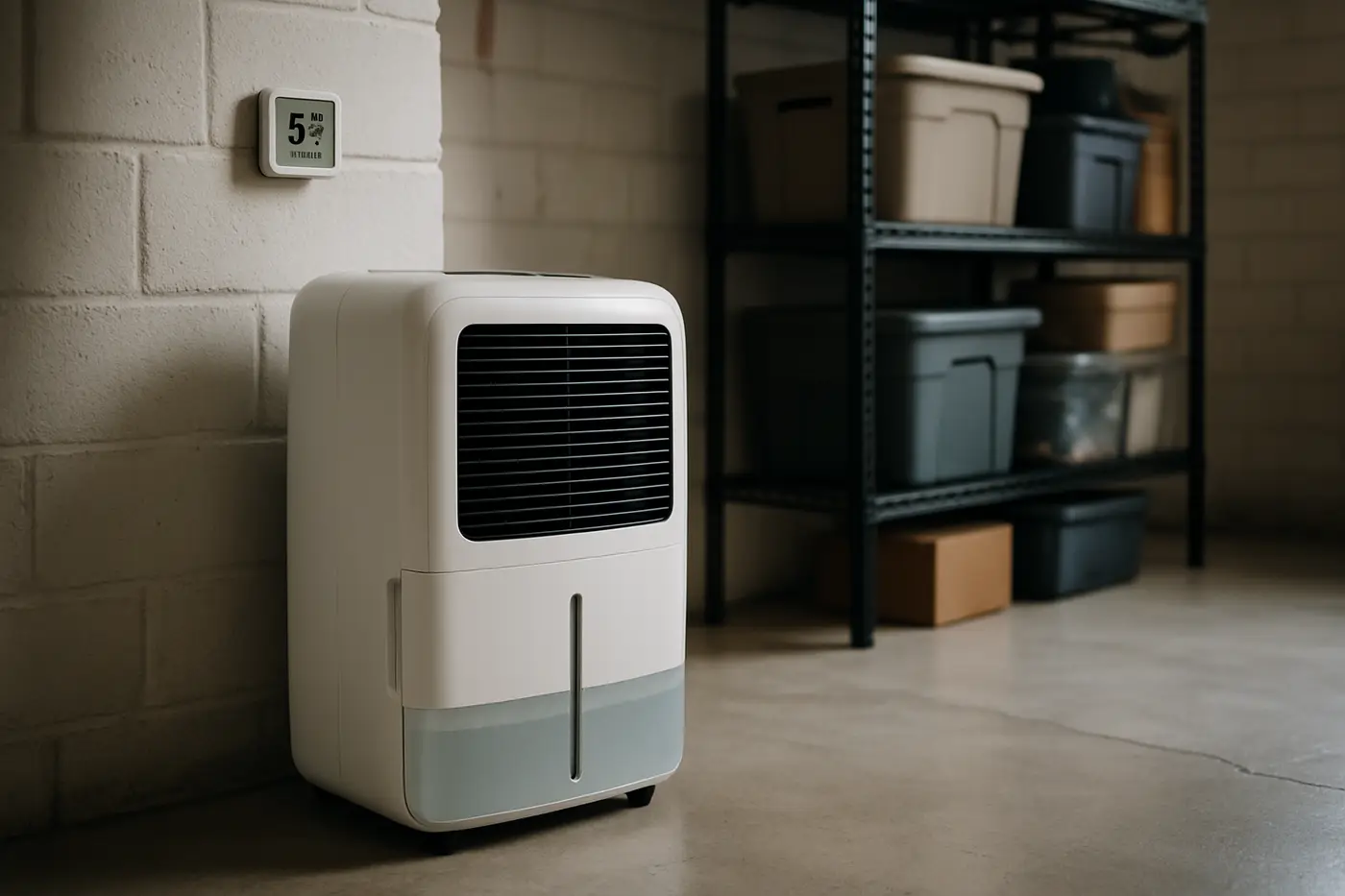
Philadelphia Summer Humidity: Keeping Mold Out Of Your Rowhome
July dew points of 65 to 75 degrees push a rowhome basement past 60 percent humidity for months. Humidity targets, dehumidifier sizing in pints per day, and when a musty smell means it is already growing.
Read Article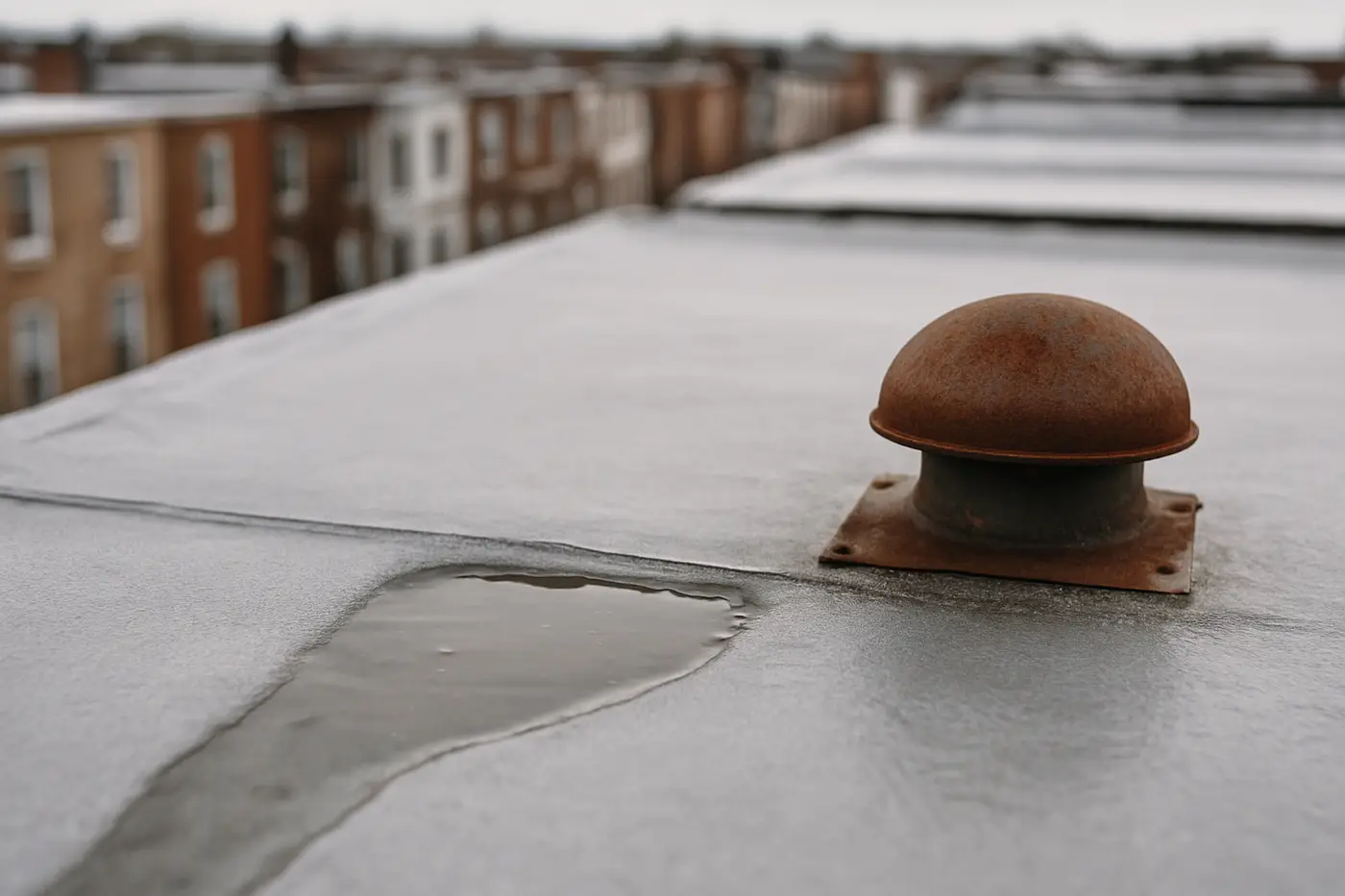
Prevention & Maintenance
Attic Mold In Philadelphia: Flat Roofs, Bath Fans And What To Fix First
Most attic mold in a Philadelphia rowhome traces to a flat-roof seam, a parapet, a clogged drain or a bath fan blowing into the attic. Fix the water first, then decide whether the sheathing needs remediation.
Read Article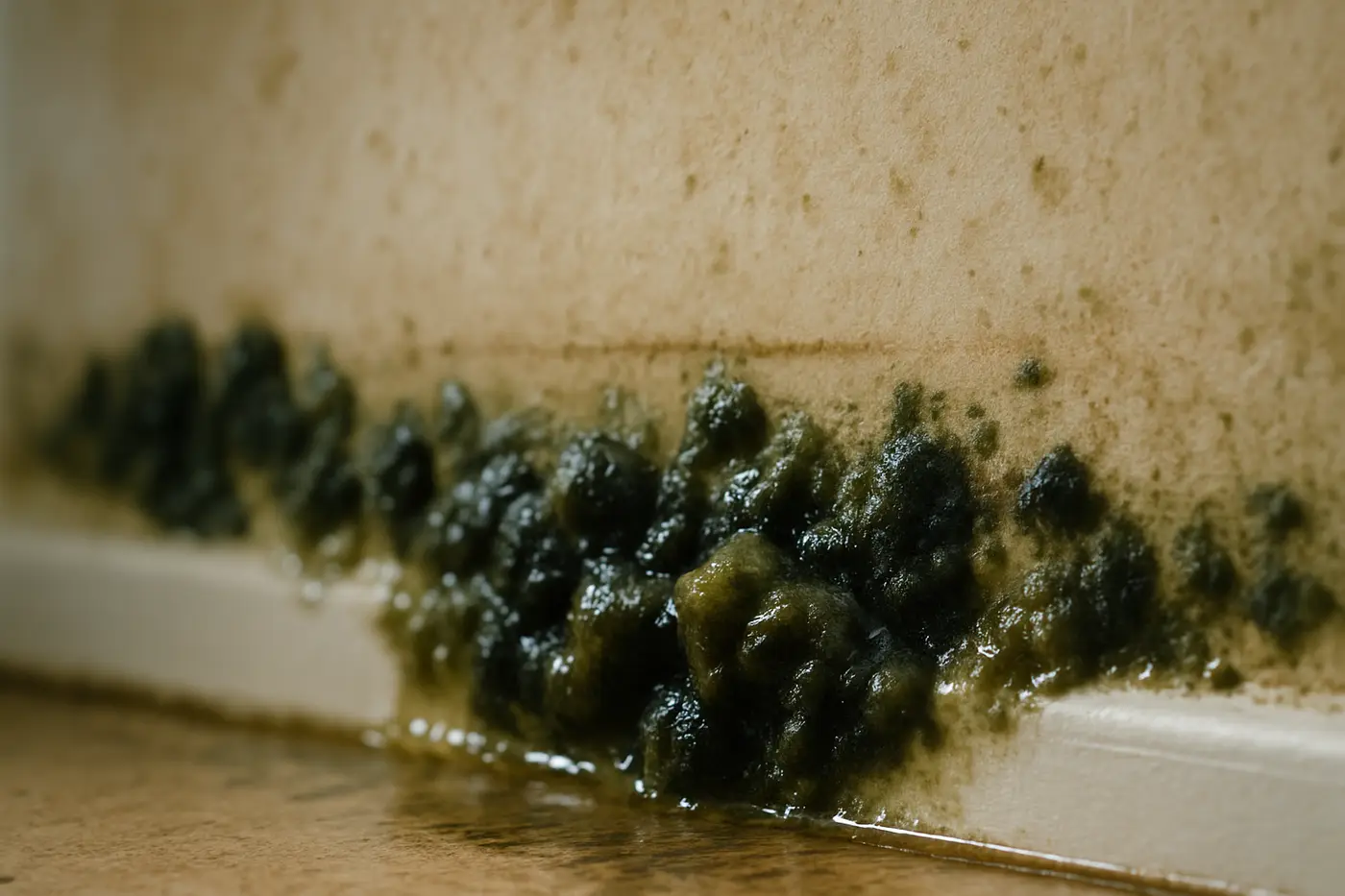
Health & Safety
Black Mold In Your Philadelphia Home: What It Is And What To Do Next
Black mold is any mold that looks black, and Stachybotrys is only one of them. What matters is that it is growing on wet material in your house. Here is what to do and what not to do next.
Read Article